
Paion — former municipality in Achaea, West Greece
Paion is a former municipal area in Achaea, West Greece. Small and largely rural, it was established after the Greek War of Independence, reformed under the Capodistrian Plan, and merged into Kalavryta in 2011.
Overview
Paion was a small municipal unit in the regional unit of Achaea, within the region of West Greece. Historically organized as an independent municipality, Paion comprised several villages and surrounding countryside. In modern administrative terms it ceased to be an independent municipality in 2011 when it was incorporated into the municipality of Kalavryta as part of a nationwide reorganization.
Image gallery
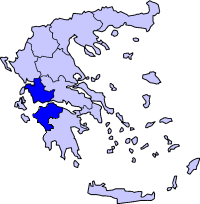
2 Images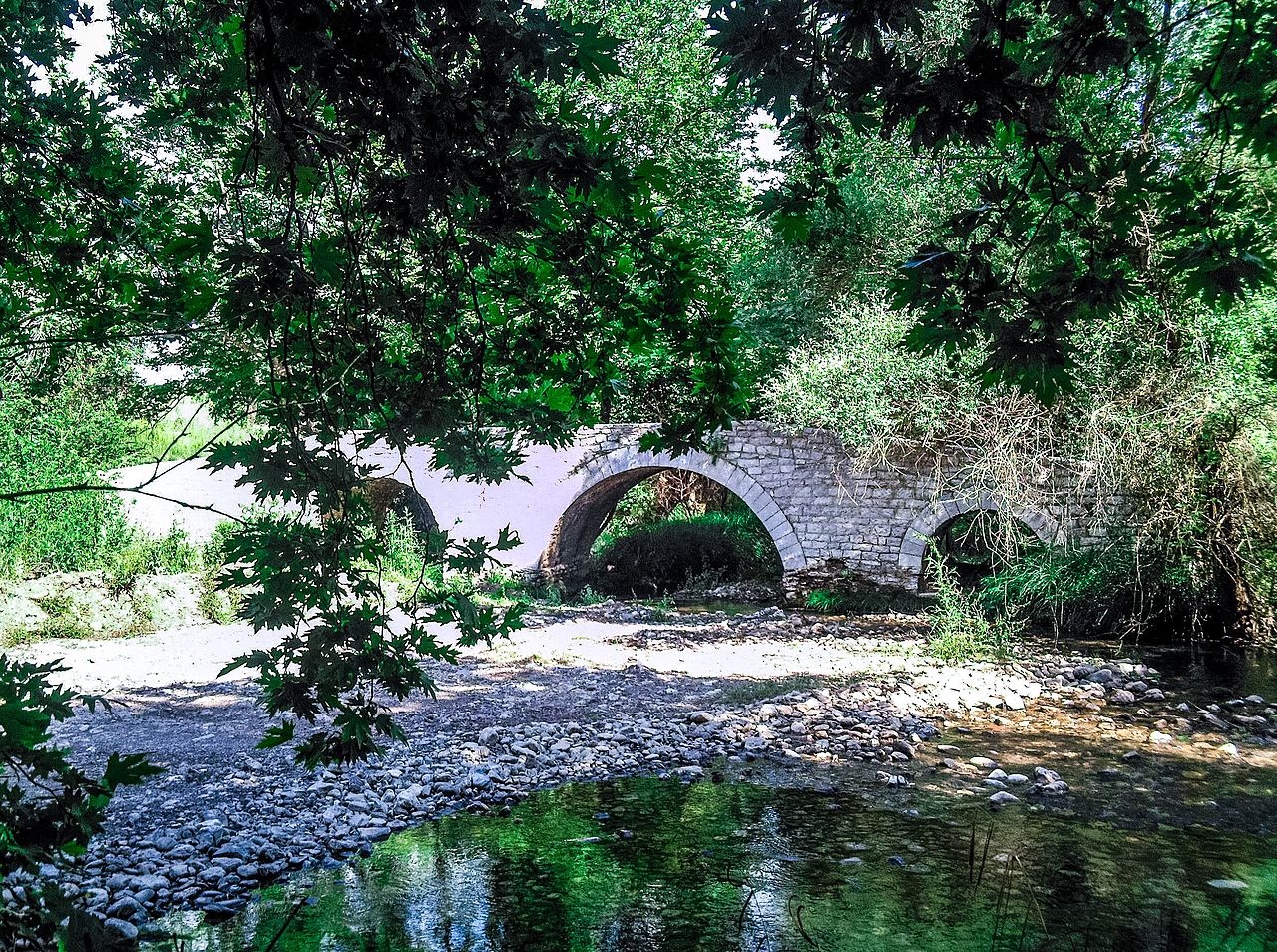
Characteristics
The area is characteristic of inland Achaea: predominantly rural, with hilly and often steep terrain, agricultural land, and small settlements rather than urban centers. Local economies in places like Paion are typically based on mixed farming, forestry and small-scale livestock raising, with some residents commuting to larger towns for work. According to official counts, the population of the municipality was 2,579 in 2001, reflecting the modest scale of the community.
Administrative history
- Origins: The modern municipal framework for many settlements in the region took shape after the Greek War of Independence (Greek War of Independence) when new local authorities were organized.
- Early 20th century: The original municipal arrangement was dissolved in 1912 amid national administrative reforms and further reorganizations followed through the century.
- Capodistrian Plan: Paion was recreated as a municipality during the late 1990s reforms known as the Capodistrian Plan, which consolidated many small communities into larger municipal entities.
- Kallikratis reform (2011): National restructuring under Kallikratis merged Paion into the larger municipality of Kalavryta, where it now functions as a municipal unit within that administration.
The Capodistrian and Kallikratis reforms were part of a broader effort to streamline local government in Greece, concentrating administrative functions and services in larger municipalities to improve efficiency.
Local governance in Paion historically included responsibility for basic services such as primary roads, waste collection, small schools, and cultural activities. As a municipal unit today, these functions are managed in coordination with the Kalavryta municipal authority, which oversees budgeting, infrastructure projects and regional planning.
Cultural life in Paion reflected patterns common to rural Achaea: local religious festivals, community gatherings around parish churches, and traditions linked to seasonal agricultural cycles. Like many inland Greek localities, it faces demographic challenges such as aging populations and youth migration to cities, balanced by continuity in local traditions and an interest in preserving rural heritage.
Paion's significance is therefore both administrative and cultural: it illustrates the evolving structure of local government in Greece and the character of small rural communities within the mountainous and hilly interior of the Achaea region. For visitors and researchers, such municipal units offer insight into local history, rural livelihoods and the effects of national reforms on everyday life in the Greek countryside.
Further administrative and historical details can be explored via regional records and municipal resources held by Kalavryta and by broader studies of Achaea and West Greece available through regional archives and academic publications.
Questions and answers
Q: Where is Paion located?
A: Paion is located in Achaea, West Greece, Greece.
Q: How many people lived in Paion in 2001?
A: In 2001, there were 2,579 people living in Paion.
Q: When was the municipality of Paion formed and when did it end?
A: The municipality of Paion was formed after the Greek War of Independence and ended in 1912.
Q: When was Paion recreated as a municipality?
A: Paion was recreated as a municipality in 1998 under the Capodistrian Plan.
Q: What is the current status of Paion?
A: Since 2011, Paion has been a part of the municipality Kalavryta.
Q: Why was Paion recreated as a municipality?
A: Paion was recreated as a municipality under the Capodistrian Plan.
Q: What changes occurred in Paion in 2011?
A: In 2011, Paion became a part of the municipality Kalavryta.
Related articles
Author
AlegsaOnline.com Paion — former municipality in Achaea, West Greece Leandro Alegsa
URL: https://en.alegsaonline.com/art/74038
Sources
- statistics.gr : "(875 KB) 2001 Census"
- kedke.gr : Kallikratis law