
Pajala Municipality
Pajala Municipality in Norrbotten County, northern Sweden, is a large, sparsely populated area shaped by Tornedalen culture, Meänkieli and Sami presence, forestry, reindeer herding and subarctic nature.
Pajala Municipality (Swedish: Pajala kommun) is a municipality (municipality) in Norrbotten County in northern Sweden. The administrative centre and largest locality is Pajala. The municipality covers a large area of boreal forest, wetlands and upland terrain typical of the subarctic north and is among Sweden's more sparsely populated local government areas.
Image gallery
3 Images

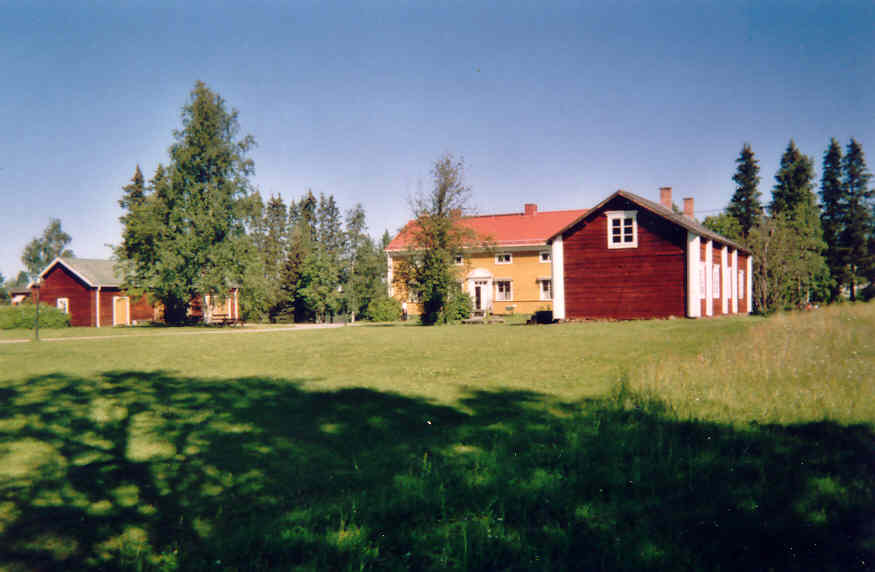
Geography and environment
The landscape is dominated by taiga forest, river valleys and fragmented wetlands. Winters are long and cold and summers are short with extended daylight; the latitude also brings frequent displays of the aurora borealis in clear conditions. Vegetation is typical of northern Scandinavia with coniferous stands, mixed birch areas and open mires in low-lying parts.
History and population
Pajala lies within the historic Tornedalen area, long shaped by cross-border contacts, seasonal trade and mixed language communities. Populations are small and often dispersed in villages and homesteads; like many northern municipalities, Pajala faces demographic challenges such as out-migration of younger people and an aging population, alongside efforts to preserve local livelihoods.
Economy and transport
The local economy is based largely on natural resources and services for residents. Key activities include forestry and wood processing, reindeer herding connected to Sami cultural and economic traditions, and local mineral exploration or small-scale mining in certain areas. Tourism focused on wilderness experiences, northern lights viewing and cultural tourism has gained importance as a supplement to traditional sectors. Transport links are limited by distance and terrain, so road and rail connections and local services are important for accessibility.
Culture and language
Cultural life reflects Tornedalen heritage: Meänkieli (a Finnish-related language) and Swedish coexist locally, and Sami languages and culture are present in reindeer-herding communities. Meänkieli is recognized as one of Sweden's national minority languages, and bilingual signage and education are part of local cultural policy in some places. Cultural traditions, local crafts and storytelling remain important to community identity.
Administration, services and outlook
Municipal authorities are responsible for schooling, social care, land use planning and local infrastructure across a geographically large territory. Challenges include delivering services across long distances and creating economic opportunities to retain residents. Opportunities include development of nature-based tourism, sustainable resource management and cultural initiatives that highlight the unique Tornedalen and Sami heritage.
Related articles
Author
AlegsaOnline.com Pajala Municipality Leandro Alegsa
URL: https://en.alegsaonline.com/art/74045
Sources
- scb.se : "Statistiska centralbyrån den 1 januari 2010"
- scb.se : "SCB, Befolkningsstatistik 30 juni 2012"