
Pablo Honey (Radiohead album)
Debut studio album by English alternative rock band Radiohead, released April 1993. Features the breakout single "Creep"; reached No. 22 on UK charts and was reissued in 2009 with extra material.
Overview
Radiohead's debut studio album, Pablo Honey, was released in April 1993. The record introduced the band's early sound to a wide audience and contained their first international hit, "Creep", which was initially issued in 1992 and then reissued in 1993 to greater success. The album established Radiohead as part of the early 1990s alternative scene and remains notable as the starting point of their recording career.
Image gallery
3 Images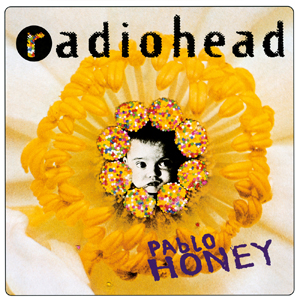


Musical character and themes
The album features a guitar-driven style rooted in alternative rock with echoes of grunge and college rock popular at the time. Songs often center on themes of alienation, insecurity and awkward personal encounters, expressed through direct lyrics and dynamic shifts between quiet verses and loud choruses. The production and arrangements are relatively straightforward compared with the band's later experimental work.
Key tracks and singles
Three singles were promoted from the album; the most famous is "Creep", which became an international anthem for outsider feeling after its reissue. Other singles supported the record and helped it reach a broader audience. Notable tracks on the album include:
- Creep — the breakthrough single that brought global attention to the band
- Several other album tracks that show the group's developing songwriting and guitar-based arrangements
Release, reception and chart performance
Upon release the album received a mixed critical response: some reviewers praised the songwriting and intensity of certain tracks, while others found the record uneven. Commercially, Pablo Honey reached No. 22 on the UK albums chart, helped largely by the popularity of "Creep". The single's delayed success is a common example of how a reissued track can change a band's fortunes.
Legacy and reissues
Although later Radiohead albums steered toward more experimental and diverse approaches, Pablo Honey is often revisited for its raw energy and historical role in the band's development. A significant reissue in 2009 included an extra disc of demos and live recordings, offering insight into the band's early studio work and live sound. Fans and scholars frequently compare this debut with the band's later output to trace their artistic evolution.
Further context
The album and the band are commonly discussed within the broader alternative rock movement of the early 1990s. As Radiohead's public profile grew, listeners and critics re-evaluated the record both as a product of its time and as a document of a group on the cusp of major stylistic change.
Related articles
Author
AlegsaOnline.com Pablo Honey (Radiohead album) Leandro Alegsa
URL: https://en.alegsaonline.com/art/73891
Sources
- allmusic.com : "Pablo Honey"