
Ouahigouya: regional capital and market city in northern Burkina Faso
Ouahigouya is a regional city in northern Burkina Faso, administrative centre of Yatenga Province, with a notable market economy, Mossi cultural heritage, and a 2006 census population of about 71,000.
Overview
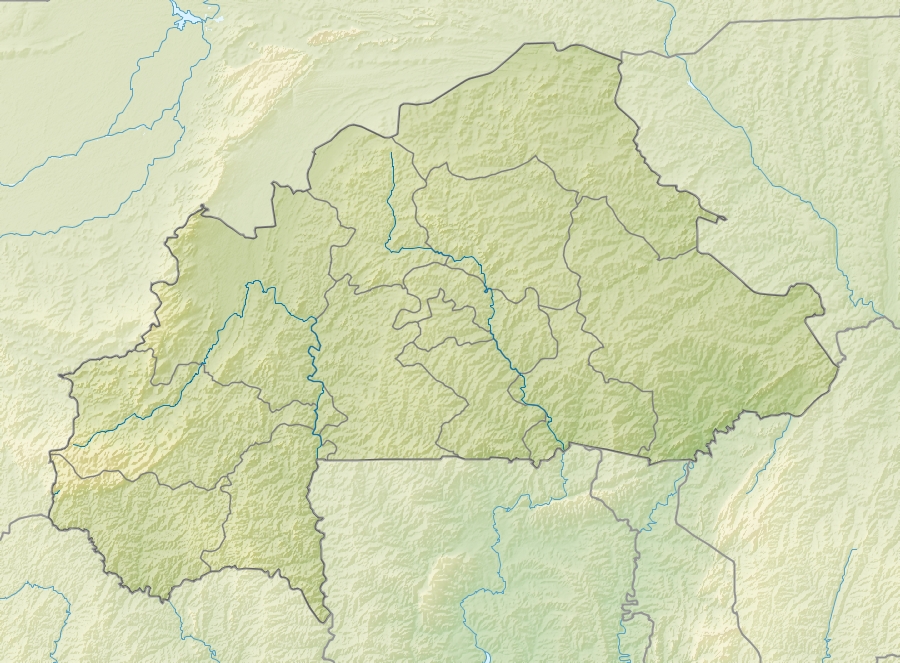
Ouahigouya is a principal town in northern Burkina Faso. It serves as an administrative and commercial centre for the surrounding province and region. The city functions as a local hub for government services, markets and regional trade, and is commonly identified with the cultural area of the Mossi peoples who dominate much of central and northern Burkina Faso.
Image gallery
3 Images
Population
According to a national count, a 2006 census recorded 70,957 residents in the city. That count reported that 70,957 people lived there, with 35,017 recorded as male and 35,940 recorded as female. The figures give a snapshot of mid-2000s demographics; more recent estimates generally indicate gradual growth driven by local migration and natural increase.
Geography and climate
Ouahigouya lies on the northern plains of Burkina Faso and experiences a Sahelian climate: a distinct rainy season and a longer dry season with hot temperatures. The terrain around the town is characterized by open savanna, cultivated fields and areas used for grazing livestock. Water provision and seasonal agriculture are important factors for daily life and the local economy.
History and culture
The town emerged within the historical sphere of the Mossi kingdoms and retains cultural ties to that heritage. Local languages such as Moore are widely spoken alongside French, the national administrative language. Traditional festivals, communal markets and craft traditions remain important social features, and religious practices include Islam, Christianity and indigenous beliefs.
Economy and services
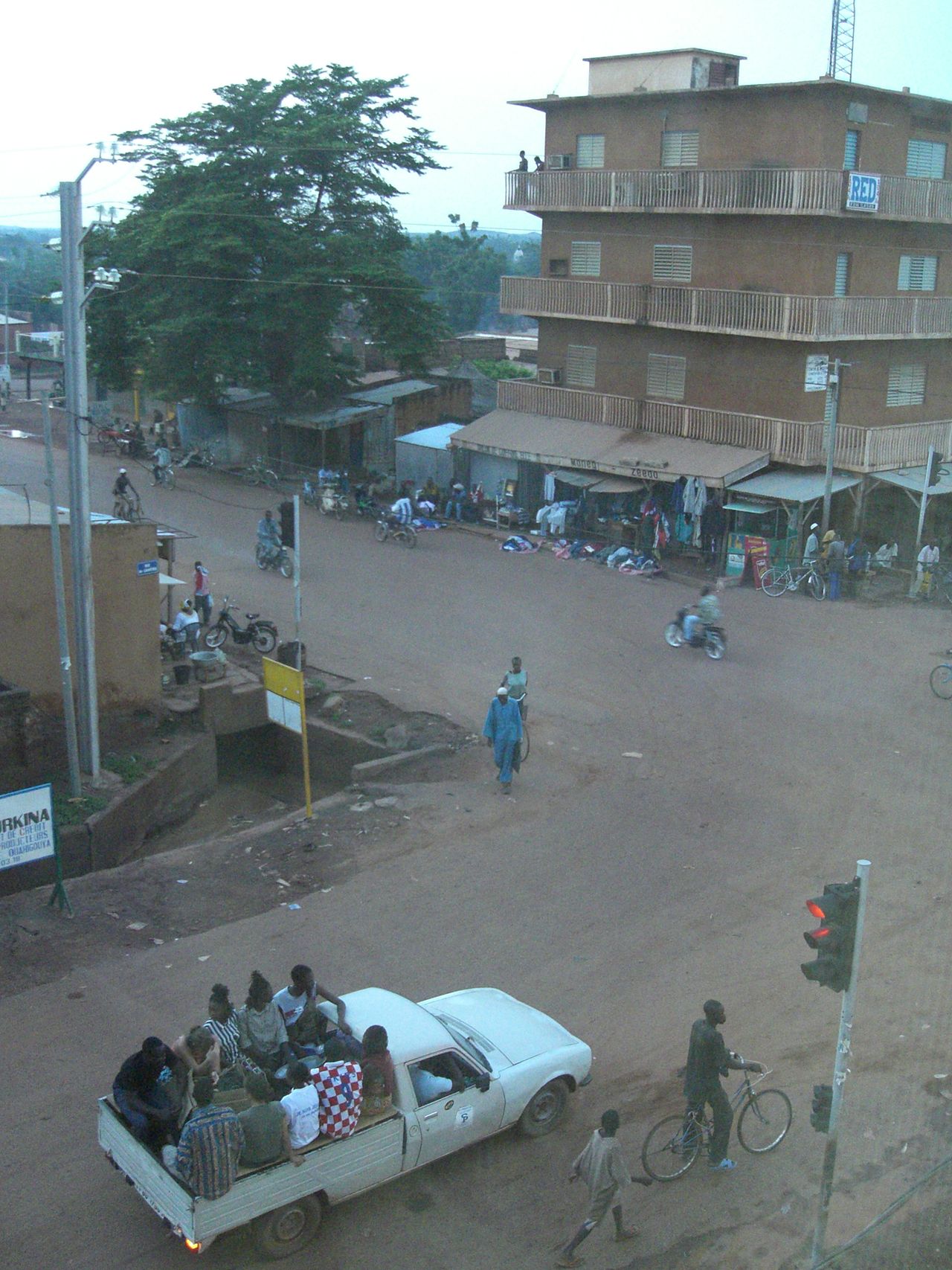
Ouahigouya functions as a market town and service centre for nearby rural areas. Its economy combines subsistence and commercial agriculture, livestock rearing, artisanal crafts and small-scale trade. Key public services include municipal administration, secondary education institutions and health clinics that serve both town residents and people from surrounding villages.
Transport, administration and notable facts
The town is connected by regional roads to other urban centres and to the national road network, enabling the flow of goods and passengers. As a provincial capital it houses local government offices and is a focal point for regional planning. Notable aspects include its role as a commercial market centre, its cultural importance within the Mossi area, and its demographic position in the country during the early 21st century.
- Administrative centre for the surrounding province and region.
- Market and trading hub for agricultural and pastoral products.
- Cultural links to the Mossi kingdoms and traditions.
Related articles
Author
AlegsaOnline.com Ouahigouya: regional capital and market city in northern Burkina Faso Leandro Alegsa
URL: https://en.alegsaonline.com/art/73574
Sources
- world-gazetteer.com : "World Gazetteer"
- insd.bf : "Burkina Faso Census 2006"
- osac.gov : "OSAC - Warden Message: Ouahigouya (Burkina Faso) Kidnapping Threat"