
Oscoda County, Michigan: Overview, Geography and Recreation
A rural county in northeastern Lower Michigan noted for forests, the Au Sable River, outdoor recreation and the county seat Mio. Population recorded as 8,640 in the 2010 census.
Overview
Oscoda County is a sparsely populated county in the northeastern portion of the Lower Peninsula of the state of Michigan. It is characterized by large tracts of public forest land, lakes and streams, and a small number of towns and settlements. The county seat is Mio, a community linked here for reference: Mio. According to the 2010 census, the county had 8,640 residents, reflecting a low population density typical of many interior northern Michigan counties.
Image gallery
3 Images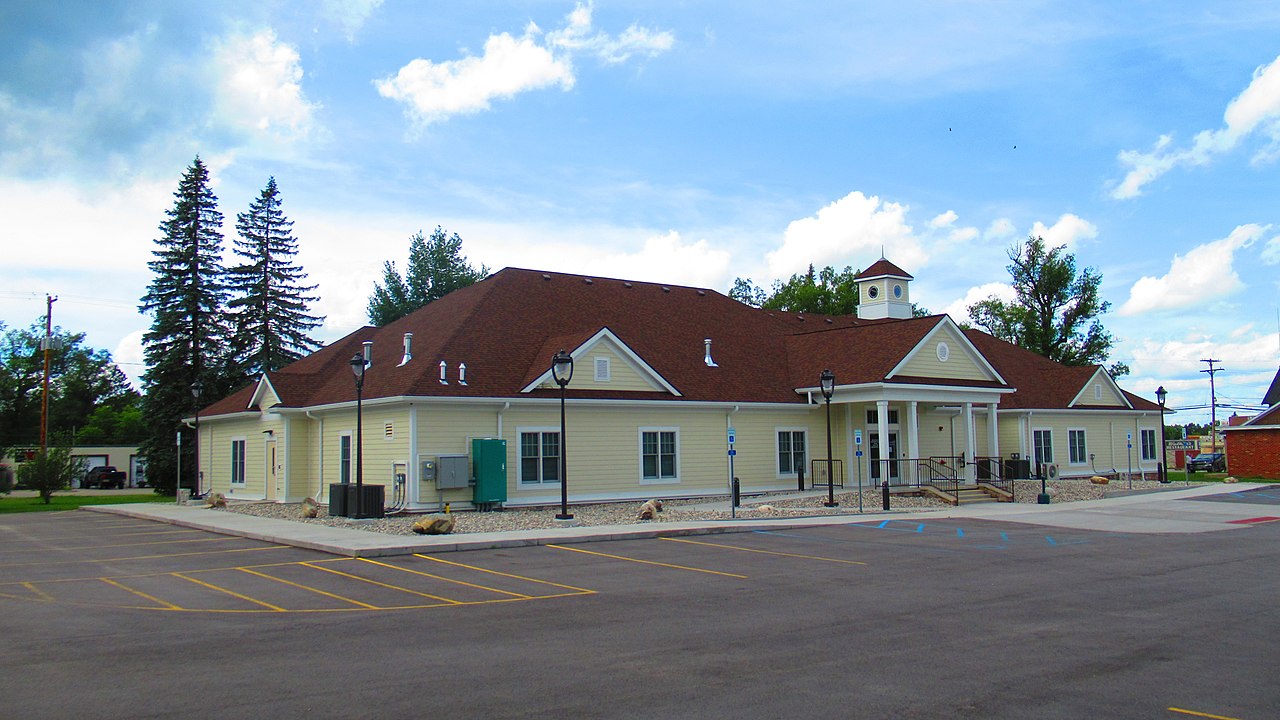


Geography and natural features
Oscoda County contains extensive forested areas and waterways that support hunting, fishing and boating. The Au Sable River, a nationally recognized trout stream and paddling route, crosses or borders parts of the county and is a focal point for outdoor recreation. Large public forest tracts—managed for multiple uses—make the landscape primarily rural and wooded, with scattered lakes and wetlands.
History and name
The county’s European-American organization occurred in the later 19th century as logging and settlement expanded across northern Michigan. The name "Oscoda" is widely reported to derive from a Native American term; accounts vary, and local histories often note it as a Native-based place name adopted by settlers. The county developed around timber, small-scale agriculture and services for residents and visitors.
Economy, recreation and communities
Modern economic activity emphasizes forestry, small businesses, seasonal tourism and outdoor recreation. Popular pursuits include trout fishing, canoeing on the Au Sable River, snowmobiling in winter, and hiking. Typical attractions and services are concentrated in and near the county seat, but many visitors are drawn to dispersed public lands for camping and wildlife viewing.
At a glance
- Rural, low-density county with extensive public forests and waterways.
- Outdoor recreation—fishing, paddling, hunting, snowmobiling—is a major draw.
- County seat: Mio (county seat reference).
- Population: 8,640 as of the 2010 census.
For maps, local services and detailed visitor information, consult county guides and recreation agencies that cover northern Michigan and national forest lands.
Related articles
Author
AlegsaOnline.com Oscoda County, Michigan: Overview, Geography and Recreation Leandro Alegsa
URL: https://en.alegsaonline.com/art/73363