
Orinoco River: Geography, Ecology and Human Uses
Explore the Orinoco River of northern South America — its 2,140 km course, 880,000 km² basin, unique ecosystems and endangered species, and its role in transport, fishing and local livelihoods.
The Orinoco is a major river in northern South America. Covering a course of about 2,140 kilometres (1,330 miles), it ranks among the longest rivers on the continent.
Image gallery
9 Images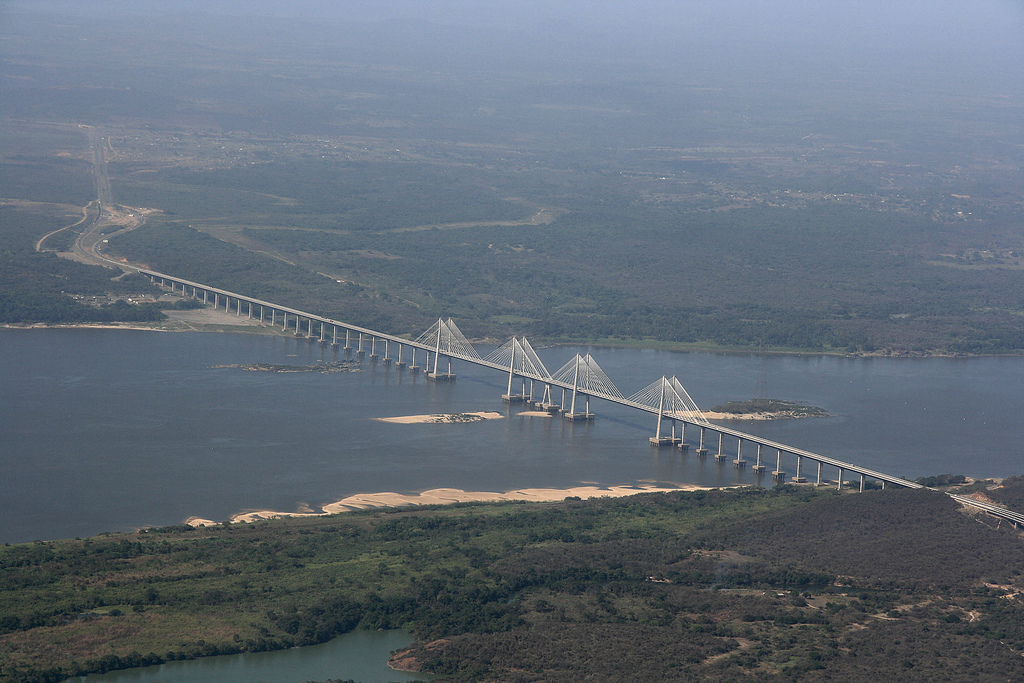



Drainage and course
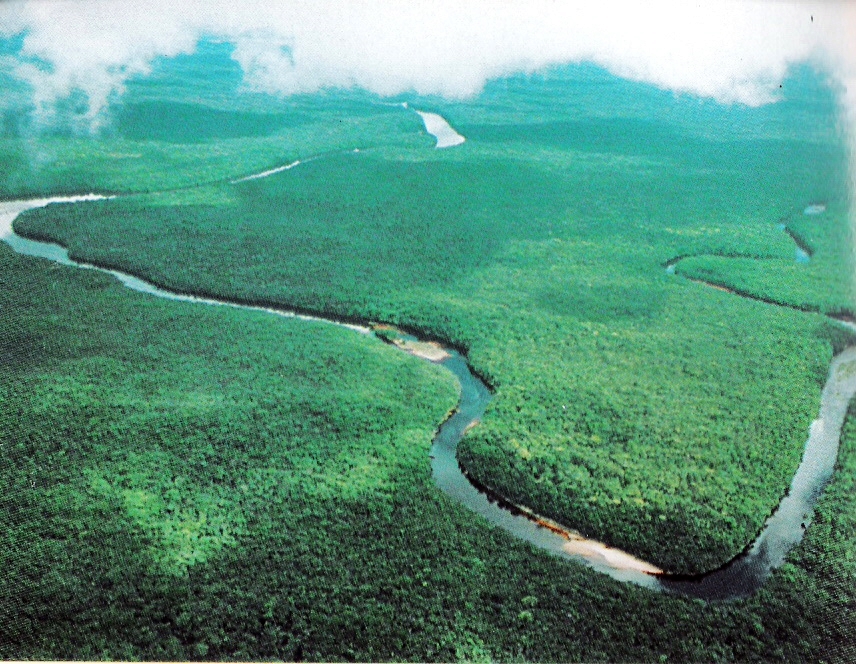
The river drains a large region often called the Orinoquia. Its drainage basin extends over approximately 880,000 square kilometres (340,000 square miles). About 76.3% of this basin lies inside Venezuela while the remainder is in Colombia.
The Orinoco and its network of tributaries form the principal waterway system for eastern and inland areas of Venezuela and for the vast grassy plains known as the llanos in Colombia, carrying people and goods where roads are scarce.
Ecological significance
The Orinoco Basin supports a wide variety of ecosystems, from flooded forests to savannas, and sustains many species found nowhere else. It is the only habitat of the Orinoco crocodile, a critically endangered reptile with wild population estimates below 250 individuals. The basin is also inhabited by freshwater cetaceans such as Amazon river dolphins and numerous fish, bird and plant species important for regional biodiversity.
- Notable species: Orinoco crocodile (critically endangered), Amazon river dolphins
- Human uses: river transport, fishing, and local livelihoods across the basin
Questions and answers
Q: Where is the Orinoco River located?
A: The Orinoco River is located in northern South America.
Q: How long is the Orinoco River?
A: The Orinoco River is 2,140 kilometres (1,330 miles) long.
Q: What area does the drainage basin of the Orinoco cover?
A: The drainage basin of the Orinoco, sometimes called the Orinoquia, covers 880,000 square kilometres (340,000 square miles).
Q: What percentage of the drainage basin lies in Venezuela and Colombia respectively?
A: 76.3% of it lies in Venezuela and 23.7% lies in Colombia.
Q: What makes the Orinoco Basin ecologically important?
A: The Orinoco Basin is ecologically important because it is home to rare species such as the Orinoco crocodile and Amazon river dolphins.
Q: How many wild orinoco crocodiles are estimated to exist?
A: There are fewer than 250 wild orinoco crocodiles estimated to exist.
Q: What type of transport system does this river provide for eastern and interior Venezuela and Colombia's llanos region?
A:The Orinco and its tributaries are main transport system for eastern and interior Venezuela and Colombia's llanos region.
Related articles
Author
AlegsaOnline.com Orinoco River: Geography, Ecology and Human Uses Leandro Alegsa
URL: https://en.alegsaonline.com/art/73153