
Oromia Region, Ethiopia
Oromia is Ethiopia's largest regional state by population and area, the traditional homeland of the Oromo people, surrounding the federal capital Addis Ababa (Finfinne) and notable for its language, culture and agriculture.
The Oromia Region occupies a vast portion of central and southern Ethiopia. It is the traditional homeland of the Oromo people and is commonly described as the country's largest regional state both in population (approximately 35 million, estimates vary) and by land area. The region largely encircles Ethiopia's federal capital, Addis Ababa (known in Oromo as Finfinne), although Addis Ababa itself is administered as a separate federal city.
Image gallery
10 Images


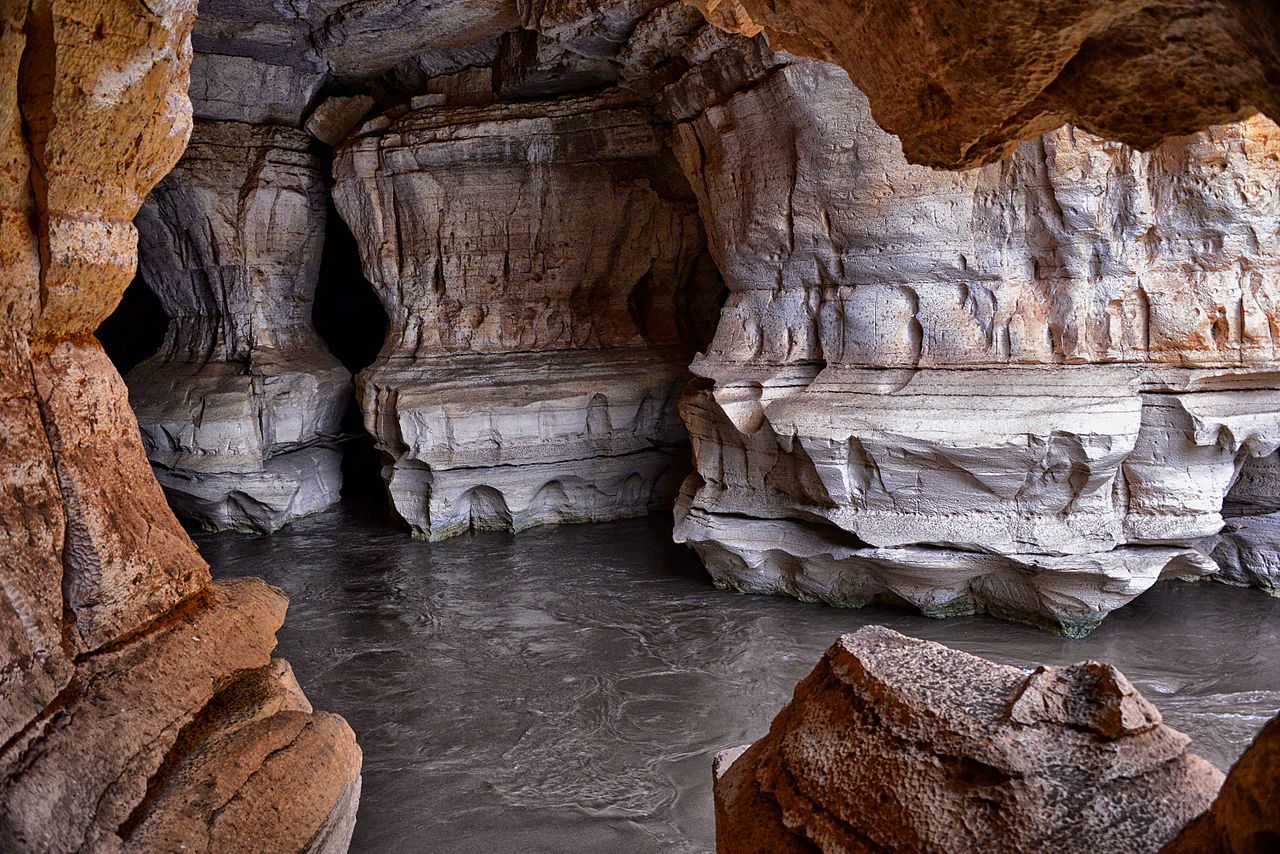
Geography and population
Oromia spans diverse landscapes: highland plateaus, parts of the Great Rift Valley, forested hills and lowland plains. Climatic zones range from cool highlands to hot lowlands, supporting a wide variety of agriculture and wildlife. Major urban centres within the region include Adama (Nazret), Jimma, Nekemte, Shashemene and Bishoftu (Debre Zeyit). The population is predominantly Oromo, speaking Afaan Oromo (Oromo language), and religious affiliations include Islam, Ethiopian Orthodox Christianity, Protestant Christianity and traditional beliefs.
History and governance
The modern administrative region was formed after Ethiopia's 1995 constitution, which organized the country into ethnically based regional states. Oromia plays a significant role in national politics because of its size, demographic weight and economic importance. The Oromo people have a long history in the Horn of Africa; social structures such as the Gadaa system—a traditional democratic governance system—remain an important cultural reference and have received international recognition.
Economy and cultural importance
Agriculture is the backbone of Oromia's economy: cereal crops, coffee (originating from forest areas in the southwest), livestock and horticulture are staple activities. Coffee from regions such as Jimma has been important to Ethiopia's export economy. Parts of Oromia include protected areas and highland parks that attract tourism and support biodiversity.
Notable facts and distinctions
- Largest regional state of Ethiopia by population and area.
- Home of the Oromo, Ethiopia's largest ethnic group and speakers of Afaan Oromo.
- Holds important cultural institutions like the Gadaa system, recognized internationally for its heritage value.
- Surrounds the national capital, linking rural agricultural zones with major urban markets.
For further regional information and administrative details, readers can consult official regional resources or general references on Ethiopian federal structure and ethnolinguistic groups.
Related articles
Author
AlegsaOnline.com Oromia Region, Ethiopia Leandro Alegsa
URL: https://en.alegsaonline.com/art/73224
Sources
- csa.gov.et : 2011 National Statistics
- citypopulation.de : Oromia Region population statistics
- commons.wikimedia.org : Oromia Region
- wikidata.org : wikidata.org/wiki/Q202107
- musicbrainz.org : 75a0d079-4d6b-44bb-9386-82718fabeec3
- tools.wmflabs.org : 7°59′21″N 39°22′52″E / 7.9890616°N 39.3811798°E / 7.9890616; 39.3811798