
Ooty (Udhagamandalam): hill station in the Nilgiris
Ooty, officially Udhagamandalam, is a hill station in Tamil Nadu’s Nilgiri Hills known for cool climate, tea estates, the Nilgiri Mountain Railway and botanical gardens; a popular tourist and conservation area.
Ooty, formally called Udhagamandalam and commonly abbreviated from Ootacamund, is a well-known hill station in the Nilgiris (the Blue Mountains) of the Indian state of Tamil Nadu. Perched at about 7,500 feet above sea level, it serves as a regional administrative centre and one of southern India’s most visited mountain towns. The town’s name, setting and cooler climate distinguish it from the surrounding lowland plains.
Image gallery
10 Images





Landscape and climate
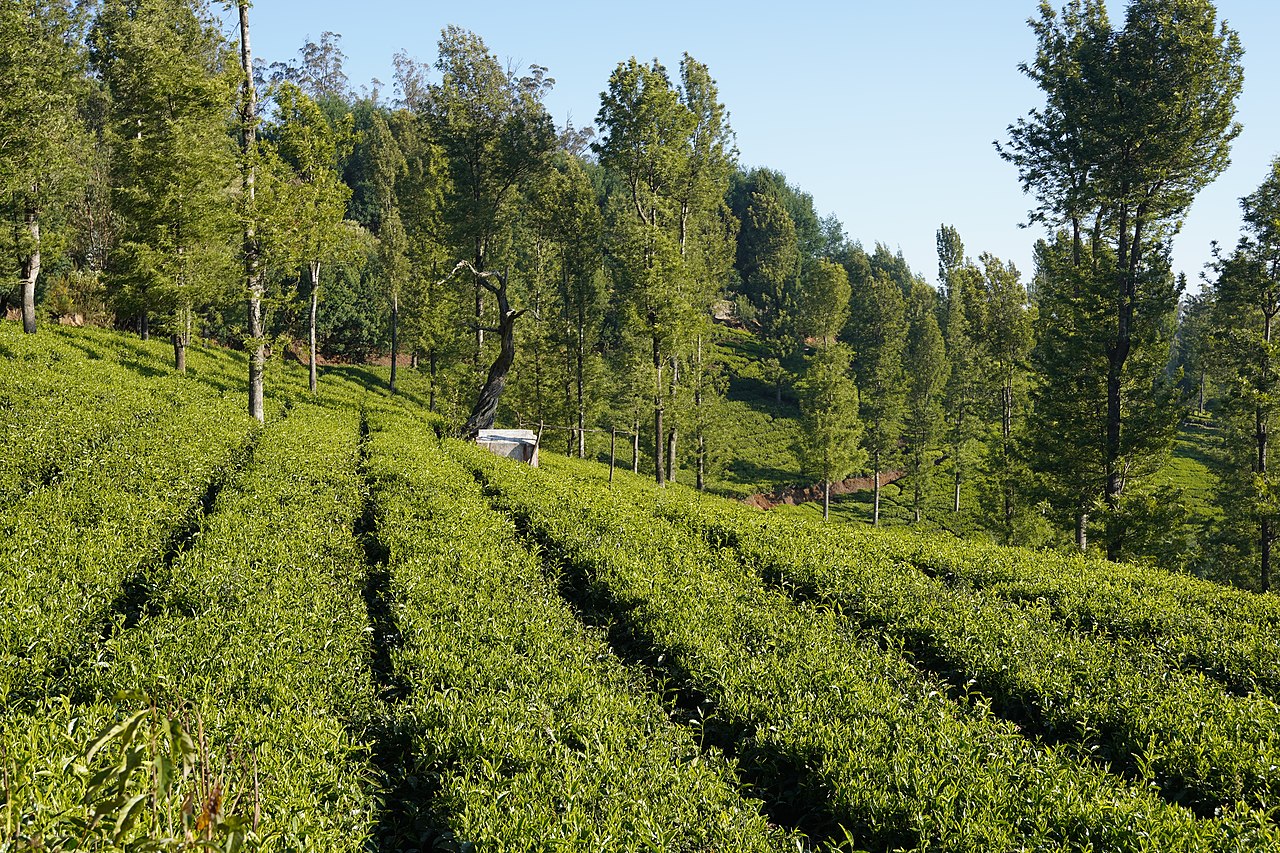
Ooty occupies undulating terrain of highland plateaus, ridges and valleys. Vegetation includes mixed montane forests, locally called sholas, and extensive plantations of tea, eucalyptus and subtropical horticulture. The climate is mild to cool compared with the plains: mornings and evenings are often misty, while daytime temperatures remain comfortable for much of the year. This climate, together with scenic views, makes Ooty attractive for recreation and nature study.
History and development
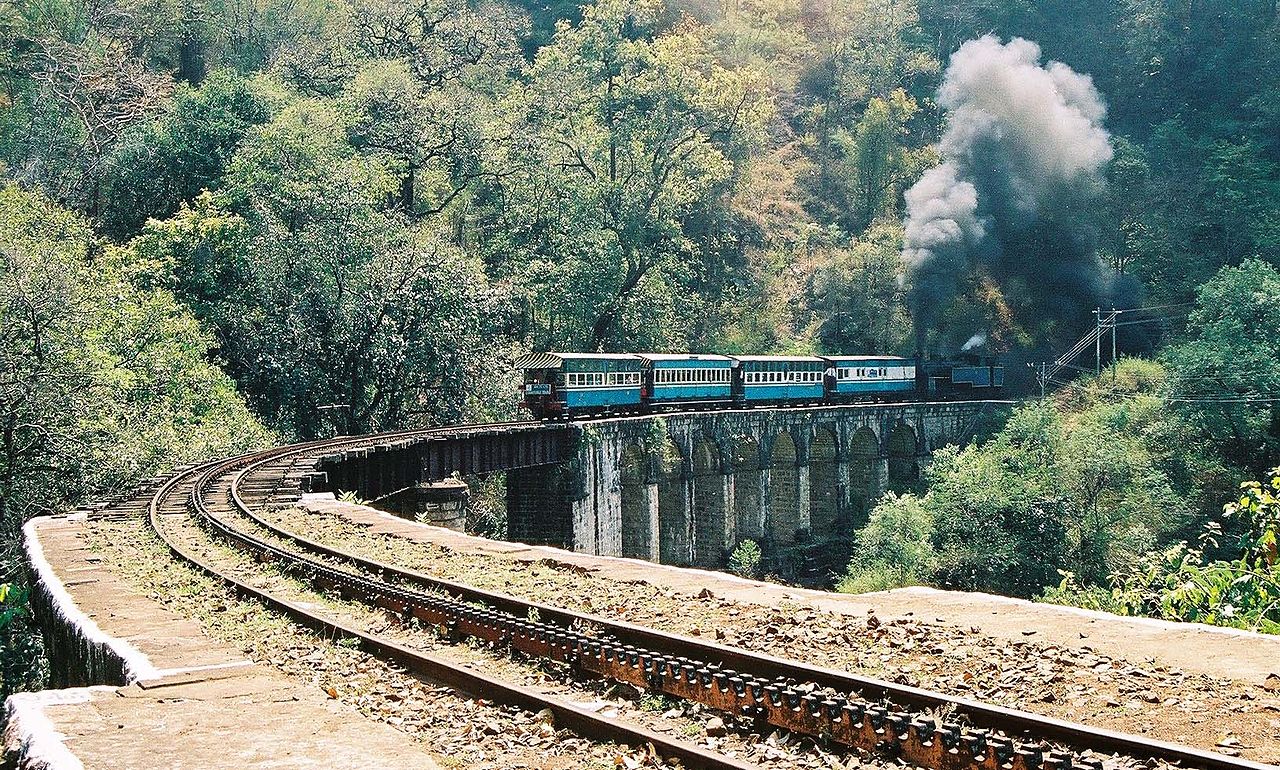
The area around Ooty has long been inhabited by indigenous hill peoples and, later, by settlers who cultivated spices and tea. During the 19th century the place developed into a hill station and summer retreat under British colonial administration. Infrastructure such as roads, public gardens and guesthouses expanded with tourism and plantation agriculture. The Nilgiri Mountain Railway, a historic mountain railway line, connected Ooty with the plains and remains a notable engineering landmark.
Attractions, economy and conservation
Tourism and plantation agriculture are central to Ooty’s economy. Visitors are drawn by formal gardens, viewpoints and cultural sites, while the surrounding hills support tea estates, fruit orchards and vegetable cultivation. Important local attractions commonly mentioned by visitors include the government botanical gardens, a scenic reservoir and boating areas, the Toy Train of the Nilgiri Mountain Railway, and nearby high peaks and nature reserves popular for short treks.
- Garden and parks: curated botanical collections and flower displays.
- Railway: the mountain railway offers scenic rides and heritage interest.
- Peaks and viewpoints: accessible summits provide panoramic views.
- Plantations: tea gardens and small-scale horticulture shape the landscape.
Notable facts and practical notes
Ooty functions both as a tourist destination and as an administrative centre for the Nilgiris district. Its heritage features and biodiversity attract researchers and visitors, but the area also faces modern pressures such as seasonal overcrowding, land-use change and the need for conservation of fragile montane ecosystems. Travelers usually reach Ooty by road, rail and the heritage hill railway; planning for weather and local transport is recommended during peak seasons.
Related articles
Author
AlegsaOnline.com Ooty (Udhagamandalam): hill station in the Nilgiris Leandro Alegsa
URL: https://en.alegsaonline.com/art/72725