
Onomatopoeia (words that imitate or suggest sounds)
Onomatopoeia: words that echo, imitate, or suggest sounds. Found in language, poetry, comics, and advertising; also related to ideophones and sound symbolism across languages.
Overview
Onomatopoeia refers to words that imitate, resemble, or evoke the sounds associated with the things they describe. Rather than being purely arbitrary signs, these words are created so that their pronunciation suggests a noise or action: a buzz, a hiss, a splash. Many languages use such words in everyday speech, and they appear widely in verse, narrative, advertising and comics because of their vivid, immediate effect.
Image gallery
4 Images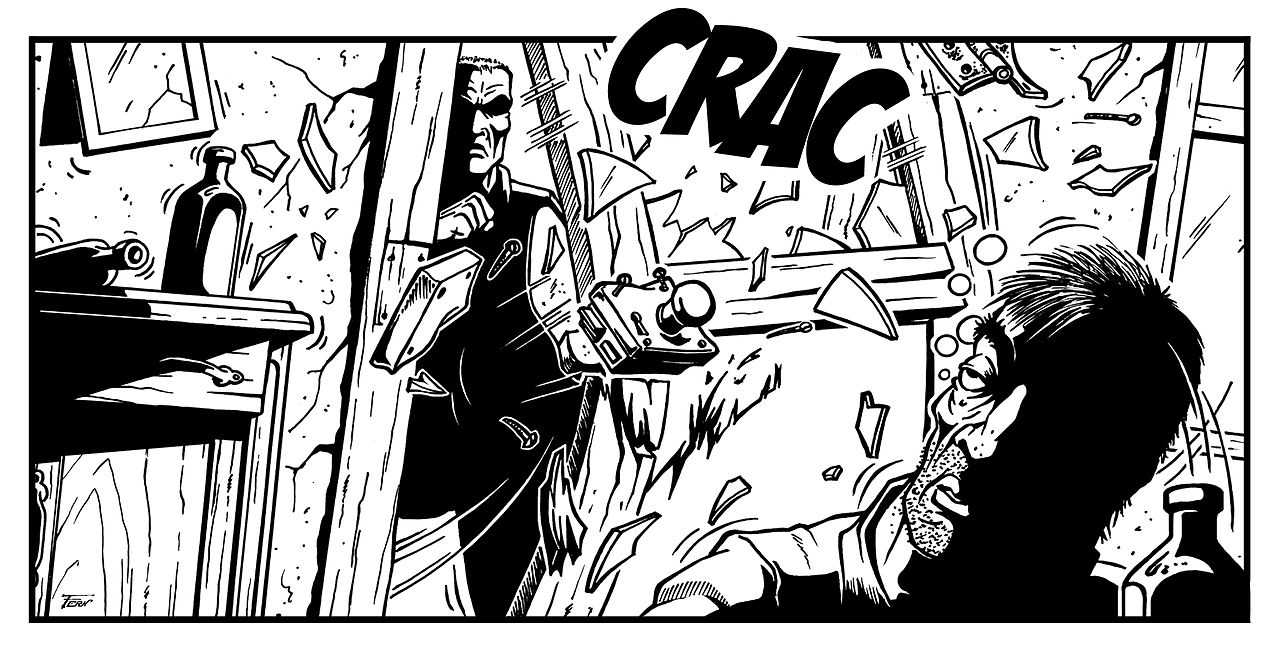


Characteristics
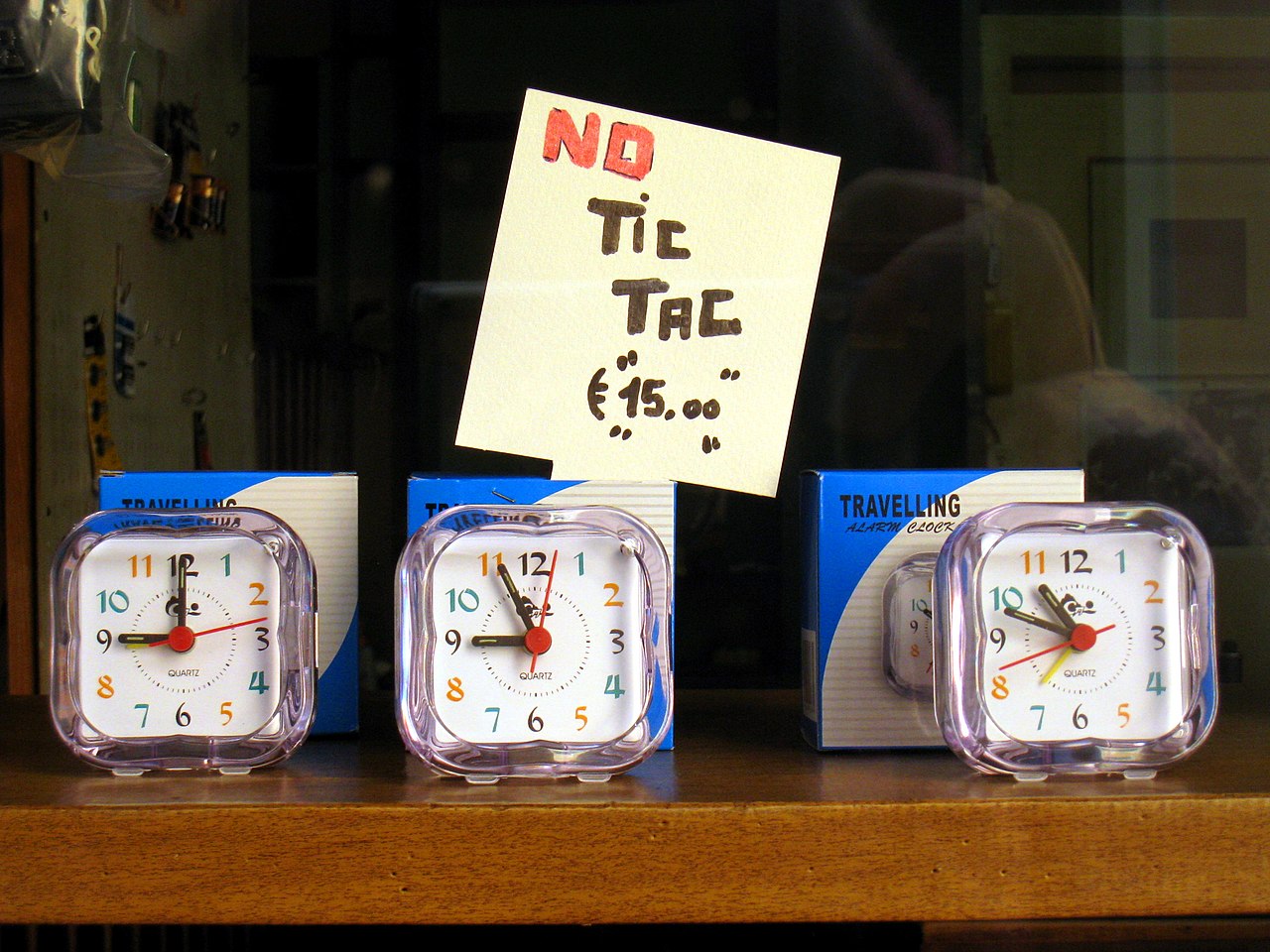
Onomatopoeic words often rely on consonant clusters, vowel length, pitch, or repetition to mimic a sound. They can be single words (meow), reduplicated forms (tick-tock), or phrases that capture temporal patterns (rat-a-tat). Their precise shape is shaped by the phonology of a language: the same natural event may be represented differently in different tongues because each language has distinct available sounds and prosodic patterns.
Examples
- Animals: meow (cat), cuckoo (bird), woof or bark (dog)
- Machines & objects: buzz (bee or electrical devices), zip (fast closing sound)
- Impact & motion: boom (explosion), crash (glass breaking), splash (water)
- Everyday items: zipper is named after the zipper sound
History and linguistic background
The term comes from Greek roots meaning "name" (onoma) and "to make" (poiein). Historically, poets and storytellers have used onomatopoeia to enrich imagery and make descriptions more sensory. Linguists study these words as part of a broader category called ideophones or sound-symbolic words, which convey sensory impressions beyond simple reference.
Uses and importance
Onomatopoeia is a practical tool in many fields. In literature and oral traditions it heightens realism and rhythm. Comics and graphic novels use it as bold, expressive lettering to indicate sounds visually. Advertisers and brand creators sometimes adopt or coin echoic names to make products more memorable. In child language learning, imitative words are often among the first produced because they link sound and meaning clearly.
Related terms and notable facts
Not all sound-related words are strictly onomatopoeic: sound symbolism covers broader associations between sound patterns and meanings (e.g., smallness or largeness suggested by particular vowels). Furthermore, the same event may inspire very different onomatopoeias across languages, reflecting cultural and phonetic differences rather than objective acoustics. While vivid and widespread, onomatopoeia is one of many ways languages express sensory experience.
Related articles
Author
AlegsaOnline.com Onomatopoeia (words that imitate or suggest sounds) Leandro Alegsa
URL: https://en.alegsaonline.com/art/72658