
Cuckoo (Cuculidae): overview, behavior and brood parasitism
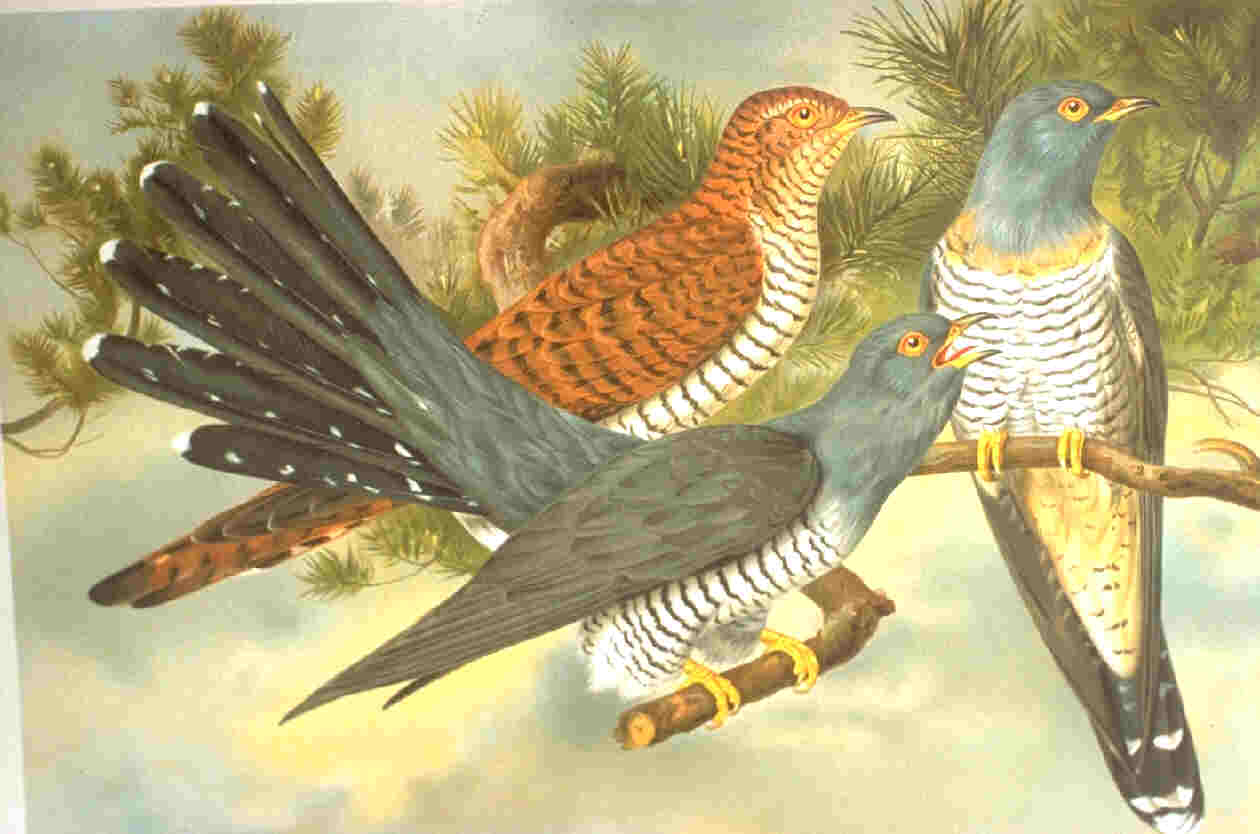
Cuckoos (family Cuculidae) are a diverse group of near-passerine birds found worldwide. Some species are brood parasites; the family also includes roadrunners, koels, coucals, malkohas, couas and anis.
Overview
The cuckoos are birds of the family Cuculidae, a varied assemblage of mostly slender, long-tailed species often described as near-passerine birds. Members of this family occupy a wide range of habitats from temperate woodlands and grasslands to tropical forests and arid scrub. They form the core of the order Cuculiformes and range in size and lifestyle from agile, arboreal insect-eaters to ground-dwelling runners.
Image gallery
10 Images




Key characteristics
Cuckoos generally have long tails and strong legs; plumage varies from cryptic browns and greys to brighter colours in some tropical taxa. Diets are largely insectivorous, with many species specialising on caterpillars and other arthropods, though some take fruit or small vertebrates. Locomotion and feeding strategies differ among groups: some are adept climbers, others forage on the ground, and a few have become highly social.
Brood parasitism and reproduction
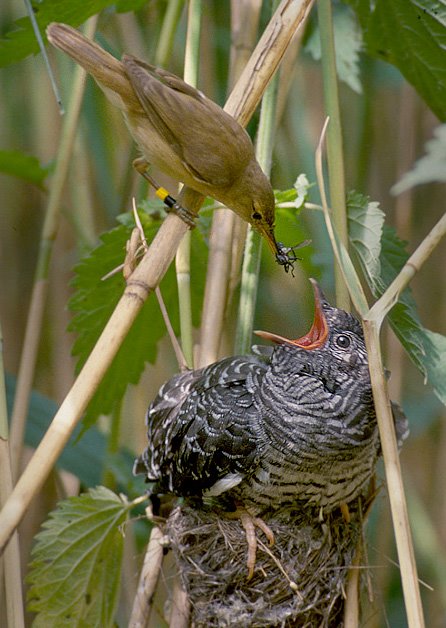
A well-known behaviour in the subfamily Cuculinae is brood parasitism. These cuckoos lay eggs in nests of other bird species, leaving hosts to incubate and rear the young. This form of parasitism, often referred to as brood parasitism, has produced striking adaptations: some parasitic cuckoos produce eggs that mimic the appearance of their host's eggs, females may remove a host egg while laying, and hatchlings of certain species may evict host young shortly after hatching. Not all cuckoos are parasitic; many groups, such as the coucals and some malkohas, build nests and provide parental care.
Diversity and classification
The family includes familiar groups such as the roadrunners of the Americas, the koels and couas of tropical regions, malkohas, coucals, and the social anis. Taxonomic treatments recognise subfamilies and genera that reflect ecological specialisations rather than a single lifestyle. Some species are closely tied to particular host birds when parasitic, while others have independent nesting ecologies.
Distribution, behaviour and migration
Cuckoos are nearly cosmopolitan in distribution, being absent only from the most extreme polar regions and certain oceanic islands. Several species are migratory—famous examples include temperate-zone cuckoos that travel to warmer regions in winter—while many tropical species remain resident. Vocalisations are an important aspect of cuckoo behaviour and are often used in territorial and mating displays.
Conservation and human cultural links
Status varies across species: some cuckoos adapt well to altered landscapes and remain common, whereas others face pressures from habitat loss, fragmentation and declines in host populations. The distinctive life histories of cuckoos have made them important subjects in studies of coevolution, host–parasite dynamics and animal behaviour. Cuckoos also appear widely in folklore, literature and common expressions associated with their calls and reproductive strategy.
Further reading
For summaries and taxonomic notes see resources on the family Cuculidae, near-passerine birds classification and species accounts lists. The order context is discussed in general treatments of Cuculiformes, and detailed accounts of parasitic behaviour and mechanisms can be found under parasitism and specific studies of brood parasitism.
Questions and answers
Q: What is a cuckoo?
A: A cuckoo is a bird that belongs to the family of near-passerine birds.
Q: What is the order of birds that the cuckoo belongs to?
A: The cuckoo belongs to the order called Cuculiformes.
Q: What is the cuckoo family famous for?
A: The cuckoo family is famous for its nest-parasite members.
Q: What are some other types of birds that belong to the cuckoo family?
A: Besides the species named as cuckoos, the cuckoo family also includes roadrunners, koels, malkohas, couas, coucals, and anis.
Q: What is notable about the subfamily Cuculinae?
A: The subfamily Cuculinae is notable for having a unique kind of parasitism called brood parasitism, in which the cuckoo lays its eggs in the nests of other types of birds.
Q: What is brood parasitism?
A: Brood parasitism is a unique kind of parasitism found in some members of the cuckoo family, where the cuckoo lays its eggs in the nests of other types of birds, who then rear the baby cuckoo instead of their own.
Q: How do other birds respond to brood parasitism?
A: Other birds are often tricked by the cuckoo's brood parasitism and end up raising the baby cuckoo instead of their own offspring.
Related articles
Author
AlegsaOnline.com Cuckoo (Cuculidae): overview, behavior and brood parasitism Leandro Alegsa
URL: https://en.alegsaonline.com/art/24536
Sources
- en.wikisource.org : The Origin of Species: Instincts of the Cuckoo
- commons.wikimedia.org : Cuculidae
- simple.wiktionary.org : onomatopoeic
- ncbi.nlm.nih.gov : PMID 19243694
- beheco.oxfordjournals.org : beheco.oxfordjournals.org/content/22/3/574
- bbc.co.uk : BBC Nature: Cuckoo's 5000 mile journey