
Old Yeller
Old Yeller is a children's novel by Fred Gipson about a frontier family and their dog. It inspired sequels and a Disney film and remains a widely read work in American children's literature.
Old Yeller is a children's novel by Fred Gipson, first published in the mid-1950s publication info. Set on the Texas frontier, the story focuses on a pioneer family and the stray dog that becomes central to their lives setting. The novel is often noted for its realistic depiction of frontier life, its exploration of responsibility, and its emotional climax that has made it memorable for generations of readers.
Image gallery
3 Images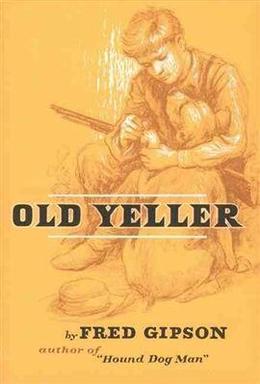

Plot and principal characters
The narrative is told primarily from the viewpoint of a young boy who grows into responsibility as he cares for the family farm and his younger brother. Old Yeller, the dog, arrives unexpectedly and quickly earns the family's affection through loyalty and bravery. Key human characters include the boy, his father, and his younger sibling; the dynamics among them provide much of the novel's emotional weight. The book balances scenes of everyday chores and risks typical of rural life with episodes that test the characters' courage and moral choices.
Themes, style and reception
Old Yeller addresses themes such as coming of age, duty, sacrifice, and the bond between humans and animals. Gipson's prose is plainspoken and rooted in place and habit, which gives the novel an immediacy that appeals to both young readers and adults. The book earned recognition from literary circles and has been described as a classic of mid-20th-century American children's literature. It also inspired two sequels, which continue elements of the story and characters Savage Sam and Little Arliss.
Adaptation and cultural impact
The novel was adapted by a major studio into a widely seen family film produced by Walt Disney studio. That adaptation introduced the story to broader audiences through cinema film under the same title Old Yeller. The movie featured several actors who were well known at the time and helped shape how later audiences imagined the characters:
Both the book and its screen adaptation have contributed phrases and scenes to popular memory, and the story is frequently cited in discussions of literature that handles the human-animal relationship with seriousness and emotional honesty.
Today Old Yeller remains in print and is often assigned or recommended for young readers studying themes of growth and responsibility. Its influence can be seen in later children's fiction that pairs coming-of-age stories with animal companions, and it continues to prompt discussion about depiction of frontier life, family bonds, and the moral decisions characters must face.
Related articles
Author
AlegsaOnline.com Old Yeller Leandro Alegsa
URL: https://en.alegsaonline.com/art/72317