
Kevin Corcoran: American child actor, director and producer
Kevin "Moochie" Corcoran (1949–2015) was a well-known child actor in Walt Disney films of the 1950s–60s who later worked behind the camera as a television and film director and producer.
Overview
Kevin Anthony "Moochie" Corcoran (June 10, 1949 – October 6, 2015) was an American entertainer best known for his work as a child performer in family films and for a later career behind the camera. He became a familiar face in mid-20th-century popular cinema through a string of appearances for the Walt Disney organization and subsequently transitioned into roles as a television and film producer and director.
Image gallery
1 Image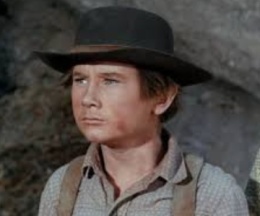
Early career and the "Moochie" persona
Corcoran earned the nickname "Moochie" in his youth and was often cast in lively, affectionate supporting parts that emphasized his boyish charm. Working during an era when studio-era family pictures reached wide audiences, he personified the wholesome, mischievous child archetype that studios relied on for heartwarming stories and light comedy.
Notable film appearances
Across the late 1950s and 1960s Corcoran appeared in several films that later became staples of American family cinema. Selected credits include:
- Walt Disney-produced projects in general
- Savage Sam
- Old Yeller
- Toby Tyler
- Pollyanna
- Swiss Family Robinson
Work behind the camera
After his years as a visible child actor, Corcoran moved into production and direction. He worked on television and film projects in capacities that included producing and directing, contributing to the development and management of programming aimed at family and general audiences. This later stage of his career is part of a broader pattern of former child actors who moved into creative and technical roles in the entertainment industry.
Corcoran's transition from on-screen performer to behind-the-scenes professional illustrates how early fame in studio-era pictures could be parlayed into long-term careers in media production. He maintained connections with the family entertainment world while expanding his skills in television production techniques and crew management.
Later life, death and legacy
Kevin Corcoran died of colon cancer on October 6, 2015, at age 66. He is remembered both for his screen presence in a generation of American family films and for his subsequent contributions as a filmmaker. The films he helped bring to audiences remain points of reference in discussions of mid-century family entertainment and the history of child performers in Hollywood.
For readers interested in the studio system, child actors' careers, or the history of family film, Corcoran's trajectory provides a clear example of mid-century entertainment pathways and the enduring cultural impact of classic family pictures.
Related articles
Author
AlegsaOnline.com Kevin Corcoran: American child actor, director and producer Leandro Alegsa
URL: https://en.alegsaonline.com/art/123642