
O'Hare station train crash (March 24, 2014)
A CTA Blue Line train overran the bumper at O'Hare station on March 24, 2014. Thirty-four people were injured; the operator fell asleep. The incident prompted safety reviews and lowered speed limits.
Overview
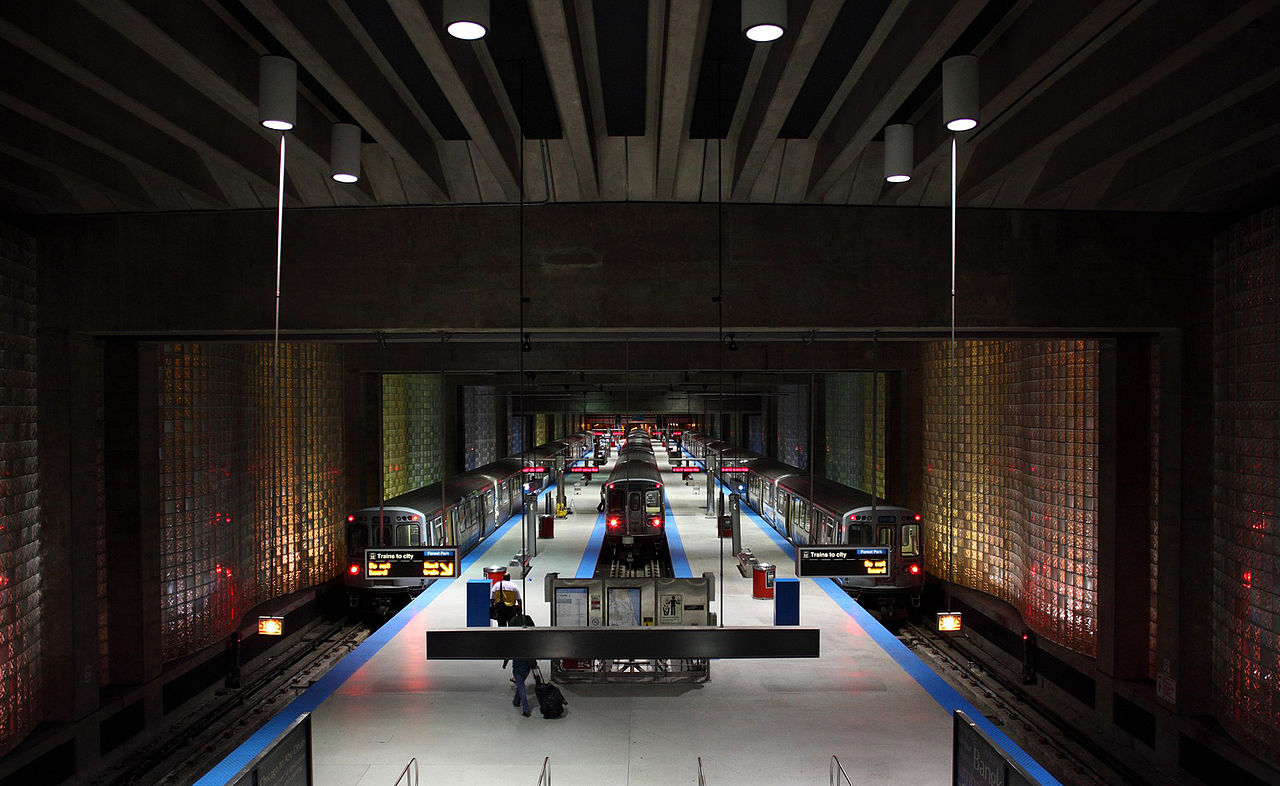
On March 24, 2014 a Chicago Transit Authority CTA Blue Line passenger train failed to stop at the terminal track at O'Hare International Airport and overran the bumper block at the platform. The collision injured 34 passengers and caused substantial damage to the train and station infrastructure. Emergency services, including at least 50 firefighters and paramedics, responded to the scene to treat the injured and secure the area.
Image gallery
3 Images

What happened
The train entered the O'Hare terminal area and did not stop as expected. Initial statements from transit officials noted that the train's approach speed into the station was likely a factor. Subsequent examination estimated the speed of approach at about 25 to 26 miles per hour, a figure that transit staff described as not unusually high for that location under normal operating conditions. Despite that estimate, the train did not stop in time and struck the bumper at the end of the track.
Casualties, damage and emergency response
Thirty-four people sustained injuries of varying severity; most were treated at the scene or taken to nearby hospitals. Responders included dozens of firefighters and paramedics who provided first aid and transported patients as needed. The property damage from the incident was later estimated at roughly $11.2 million, reflecting harm to the train, station fixtures, and related equipment.
Investigation and determined cause
Investigators concluded that the immediate cause of the collision was the train operator falling asleep while operating the train. The operator was identified in public reports and their condition—sleep at the controls—was cited by officials as the primary causal factor. The finding prompted questions about operator fatigue, scheduling, and monitoring practices used by the transit agency.
Aftermath and system changes
In direct response to the accident, the CTA adjusted operating procedures at the terminal. The speed limit entering the O'Hare station area was reduced from 25 miles per hour to 15 miles per hour, and the reduced-speed zone was extended further away from the platform to provide a larger margin for stopping. The agency also said it would review training and oversight protocols for operators to reduce the risk of fatigue-related incidents.
Context and significance
The O'Hare crash highlighted the vulnerability of rail systems to human factors such as operator fatigue, even where infrastructure and signaling appear to function. Transit agencies typically respond to such events with a mix of engineering remedies (for example, physical speed restrictions and improved bumper or buffer designs), administrative measures (policy and scheduling changes) and technological interventions (automated train control, vigilance devices or operator monitoring). The incident reinforced interest in such layered safety approaches as a way to reduce single-point human-error failures.
- Key facts: 34 injured, approximately $11,196,796 damage.
- Immediate cause: operator fell asleep at the controls.
- Response measures: speed reduction into terminal, extended slow zone, and reviews of operator oversight.
For more information about the agency and public statements issued after the event, see the CTA communications and emergency response summaries: Blue Line service notes, O'Hare station details. Eyewitness and responder accounts were reported through local emergency services releases and press briefings, including participation by fire department units and medical responders.
Related articles
Author
AlegsaOnline.com O'Hare station train crash (March 24, 2014) Leandro Alegsa
URL: https://en.alegsaonline.com/art/72112
Sources
- ntsb.gov : "Board Meeting : Chicago Transit Authority Train Collides with Bumping Post and Escalator at O'Hare Station"
- suntimes.com : "Blue Line train derails at O'Hare, climbs up escalator; 32 hurt"
- bbc.co.uk : "Chicago airport train derailment injures 32"
- suntimes.com : "'Automatic stop' kicked in before CTA train crashed at O'Hare"
- chicagotribune.com : "'I got tossed from one end of the train to the other'"
- abclocal.go.com : "Train operator identified in Blue Line crash"
- suntimes.com : "CTA operator awoke 'when she hit,' dozed off before, NTSB says"