
Oath of Office of the President of the United States
The constitutional oath sworn by U.S. presidents at inauguration. Text, legal basis, administration customs, historical notes, and distinctions about swearing, affirming, and ceremonial practices.
Overview
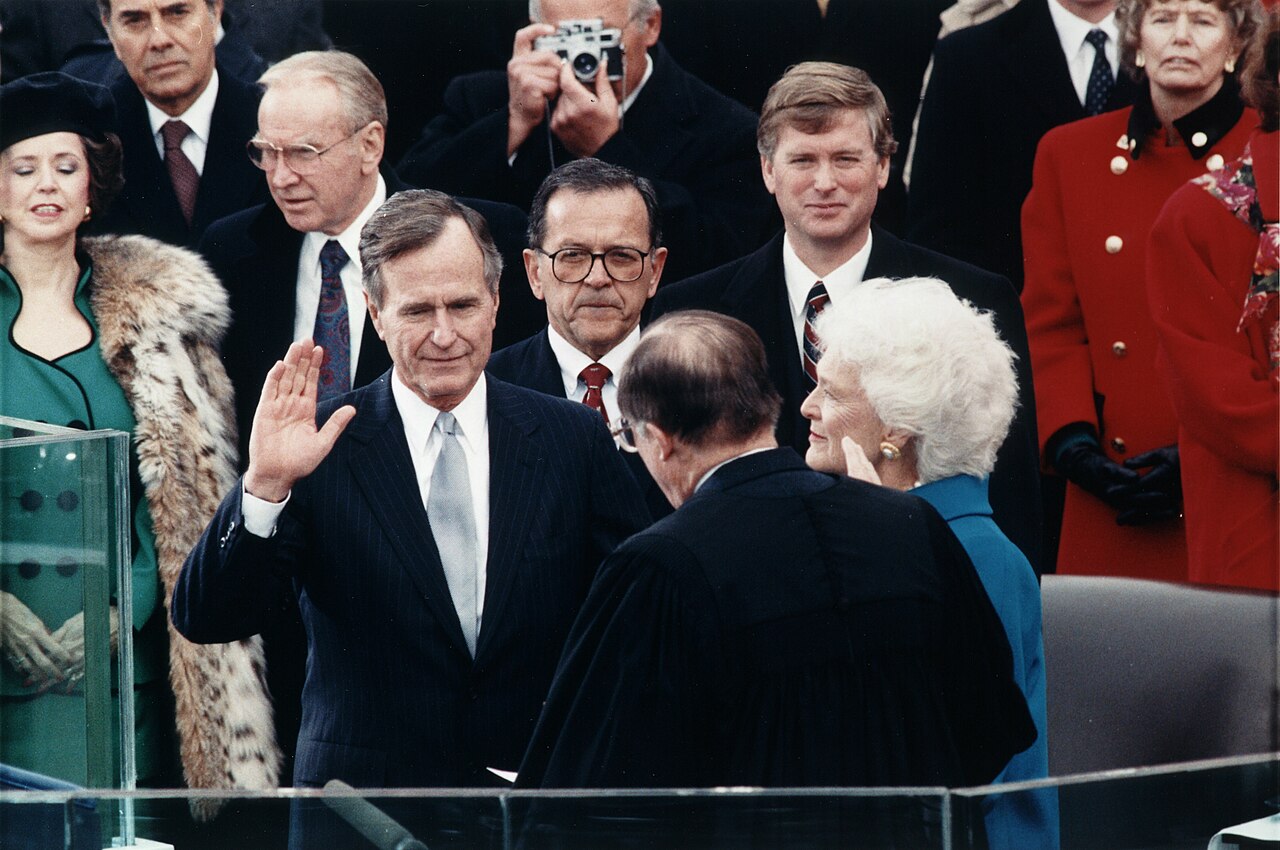
The oath of office for the president of the United States is the formal promise a president makes before beginning the powers and duties of the presidency. Its wording is set by the U.S. Constitution and the act of taking the oath is the constitutional trigger that authorizes the president to exercise executive authority. The ceremony in which the oath is delivered is commonly called the inauguration.
Image gallery
7 Images


Text and form
The exact words of the presidential oath are contained in Article II, Section 1, Clause 8 of the Constitution. It reads in full: “I, (name), do solemnly swear (or affirm) that I will faithfully execute the Office of President of the United States, and will to the best of my Ability, preserve, protect and defend the Constitution of the United States.” This single sentence is the only oath text specified by the Constitution for any federal officeholder.
Administration and timing
The Constitution does not prescribe who must administer the oath, but by long-standing custom the chief justice of the United States typically administers it. The ceremony usually takes place on January 20 following a presidential election, a date set by the 20th Amendment. Because the oath must be taken before presidential powers can be exercised, it is sometimes administered in a brief private ceremony when the public inauguration is delayed for scheduling reasons.
Key characteristics
- Swear or affirm: The oath may be sworn on a religious text or affirmed without religious language; both options are permitted by the Constitution.
- Religious phrases optional: Words such as “So help me God” are traditional for some presidents but are not part of the constitutional text and are not legally required.
- Use of a Bible: Bringing or placing a Bible for the oath is a customary practice for many presidents but is purely ceremonial and not mandated.
- Administering officer: While the chief justice often presides, any person with legal authority to administer oaths may do so if circumstances require it.
History and notable practices
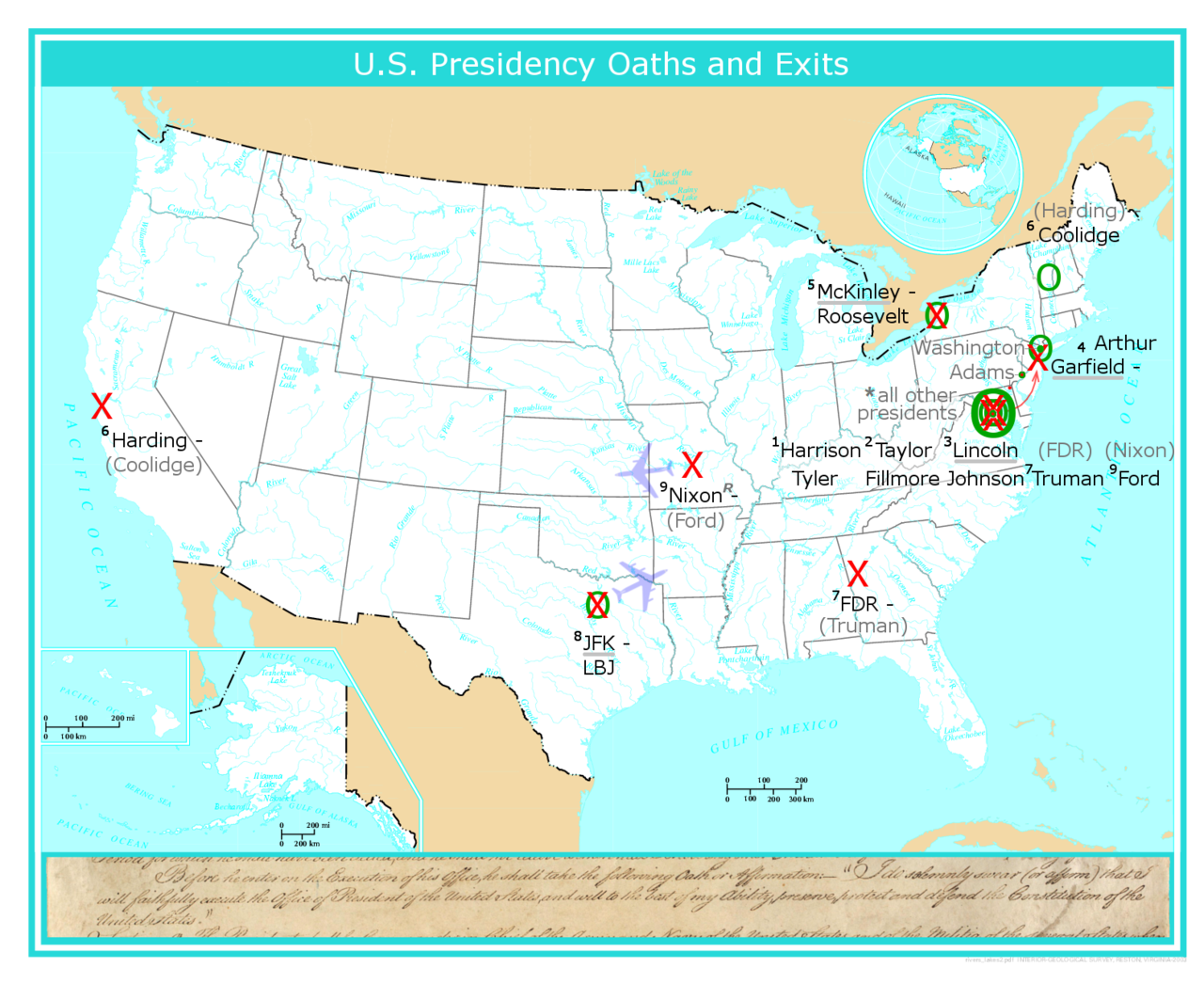
The presidential oath has been delivered at a variety of locations and in different circumstances through U.S. history, from the first inauguration in 1789 to modern public ceremonies. In some instances, presidents have taken the oath privately to ensure continuity of government and then later repeated the oath in public for ceremonial purposes. The phraseology of the constitutional oath has remained unchanged since it was written, though surrounding traditions and the setting of inauguration events have evolved.
Legal and civic significance
Taking the oath is more than a ritual: it is the constitutional act that confers the authority to execute the office. Because the oath binds the president to uphold the Constitution, it has both legal symbolism and practical consequence. The presidential oath differs from other federal oaths in that it alone is specified verbatim by the Constitution; many other oaths rely on statutory language or general clauses in the Constitution.
Further reading and resources
For more on the text and ceremony, see official references and historical guides such as the constitutional provision, background on the role of the presidency, definitions of oath and affirmation at reference sources, customary practice around the chief justice, and cultural notes about ceremonial items like the Bible. These resources outline both the legal requirements and the informal traditions surrounding the oath.
Related articles
Author
AlegsaOnline.com Oath of Office of the President of the United States Leandro Alegsa
URL: https://en.alegsaonline.com/art/71649