
Northwest Airlines — History, Operations, Hubs, and Merger
Comprehensive overview of Northwest Airlines: a former major U.S. carrier known for transpacific routes, cargo operations, hubs in Detroit/Minneapolis/Memphis, Chapter 11 reorganization, and its 2010 merger with Delta.
Overview
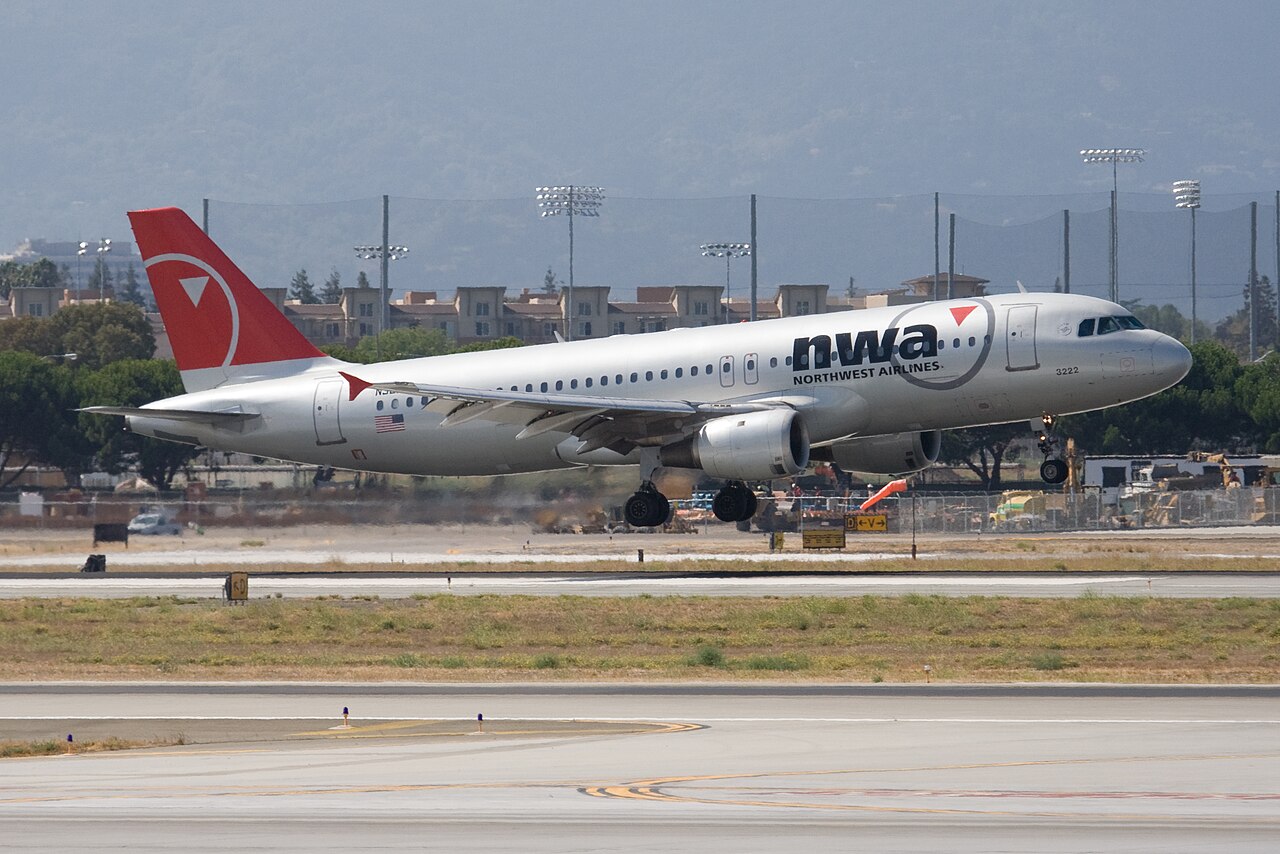
Northwest Airlines, often abbreviated NWA, was a major U.S. scheduled carrier with a strong presence in domestic and transpacific markets. Headquartered near the Minneapolis–Saint Paul metropolitan area, the airline developed a distinctive route network that combined extensive domestic services with a market-leading position across the Pacific. Over several decades Northwest operated both passenger and dedicated cargo services and became known as a combination carrier that used widebody aircraft for freight as well as people. For background information about the airline's market role see industry context and summaries of U.S. airline history at historical overview. The airline's corporate headquarters location is documented at its former site.
Image gallery
10 Images



Operations, Hubs, and Network
At its core Northwest ran an extensive hub-and-spoke system. Its principal hubs in the United States were concentrated in the Midwest and South, acting as connecting points for domestic and international services. The airline also maintained an important Asian gateway and European partnerships that broadened its global reach. The airline's hub strategy and major airport operations have been described in contemporary industry materials at network analyses.
- Major U.S. hubs: Detroit Metropolitan (see airport profile), Minneapolis–Saint Paul, and Memphis International.
- International gateway in Asia: a significant presence at Narita International Airport, Tokyo (Narita and regional context Tokyo area).
- European cooperation: transatlantic services in partnership with KLM from Amsterdam Schiphol (KLM partnership, Schiphol).
- Focus cities and other bases: Indianapolis and Seattle supported point-to-point and feeder flights (operations detail).
Fleet, Cargo and Market Position
Northwest combined passenger schedules with a significant air-cargo operation. It flew many transpacific passengers and carried a high volume of freight, operating freighter widebodies including Boeing 747 freighters used exclusively for cargo. In the mid-2000s NWA was among the top carriers globally by scheduled passenger miles and led U.S. carriers in some transpacific traffic metrics; its role in Asia-Pacific markets and cargo volumes are discussed in airline traffic summaries at market reports. The carrier also worked with regional partners under the Northwest Airlink brand to serve lower-density routes.
History, Bankruptcy and Reorganization
Over its long history Northwest combined organic growth, route development and alliances. Like several legacy carriers it faced cyclical financial pressures and entered bankruptcy protection to restructure operations and contracts. Northwest operated under Chapter 11 and completed its reorganization in the late 2000s; key dates in that process include the court-supervised reorganization and emergence milestones referenced at legal filings and corporate announcements (emergence report). The carrier used restructuring to renegotiate labor agreements, modernize some fleet elements and reposition its network.
Merger with Delta Air Lines
In 2008 Northwest announced a planned combination with Delta Air Lines; the transaction required regulatory review and integration planning. The announcement and related filings are summarized in contemporary press and regulatory sources at merger announcement and supporting materials (analysis). As parties navigated reviews the formal closing occurred in early 2010, completing the consolidation of two legacy U.S. carriers (transaction background, closing notice, post-merger integration).
Regional Partners, Loyalty and Legacy
Regional flying for Northwest was operated under the Northwest Airlink banner by several feeder carriers; this arrangement maintained local connectivity to the carrier's hubs. Its frequent-flyer program, WorldPerks, rewarded frequent customers and later merged into the loyalty framework of the combined carrier. Northwest's brand, route infrastructure and assets were absorbed into the larger Delta system, but its legacy remains visible in route choices, hub functions and international gateway strategy. For airline enthusiasts and researchers, additional organizational and operational records are available via archival summaries and retrospective analyses at archival index and related sources (industry retrospectives).
Notable facts: Northwest was historically important for U.S.–Asia connections, operated one of the largest domestic networks at various times, and maintained a significant dedicated freighter operation among U.S. passenger airlines. For further reading and original documents, consult the referenced resources above and specialized airline histories.
Related articles
Author
AlegsaOnline.com Northwest Airlines — History, Operations, Hubs, and Merger Leandro Alegsa
URL: https://en.alegsaonline.com/art/71079
Sources
- av-info.faa.gov : "Federal Aviation Administration - Airline Certificate Information - Detail View"
- iata.org : "WATS Scheduled Passenger - Kilometres Flown"
- iata.org : "Scheduled Freight Tonne - Kilometres Flown"
- cheapoair.com : "Northwest Airlines Flights - CheapOair"