
North Platte, Nebraska
North Platte is a regional city in west‑central Nebraska known for its railroad hub, riverside location, and World War II-era community history. It serves as a service center for surrounding agricultural areas.
Overview
North Platte is a city in Lincoln County that functions as a regional center in west‑central Nebraska. The community had about 25,000 residents according to the 2010 U.S. census. It lies where branches of the Platte River meet and has long been shaped by river travel and overland transportation corridors.
Image gallery
4 Images


Origins and development
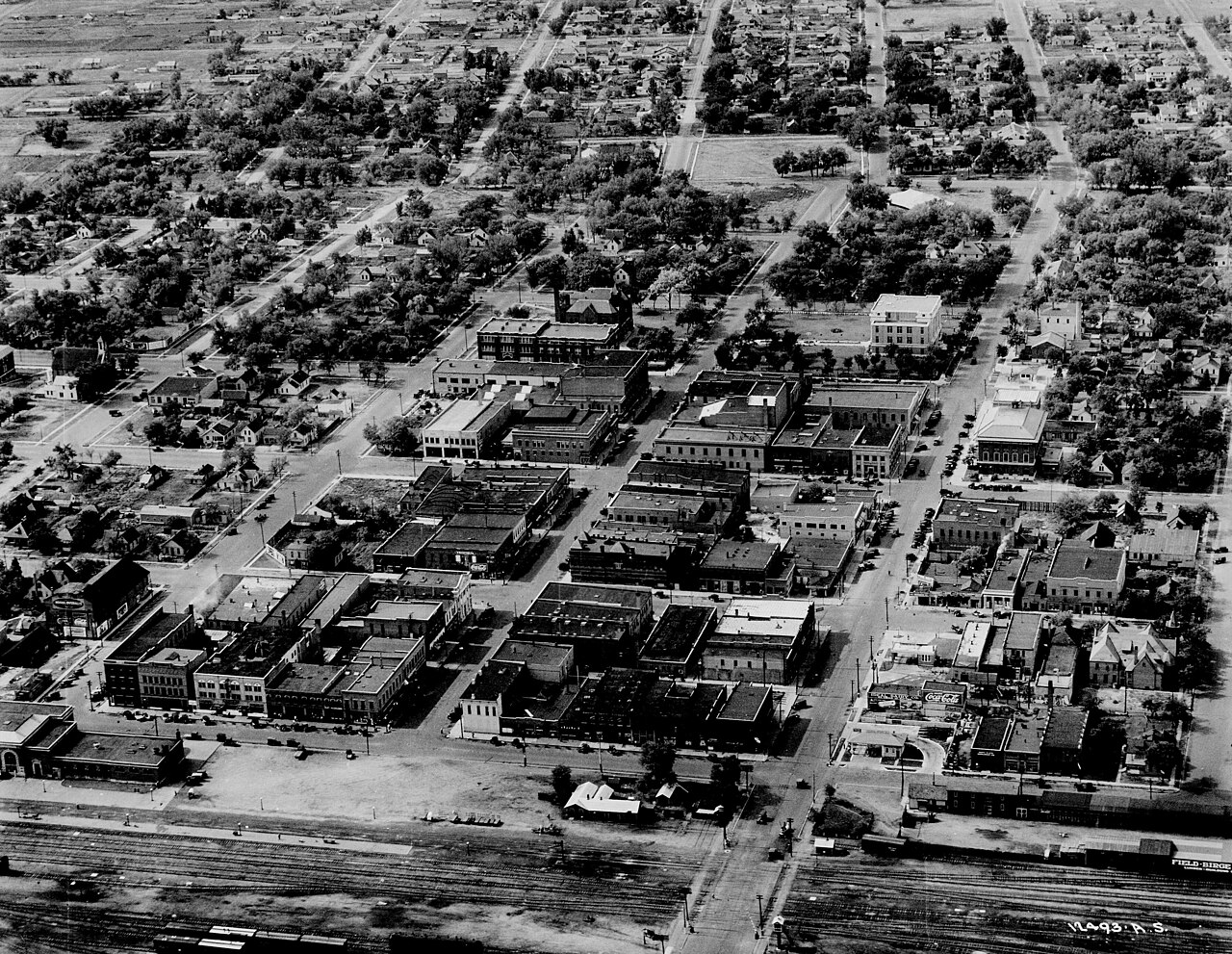
The town developed in the late 19th century alongside expanding railroad lines and grew as a junction on transcontinental routes. Its location on the Platte River system provided a natural stopping point for pioneers, freighters and later for rail crews, which influenced the city’s layout and economy.
Economy and transportation
North Platte is best known for its strong ties to the railroad industry. The Union Pacific classification yard nearby is one of the largest freight marshalling complexes in the world and has been a major employer for the area. Beyond railroading, the local economy includes agriculture, energy and a range of service businesses that support the surrounding rural communities.
Climate
The city has a semi‑arid climate, with relatively low annual precipitation, warm summers and cold winters. Seasonal wind and temperature swings are common for inland Great Plains locations; for more detail on weather patterns see the regional climate references here.
Culture, sites and recreation
North Platte preserves several historical and recreational attractions and hosts community events that draw visitors from the region. Notable places and activities include:
- Railway landmarks — observation towers and visitor facilities that interpret the rail yard and its operations.
- Historic sites — museums and ranch properties connected to the region’s frontier and settlement era.
- Riverside parks and trails — access to the Platte River for fishing, birdwatching and informal recreation.
- Community traditions — annual fairs and events rooted in agricultural and railroad heritage.
Significance and distinctions
While modest in population, North Platte serves as a commercial, medical and cultural hub for a broad rural area. Its identity remains tightly linked to transportation—especially rail—and to the Platte River corridor. The city’s wartime community efforts and transportation role are often cited as defining elements of its modern character.
Related articles
Author
AlegsaOnline.com North Platte, Nebraska Leandro Alegsa
URL: https://en.alegsaonline.com/art/70929