
Nitzan Horowitz: Israeli Politician, Journalist, and Meretz Leader
Profile of Nitzan Horowitz, Israeli journalist-turned-politician, longtime Meretz member and leader, former foreign correspondent, Knesset member and advocate for human rights and civil liberties.
Overview
Nitzan Horowitz (Hebrew: ניצן הורוביץ; born 24 February 1965) is an Israeli politician and former journalist. He is best known as a longtime member and leader of the left‑wing party Meretz and as a public figure who has combined a media career with advocacy on human rights, civil liberties and peace issues.
Image gallery
1 Image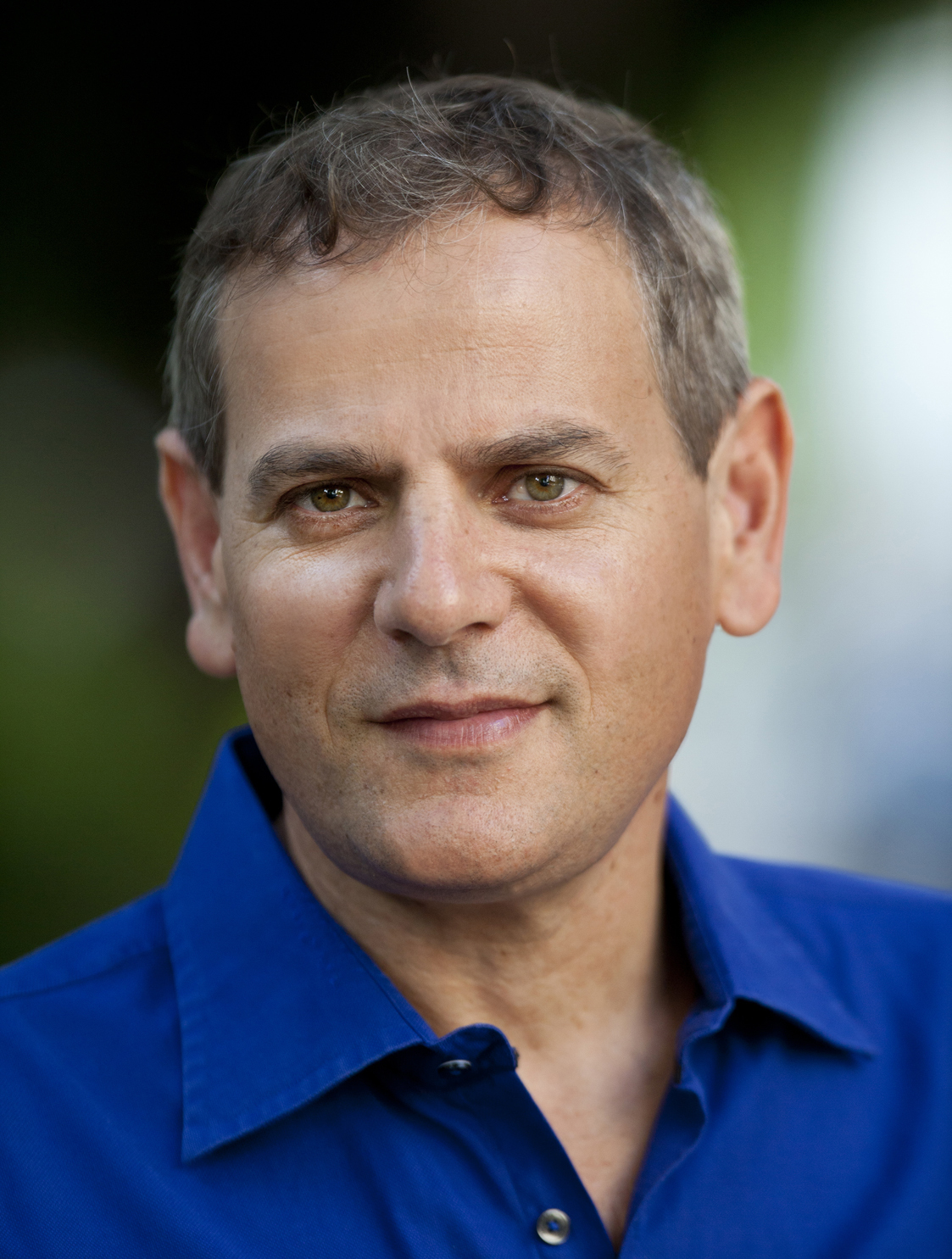
Journalism and early public life
Before entering full‑time politics, Horowitz worked for major Israeli television outlets. He served as chief U.S. correspondent and later as a foreign affairs commentator, leading international desks at prominent news divisions. His reporting on diplomacy and international relations raised his public profile and informed his later work in the Knesset.
Political career and offices
Horowitz was first elected to the Knesset as a member of Meretz and served multiple terms as a Member of Knesset. He stood for municipal office in 2013 when he ran for mayor of Tel Aviv, and in June 2019 he won the leadership election of Meretz. He has also been associated with the broader center‑left alliance known as the Democratic Union. In the government formed in 2021 he held a ministerial portfolio, representing his party within a multi‑party coalition.
Positions and priorities
Horowitz and his party emphasize civil liberties, separation of religion and state, minority rights, social justice and a negotiated resolution to the Israeli‑Palestinian conflict. His parliamentary activity has focused on healthcare, equality, media freedom and human rights. He is widely regarded as an advocate for a progressive, secular agenda in Israeli politics.
Significance and notable facts
- Horowitz is one of the more prominent openly gay politicians in Israel and has been visible on LGBT issues and representation.
- He bridges journalism and politics, bringing experience in international reporting to legislative and diplomatic debates.
- Under his leadership Meretz has sought to maintain a distinct left‑wing voice within Israel's fragmented party system.
Nitzan Horowitz's career illustrates the movement of public figures from media into politics and highlights the role of smaller ideological parties in shaping policy debates. His background in journalism and long involvement with Meretz have made him a notable participant in discussions about civil rights, governance and Israel's place in international affairs.
Related articles
Author
AlegsaOnline.com Nitzan Horowitz: Israeli Politician, Journalist, and Meretz Leader Leandro Alegsa
URL: https://en.alegsaonline.com/art/70388