
Nizam of Hyderabad: rulers of the Asaf Jahi dynasty and their legacy
Title held by the Asaf Jahi sovereigns of Hyderabad State from the early 18th century; noted for regional autonomy, cultural patronage, administrative institutions and eventual integration into independent India.
Overview
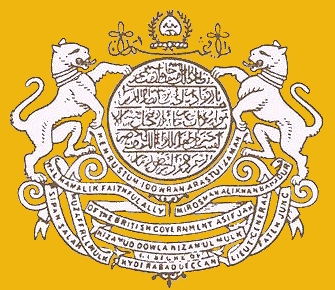
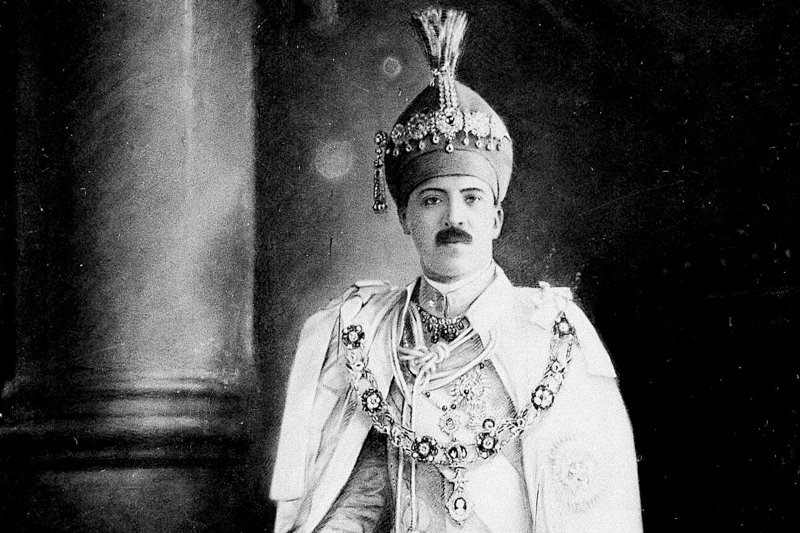
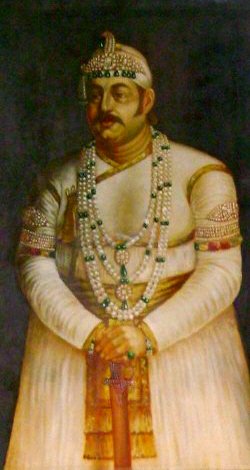
The term "Nizam" refers to the hereditary rulers of the princely polity that became known as the Hyderabad State. Emerging in the early 18th century amid the decline of the Mughal Empire, the Asaf Jahi house established a long-lived regional monarchy in the Deccan. Their rule combined traditional Muslim court culture with local administrative practices in what is today south-central India.
Image gallery
10 Images





Origins and the Asaf Jahi dynasty
The dynasty was founded by Mir Qamar-ud-Din Siddiqi, who served as a Mughal viceroy of the Deccan before asserting practical independence for his province. This assertion took place in the wake of imperial fragmentation after the death of Emperor Aurangzeb, when regional governors and military leaders carved out autonomous realms. The founders and their successors adopted the title "Asaf Jah" and came to be known collectively as the Asaf Jahi dynasty.
Government, society and relationship with the British
Hyderabad developed as a significant princely state that combined hereditary rule with biradari, jagir and municipal institutions. From the late 18th century the Nizams entered into formal arrangements with the British, becoming a princely ally within British India while retaining internal autonomy. The state maintained its own armed forces, revenue administration and courts, even as external defence and diplomacy came under British influence.
Cultural patronage and public works
The Nizams are remembered for extensive patronage across a wide range of fields. They supported formal education and founded colleges and universities; promoted literature and courtly scholarship; and encouraged building projects that enriched local architecture. Court life fostered art and musical traditions and helped sustain a distinctive culture blending Persian, Deccan and local influences.
Notable rulers and institutions
- There were seven principal Nizams (Asaf Jah I–VII), whose family names included Mir Qamar-ud-Din Siddiqi and, among later leaders, Osman Ali Khan.
- The dynasty oversaw the founding or expansion of schools, hospitals, bazaars and civic works that shaped the urban character of Hyderabad.
End of sovereignty and historical importance
Following British withdrawal in 1947, the Nizam initially sought to preserve the state's independence. This period saw complex negotiations with the new Indian government and a temporary standstill in relations after Indian independence in 1947. Within a year the state was incorporated into the Indian Union, bringing to an end the Nizams' political autonomy. The legacy of two centuries of rule remains visible in Hyderabad's institutions, language and built environment: administrative reforms, educational foundations and artistic patronage continued to shape regional life long after formal sovereignty ended.
Quick reference
- Hyderabad State — territorial base of the Nizams.
- Asaf Jahi dynasty — ruling family.
- British India — context of subsidiary alliance and princely status.
- Contributions: education, literature, architecture, art, and regional culture.
For more detailed timelines and biographies, consult specialist histories of the Deccan and the colonial period or the institutional records of Hyderabad's universities and archives (India, local repositories and scholarly works).
Questions and answers
Q: Who were the Nizams?
A: The Nizams were the title of the native sovereigns of Hyderabad State, India, since 1719. They belonged to the Asaf Jahi dynasty.
Q: Who founded the Asaf Jahi dynasty?
A: The Asaf Jahi dynasty was founded by Mir Qamar-ud-Din Siddiqi, a viceroy of the Deccan under the Mughal emperors from 1713 to 1721.
Q: How did Hyderabad become one of the princely states of British India?
A: After Aurangzeb's death in 1707, the Mughal Empire fell apart and the viceroy in Hyderabad declared independence. From 1798 onwards, Hyderabad became one of the princely states of British India but it kept local control.
Q: How many Nizams ruled Kingdom of Hyderabad for two centuries until Indian independence in 1947?
A: Seven Nizams ruled Kingdom of Hyderabad for two centuries until Indian independence in 1947.
Q: What did Asaf Jahi rulers use money to support?
A: The Asaf Jahi rulers used money to support free Education, literature, architecture, art, culture and cuisine.
Q: When did Nizam rule end after Indian independence in 1947?
A: The Nizams ruled ended in September 1948 after India gained independence from Britain.
Related articles
Author
AlegsaOnline.com Nizam of Hyderabad: rulers of the Asaf Jahi dynasty and their legacy Leandro Alegsa
URL: https://en.alegsaonline.com/art/70399
Sources
- books.google.com : Nizam-British Relations, 1724-1857
- books.google.com : Our Faithful Ally, the Nizam
- books.google.com : The Nizam: His History and Relations With the British Government, Volume 1
- books.google.com : The Days of the Beloved
- books.google.com : books.google.com/books?id=wRweAAAAMAAJ&q=asaf+jahi&dq=asaf+jahi&pgis=1