
Ningbo: Chinese port city in Zhejiang Province
Ningbo is a historic coastal city in eastern China’s Zhejiang province, known for a long maritime trade history, a major modern port, and cultural sites such as Tianyi Pavilion and Baoguo Temple.
Ningbo is a coastal city in eastern China’s Zhejiang province, located on the northern shore of Hangzhou Bay and within driving distance of Shanghai. Its position on the East China Sea has shaped Ningbo’s economy and identity: the city is widely recognized for its deep historical ties to maritime commerce and for hosting one of the country’s major modern ports.
Image gallery
10 Images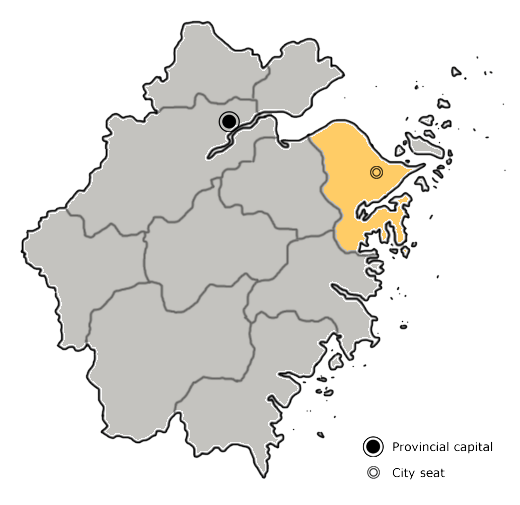


History and development
The area of Ningbo has been inhabited for millennia, but its role as an international trading hub developed in particular during the imperial period. Records show commercial contacts and overseas trade dating back to the Tang era; historical sources note that merchants from Ningbo engaged in maritime exchange as early as the Tang dynasty. Over subsequent centuries the city expanded as a regional center for shipping, crafts and cultural exchange, blending local traditions with influences brought by foreign trade.
Characteristics and economy
Today Ningbo combines heavy industry, export-oriented manufacturing and logistics. The modern port complex serves container shipping, bulk cargo and ferry services and links the city to international supply chains. Inland, the urban area supports manufacturing sectors, small- and medium-sized enterprises, and a growing services and finance sector that serves the surrounding province.
Cultural heritage and notable sites
Ningbo preserves a number of significant historical and religious sites that attract scholars and visitors. Highlights include:
- Baoguo Temple — originally built in the Tang period and rebuilt later, it contains a well-preserved wooden hall structure representative of traditional Chinese temple architecture.
- Tianyi Pavilion — founded in the 16th century, this private library is one of the oldest surviving libraries of its kind in China and remains a symbol of the city’s literary history.
- Tianning Temple Pagoda and other historic pagodas and garden complexes that reflect Ningbo’s religious and aesthetic traditions.
Culture, transport and modern importance
The city balances preservation with modernization: restored historic neighborhoods and museums coexist alongside container terminals, rail links and highways. Ningbo’s cultural institutions—museums, festivals and traditional crafts—keep local history visible while the transport networks maintain its role as a gateway for goods and people. For readers seeking more detail, local municipal resources and travel guides provide practical information on visiting the sites and using the port and transport services.
Related articles
Author
AlegsaOnline.com Ningbo: Chinese port city in Zhejiang Province Leandro Alegsa
URL: https://en.alegsaonline.com/art/70270
Sources
- nbstats.gov.cn : "2009年宁波市经济社会发展情况"