
Ninad Bedekar: Indian historian, writer and popularizer of Maratha heritage
Ninad G. Bedekar (1949–2015) was a Pune-based historian, author and orator known for researching and popularizing Maratha-era forts, military history and regional cultural heritage through books, talks and media.
Ninad Gangadhar Bedekar (17 August 1949 – 10 May 2015) was an Indian historian, writer and orator noted for bringing Maratha-era history and the region's forts to a broad public audience. A native of Pune, in Maharashtra, he combined archival study with public lecturing, guided walks and contributions to stage and television to promote local heritage. Bedekar's work is often cited in regional biographical listings and cultural programs further reading.
Image gallery
1 Image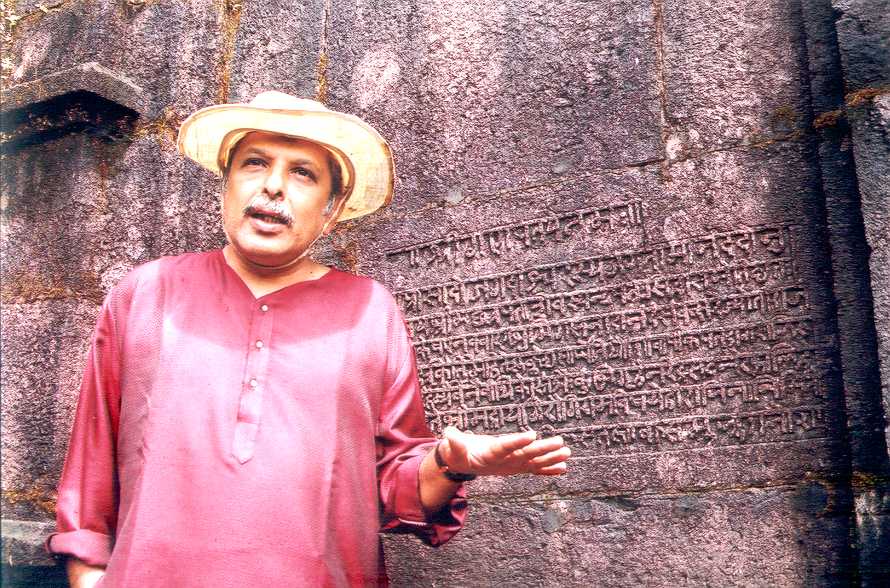
Career and public engagement
Bedekar developed his reputation through sustained study of primary sources — official letters, inscriptions and travel accounts — and through careful examination of surviving structures. He became widely known for popular lectures and on-site talks at forts and historical locations, where he explained architecture, defensive features and aspects of daily life in engaging language accessible to general audiences. His public talks frequently drew diverse audiences including students, local historians and conservation volunteers.
Contributions and works
His output combined scholarship with public history and cultural programming. Contributions included books, essays and pamphlets in Marathi and other languages intended for both specialist and general readers. He also wrote scripts and provided advisory input for cultural presentations such as son et lumière (sound-and-light) performances and historical television serials, including Peshwai, helping to shape narrative and visual interpretation for mass audiences.
- Books and short studies on forts, battles and personalities of the Maratha period, often addressing local audiences and enthusiasts.
- Scripts and advisory work for stage presentations and televised history, connecting archival evidence to dramatic presentation.
- Guided tours, on-site demonstrations and media appearances aimed at explaining sources, chronology and the material remains of the past.
Research interests and approach
Bedekar focused on military, architectural and administrative themes: the design and strategic use of hill forts, logistics and tactics of Maratha campaigns, and the biographies of regional leaders. He emphasized evidence drawn from documents and surviving architecture and sought to correct misunderstandings in popular accounts by presenting balanced, source‑based interpretations. His explanatory style favored clear narrative supported by on-site illustration.
Legacy
After his death in 2015, Bedekar's work continued to influence local historians, conservationists and popular presenters of history. His books and recorded talks remain reference points for those researching Maharashtra's forts and the Maratha period, and his approach to public history helped sustain community interest in conservation and heritage education. For additional information and collections of his essays and scripts consult local archives and cultural institutions in Pune and Maharashtra, as well as online catalogs and biographical entries listed sources.
Related articles
Author
AlegsaOnline.com Ninad Bedekar: Indian historian, writer and popularizer of Maratha heritage Leandro Alegsa
URL: https://en.alegsaonline.com/art/70251
Sources
- indianexpress.com : "350 years on, Afzal Khan is back in the news"
- articles.timesofindia.indiatimes.com : "Newspaper vendors felicitated"