
Nimrod Expedition (British Antarctic Expedition) 1907–1909
The Nimrod Expedition (1907–09) led by Ernest Shackleton aimed for the South Pole, reached a then-record 'farthest south', made the first ascent of Mount Erebus and carried out significant scientific work.
Overview
The Nimrod Expedition, officially the British Antarctic Expedition of 1907–1909 and commonly called the Nimrod Expedition, was a major early exploration of the Antarctic led by Ernest Shackleton. Sailing south on the ship Nimrod, the expedition set out with the primary objective of reaching the South Pole, while also mapping unknown coastline, conducting scientific observations, and attempting notable climbs in the region.
Image gallery
10 Images





Ship, team and equipment
The expedition combined traditional polar methods with experimental technology for its time. The party included sailors, geologists, surveyors and scientists and used a mixture of dogs, pack ponies and an early motor vehicle to haul sledges. Logistics emphasized depot-laying and staged travel to support a push toward the Pole; these techniques influenced later polar planning.
Route, achievements and "farthest south"
Shackleton's southern party advanced farther toward the Pole than any previous expedition. They reached a point only about 112 miles (roughly 180 kilometres) from the geographic South Pole before conditions and dwindling supplies forced a deliberate and disciplined retreat to avoid disaster. This turn-back made the Nimrod team the record holders for southern latitude at the time and demonstrated both the possibilities and limits of man-hauling, animal transport and early motorized assistance in extreme polar conditions.
Scientific work and Mount Erebus
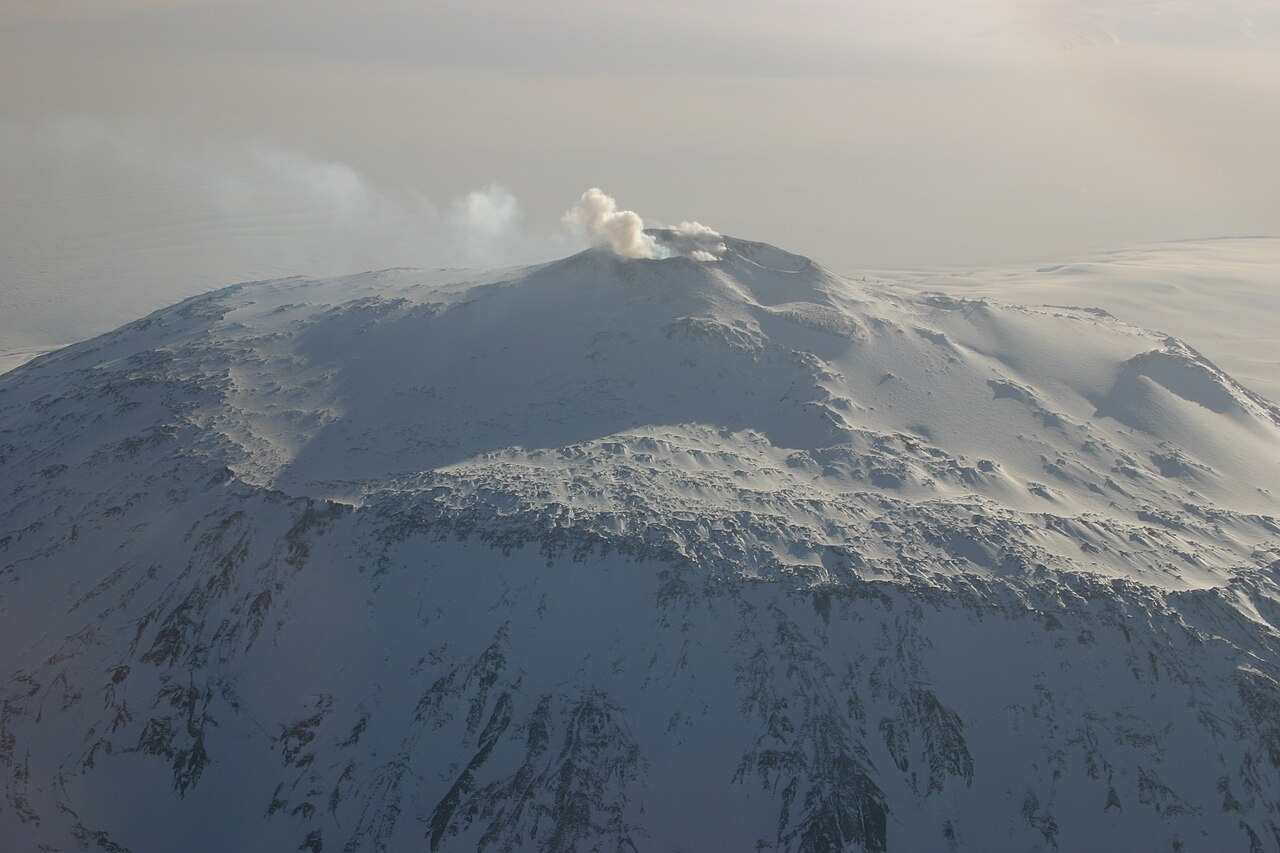
Beyond the polar push, the expedition made sustained scientific contributions. Members carried out observations in geology, meteorology, magnetism and biology, collected specimens, and surveyed coastal features. The party also achieved the first recorded ascent of Mount Erebus, the active volcanic peak on Ross Island, adding mountaineering and geological insight to their list of accomplishments.
Recognition, legacy and later arrivals
On return to Britain the expedition received wide public acclaim. Shackleton was honored for his leadership and for the expedition's accomplishments, including being knighted in 1909. The methods, depot practices and lessons learned influenced subsequent explorers. Within a few years a rival international effort led by Roald Amundsen ultimately reached the South Pole in 1911, becoming the first to stand at that goal.
Notable facts and context
The Nimrod Expedition is often remembered both for its near-success and for the discipline that saved lives. It was an early example of combining exploration with systematic science during the Heroic Age of Antarctic Exploration. Contemporary accounts and later histories also highlight the human dimensions: leadership choices, logistical improvisation, and the balance between ambition and prudence. For further general context on the expedition, the Antarctic region, Shackleton's career, and related expeditions see sources such as the broader British Antarctic Expedition summaries and regional studies of the Antarctic.
- Primary leader: Ernest Shackleton
- Main objectives: reach the South Pole, scientific survey, climb Mount Erebus
- Aftermath: knighthood (1909) and influence on later expeditions including that of Roald Amundsen
Related articles
Author
AlegsaOnline.com Nimrod Expedition (British Antarctic Expedition) 1907–1909 Leandro Alegsa
URL: https://en.alegsaonline.com/art/70241
Sources
- shackletoncentenary.org : "The Nimrod Expedition 1907-1909"
- discerninghistory.com : "Ernest Shackleton – Nimrod Expedition"