
Niihama: coastal city in Ehime Prefecture, Japan
Niihama is a coastal city on the island of Shikoku in Ehime Prefecture, known for its industrial heritage, the historic Besshi copper mine, and the lively Niihama Taiko Festival each October.
Niihama is a coastal city in Ehime Prefecture on the island of Shikoku, in Ehime, Japan. It serves as a regional center combining urban areas along the coast with mountainous countryside inland. The city's location gives it both port access and connections to interior mining and forestry districts. For municipal information see the local government pages at city sources.
Image gallery
9 Images



Geography and transport
Niihama sits near the Seto Inland Sea with a mix of lowland coastal neighborhoods and steeper terrain rising toward the island's interior. This topographic variety shaped settlement patterns, industry and transport: coastal zones host factories and ports, while inland valleys once supported mining and timber operations. The city is served by regional rail and road links that connect it to other cities on Shikoku and to ferry and highway networks linking the island to Honshu.
History and economy
Niihama grew from a rural and resource-oriented past into an industrial hub. Its most famous legacy is the Besshi copper mine, historically operated by the Sumitomo group, which played a key role in Japan's industrial development. Although large-scale mining has ended, the mining heritage influenced local industry: metal processing, manufacturing and chemical firms remain important employers. In recent decades the economy has diversified toward services, light industry and tourism tied to historical sites.
Culture, festivals and attractions
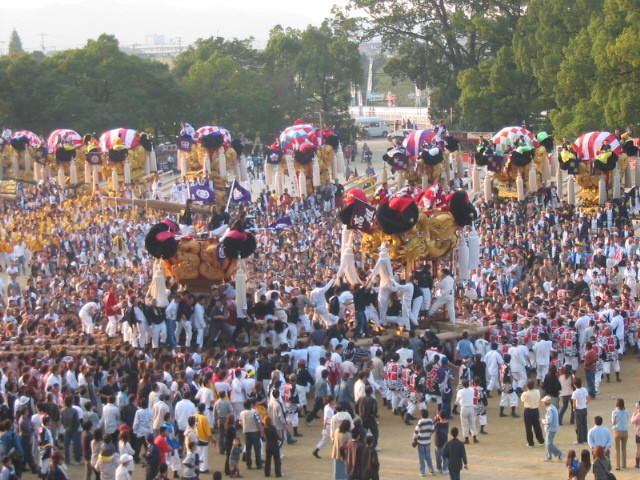
One of Niihama's best-known cultural events is the Niihama Taiko Festival, held every October. The festival features large elaborately decorated portable drum floats paraded and carried through streets by teams of participants. Other attractions recall the city's industrial past and natural setting, including museums and parks that interpret mining history and local ecology.
- Minetopia-style museums and former mine sites that explain mining history
- Seasonal festivals and traditional performances centered on community shrines
- Coastal promenades and mountain trails offering local scenery
Niihama remains notable as an example of a regional Japanese city shaped by natural resources and industrialization, now balancing heritage preservation, community festivals and modern local industry. For further regional context see links to prefectural and island-level resources: Ehime Prefecture, Japan and Shikoku. Municipal details and visitor guidance can be found via the city's official portal at local government.
Related articles
Author
AlegsaOnline.com Niihama: coastal city in Ehime Prefecture, Japan Leandro Alegsa
URL: https://en.alegsaonline.com/art/70171