
Nikkō: mountain city of temples, waterfalls and national park
Nikkō is a mountainous city in Tochigi Prefecture, Japan, known for historic Shinto and Buddhist shrines, scenic waterfalls and Lake Chūzenji within Nikko National Park, popular with visitors and pilgrims.
Overview
Nikkō is a city in the mountains of Tochigi Prefecture in central Honshu, Japan. It is best known for a compact group of richly decorated Shinto and Buddhist buildings, extensive protected natural areas, and scenic features such as waterfalls and alpine lakes. Nikkō combines cultural heritage with outdoor recreation and receives domestic and international visitors year-round.
Image gallery
10 Images




Notable sites and characteristics
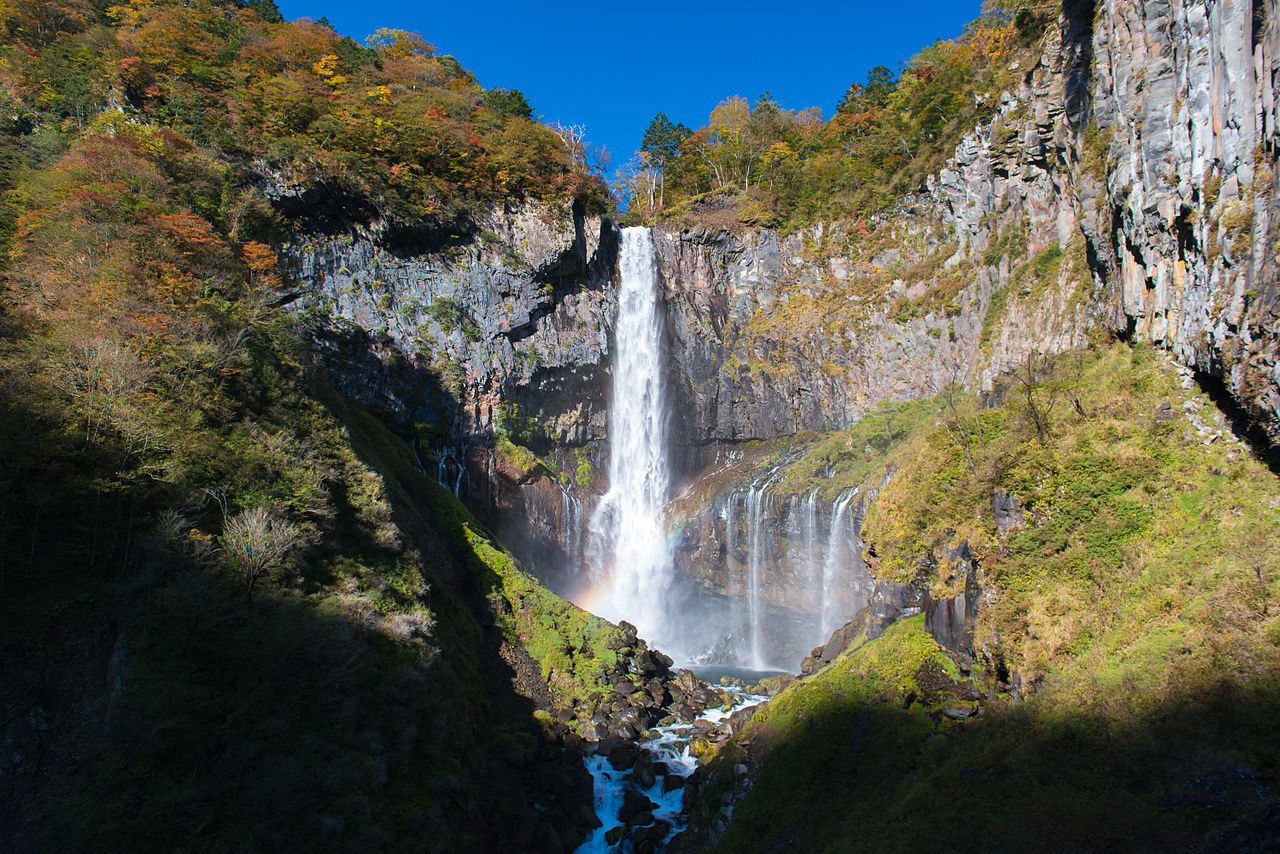
The city's cultural heart includes the Nikkō Tōshō-gū shrine complex, which enshrines Tokugawa Ieyasu, together with other historic temples and mausolea. Many of these structures exemplify elaborate Edo-period craftsmanship and are part of the area recognized for its cultural value. Nearby natural attractions include Lake Chūzenji, Kegon Falls, the volcanic Mount Nantai, and forested hiking routes within Nikko National Park.
History and development
Nikkō's religious and travel significance dates back many centuries; it developed as a pilgrimage destination and later as a focal point for patronage in the Edo period. Roads and passes connecting it to the Kantō plain helped shape its role as both a sacred landscape and a retreat for city dwellers. Conservation efforts in the 20th century established protected parkland around the city.
Visiting and practical information
Visitors commonly reach Nikkō from Tokyo by rail or road for day trips or overnight stays. The area offers museums, traditional inns and hot springs, seasonal foliage viewing, skiing in winter, and organized nature programs. For official travel details and events consult local resources such as the city office or tourism websites: official tourism information, travel guidance, and park authority.
Significance and distinctions
Nikkō is valued both for its concentration of historic religious architecture and for contiguous natural landscapes protected within a national park. Its combined cultural and environmental importance makes it a prominent example of how historical sites can sit within living natural scenery.
Related articles
Author
AlegsaOnline.com Nikkō: mountain city of temples, waterfalls and national park Leandro Alegsa
URL: https://en.alegsaonline.com/art/70190
Sources
- books.google.com : "Nikkō"
- books.google.com : "Tōshōgū" at p. 989
- whc.unesco.org : "Shrines and Temples of Nikkō"