
Ninety Six, South Carolina
Small town in Greenwood County, South Carolina, noted for its Revolutionary War history and the Ninety Six National Historic Site; population 1,998 at the 2010 census.
Ninety Six is a small town in Greenwood County, South Carolina, in the United States. According to the 2010 census, the town had 1,998 residents. It is a rural community with a long local history that has made it a point of interest for visitors studying the colonial and Revolutionary War periods.
Image gallery
10 Images



Name and origins
The origin of the unusual name "Ninety Six" is uncertain and has attracted several explanations. Traditions include references to early distance markers along colonial roads, measurements to Native American towns, or corruption of indigenous place names. No single theory is conclusively proven, and the name remains one of the town's distinctive features.
Historical significance
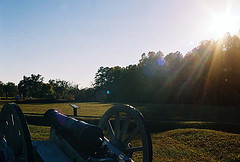
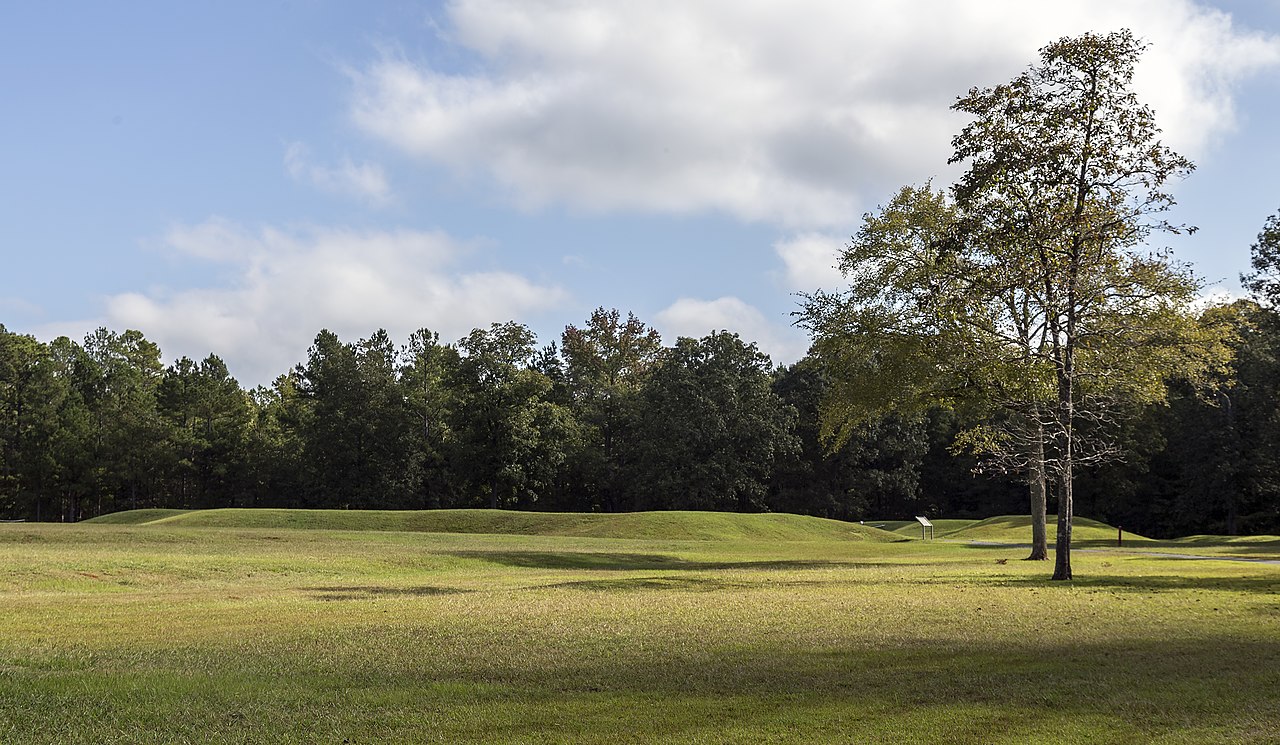
Ninety Six is best known for its role in the American Revolutionary War. The area contains the site of a protracted 1781 siege and a fortified earthen work commonly called the Star Fort. These military earthworks and surrounding battlefield are preserved and interpreted for the public, illustrating frontier warfare, Loyalist and Patriot activity, and colonial frontier settlement patterns.
Geography and community
Located in the Piedmont region of South Carolina, Ninety Six sits among rolling hills and mixed farmland. The town functions as a small service center for its rural surroundings. Demographically it has reflected trends familiar to many small southern towns: modest population, local businesses, churches, and community organizations that anchor civic life.
Attractions and visitor information
- Ninety Six National Historic Site: preserves the Star Fort, battlefield areas, and interpretive trails.
- Historic downtown: a compact town center with architecture and markers that recall its 18th- and 19th-century past.
- Outdoor recreation: walking trails and natural areas near the preserved historic lands.
Visitors interested in American colonial history and battlefield archaeology often use Ninety Six as a case study in small-scale military engineering and the contested frontier of Revolutionary-era South Carolina. The town's name and the surviving fortifications make it a notable point on regional history trails and educational programs.
Related articles
Author
AlegsaOnline.com Ninety Six, South Carolina Leandro Alegsa
URL: https://en.alegsaonline.com/art/70266
Sources
- factfinder2.census.gov : "American FactFinder"