
Nickel(II) carbonate (NiCO3)
Nickel(II) carbonate (NiCO3) is a green, water‑insoluble nickel salt and carbonate mineral precursor used in ceramics, catalysts and chemical synthesis. It decomposes on heating to NiO and CO2.
Overview: Nickel(II) carbonate, commonly written NiCO3, is an inorganic compound that pairs the nickel cation with the carbonate anion. It is often described in chemical references as a simple carbonate compound of nickel. In pure form it appears as a pale to bright green powder and is sparingly soluble in water; it reacts with acids to release carbon dioxide.
Image gallery
4 Images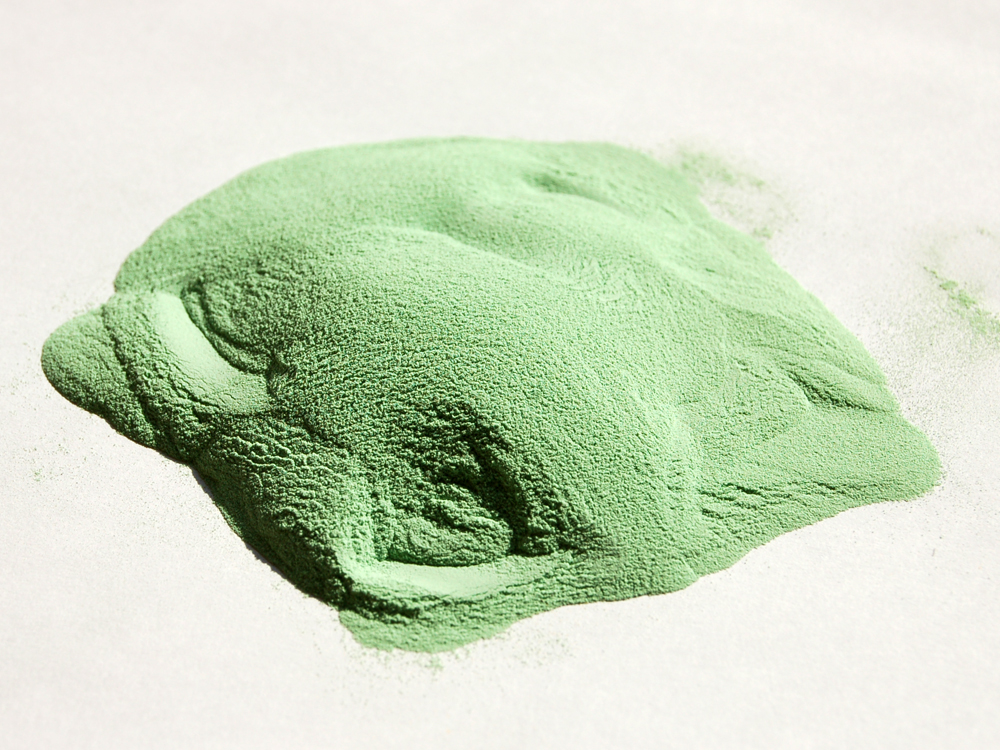


Characteristics
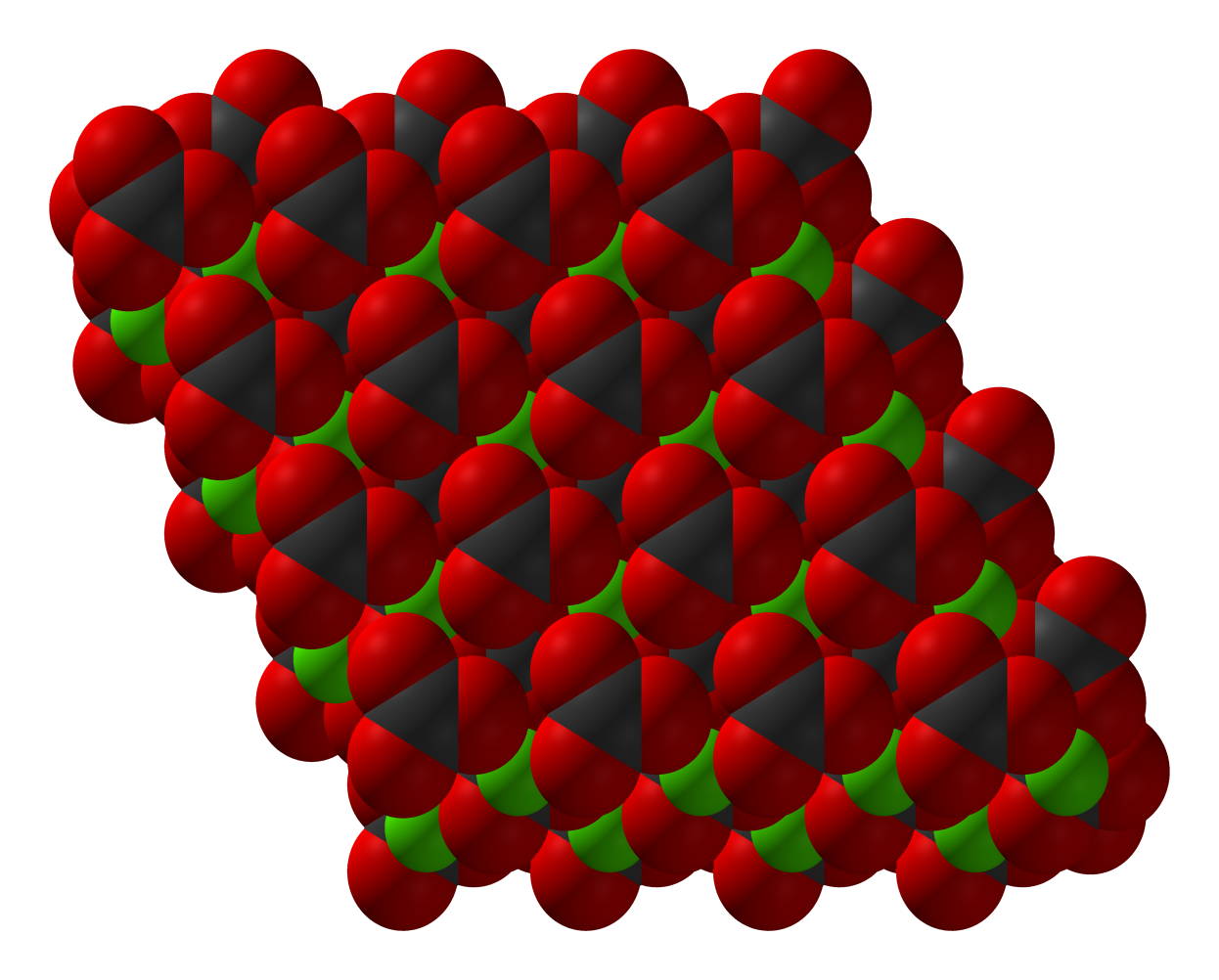
Chemically, the compound contains nickel in the +2 oxidation state; the Ni2+ center is bound to the CO3 2− grouping found in many metal carbonates. For general information on the nickel ion and its behavior see nickel(II). The carbonate ion and its acid–base reactivity are discussed in many inorganic summaries; see carbonate chemistry for typical reactions and solubility behavior.
Typical properties and reactions include:
- Appearance: green crystalline or powder.
- Solubility: insoluble in neutral water, soluble in acids with evolution of CO2.
- Thermal decomposition: on heating it yields nickel oxide (NiO) and carbon dioxide.
Preparation and occurrence
Laboratory preparation is commonly done by adding a soluble carbonate (for example sodium carbonate or ammonium carbonate) to a solution of a nickel(II) salt, producing NiCO3 as a precipitate. It also occurs in nature as the mineral gaspéite; for geological and mineral descriptions see mineral occurrences. Analytical and preparative notes are available in standard inorganic manuals and reagent guides such as laboratory references.
Uses, importance and safety
Nickel(II) carbonate is used primarily as a precursor to nickel oxide for ceramics and catalysts, as a source of nickel in synthesis of other nickel salts, and in some pigment and electrochemical preparations. Because many nickel compounds are skin sensitizers and are classified as hazardous or potentially carcinogenic with chronic exposure, handling requires appropriate protective equipment and waste disposal procedures. Distinct products described as "basic nickel carbonate" or hydroxide‑containing carbonates differ chemically and should not be confused with the simple anhydrous NiCO3 described here.
Related articles
Author
AlegsaOnline.com Nickel(II) carbonate (NiCO3) Leandro Alegsa
URL: https://en.alegsaonline.com/art/69972