
Newburyport, Massachusetts
Coastal city in northeastern Massachusetts at the mouth of the Merrimack River, known for its maritime history, preserved Federal-period downtown, waterfront parks, and cultural festivals.
Newburyport is a small coastal city in Essex County, Massachusetts, at the mouth of the Merrimack River. Located about 35 miles northeast of Boston, it long served as a regional shipbuilding and trading port. The city listed 17,416 residents at the 2010 census and today combines a historic downtown with working marinas, shoreline parks, and nearby barrier beaches.
Image gallery
10 Images


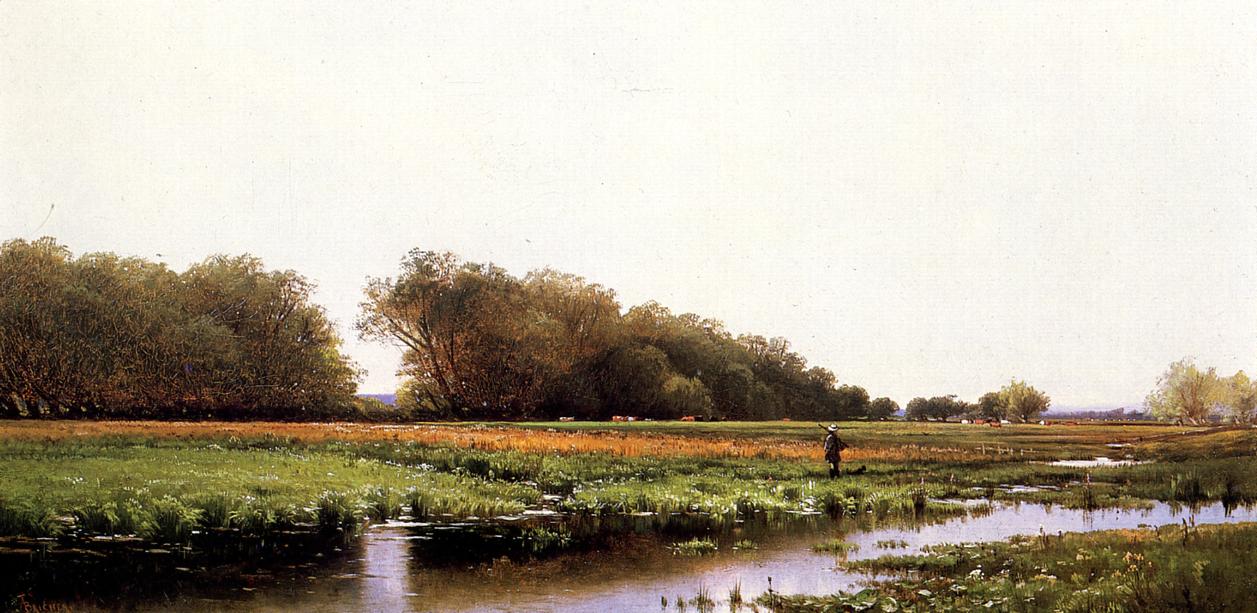
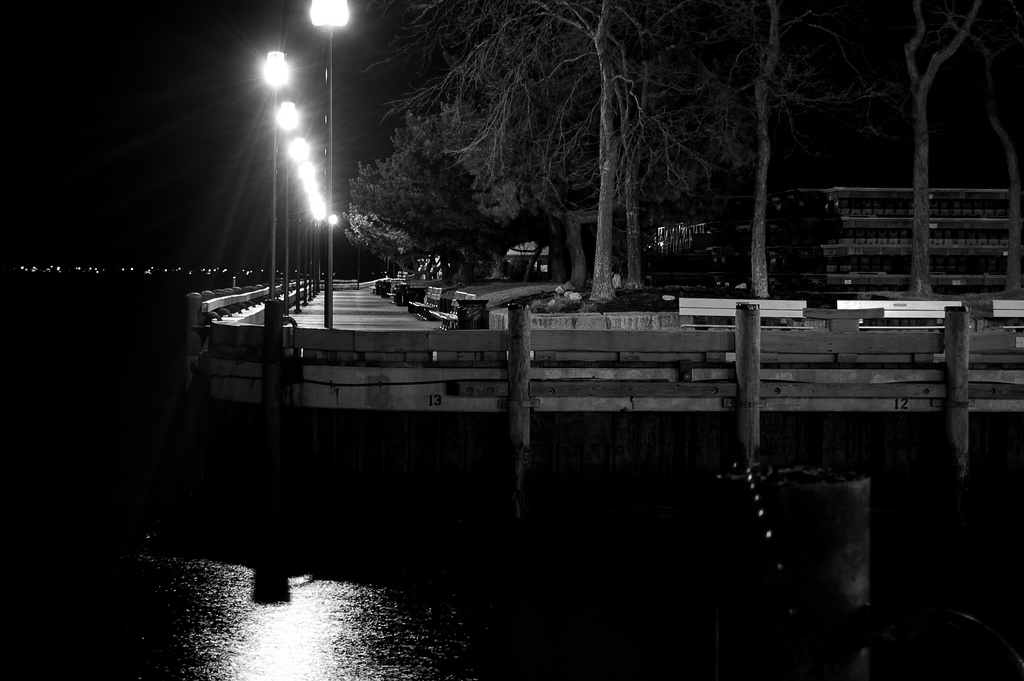
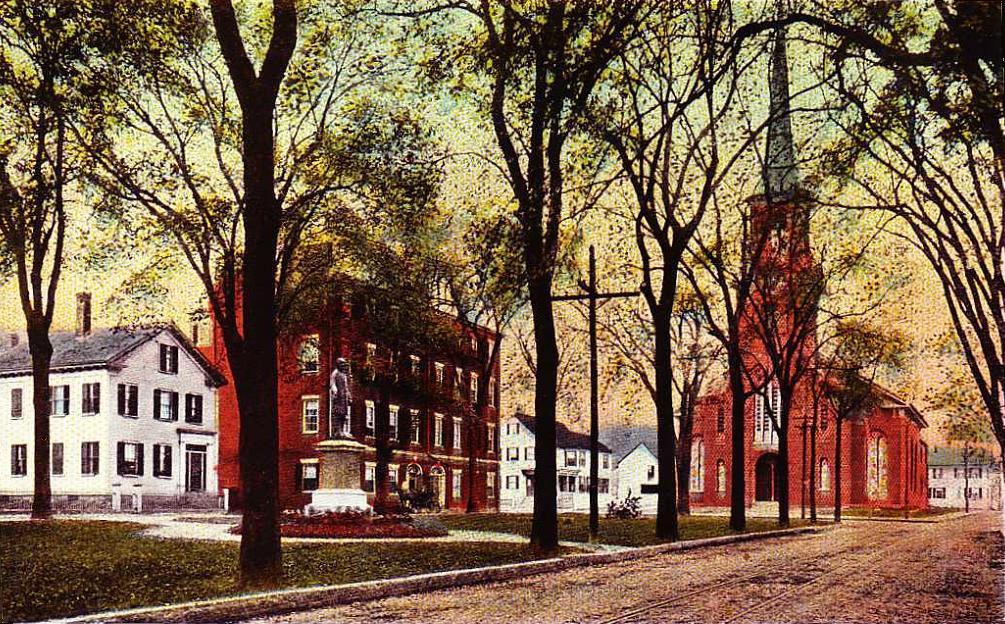


Origins and historical development
Originally part of the larger Newbury settlement, Newburyport was incorporated as a separate borough in the 18th century and grew rapidly during the colonial and early Republic eras. Its deep harbor and access to timber and coastal trade made it an important center for shipbuilding, commerce, and privateering. Many buildings from the Federal period survive, giving the downtown a well-preserved architectural character that shaped later preservation and revitalization efforts.
Geography and notable places
Newburyport sits where the Merrimack River meets the Atlantic, with an active waterfront and several parks overlooking the harbor. Nearby natural attractions include Plum Island, a long barrier beach and wildlife refuge, and the Parker River National Wildlife Refuge, both popular with birdwatchers and beachgoers. The downtown riverfront offers promenades, seafood restaurants, and historic wharves.
Economy, culture and events
The local economy blends tourism, service businesses, maritime activities, and small manufacturing. Newburyport hosts seasonal festivals and community events that draw regional visitors; one of the best-known is the long-running summer celebration that features parades, markets, and waterfront activities. The city also supports galleries, independent shops, and a lively dining scene.
Transportation and access
Newburyport is accessible by regional roads and commuter rail, with the MBTA Newburyport/Rockport Line terminating at the city station, providing direct service to Boston. Local transit and bicycle-friendly routes connect neighborhoods, while marinas and waterfront facilities support boating and commercial activities.
Preservation and modern character
In the late 20th century Newburyport undertook prominent preservation and downtown renewal projects that stabilized historic structures and encouraged adaptive reuse. The result is a compact city where historic architecture, civic life, and coastal recreation coexist. For more civic information and visitor resources see the official municipal site: City of Newburyport.
- Highlights: waterfront promenades, Federal-period streetscapes, Plum Island beaches
- Activities: boating, birding, dining, seasonal festivals
- Access: commuter rail, regional roads, local transit
Related articles
Author
AlegsaOnline.com Newburyport, Massachusetts Leandro Alegsa
URL: https://en.alegsaonline.com/art/69727