
Netscape Navigator: pioneering 1990s web browser and its legacy
Netscape Navigator was a leading web browser of the mid‑1990s that introduced key Web technologies, sparked the first browser wars with Internet Explorer, and later became the foundation for the Mozilla open source project.
Netscape Navigator was a flagship web browser of the early World Wide Web era. First shipped in 1994, it rapidly became the dominant consumer browser thanks to a user‑friendly interface and support for emerging Web features. For several years it helped shape how people accessed and experienced the Web, and its name remains associated with the formative period of online services and sites. Learn more about Netscape Navigator.
Image gallery
4 Images


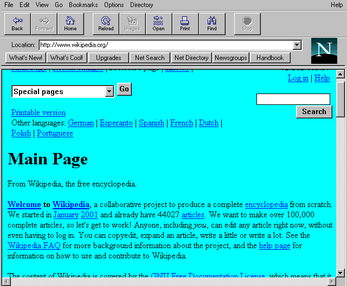
Origins and development
Netscape began as a commercial project spun out of the same community that produced the original Mosaic browser. The company behind the product released the first public builds in 1994, and those early versions established many of the conventions browsers use today. The product history includes a shift from proprietary code to an open‑source approach when the company released its source base in the late 1990s to foster community development. See the announcement of the initial release: 1994 release, and the later move toward open development: open source transition.
Key features and innovations
Netscape was notable for integrating several technologies and practices that became central to the Web. It popularized inline images and improved graphical rendering, and contributed to or popularized client‑side scripting and session management. Among the most influential innovations associated with Netscape are JavaScript (a lightweight scripting language created to enable interactive pages), the early use of cookies for session state, and the development of the Secure Sockets Layer (SSL) protocol for encrypted communications. These advances made richer, more interactive, and more secure web applications possible.
Competition and the browser wars
During the mid‑1990s Netscape faced rapidly intensifying competition from Microsoft. Internet Explorer challenged Netscape’s lead, and Microsoft integrated its browser with the Windows operating system, a strategy that affected market dynamics as Windows evolved. The competition accelerated innovation but also led to aggressive platform bundling: Internet Explorer gained users as Microsoft bundled its browser into later Windows releases such as Windows 98, contributing to shifts in market share and sparking legal and regulatory scrutiny. For context on market changes, see this overview: market developments.
Legacy and influence
Although Netscape’s usage declined by the end of the 1990s, its technical and cultural impact endured. The company’s decision to release its source fostered the Mozilla project, which later produced browsers such as Firefox. Concepts introduced or popularized by Netscape—client scripting, cookies, SSL/TLS, and a focus on usability—remain core to web platforms. Developers and historians often cite Netscape as a defining influence of the Web’s formative years.
Today Netscape Navigator is remembered both as a commercial product and as a catalyst for open‑source browser development. Its story illustrates how early design choices, platform competition, and community collaboration shaped the modern Internet.
Related articles
Author
AlegsaOnline.com Netscape Navigator: pioneering 1990s web browser and its legacy Leandro Alegsa
URL: https://en.alegsaonline.com/art/69272