
Necrophilia
Necrophilia — a paraphilia involving sexual attraction to corpses — explained: types, clinical perspective, legal issues, historical notes, forensic and ethical concerns.
Necrophilia is a paraphilia defined by persistent sexual interest in dead bodies. The behavior ranges from private, intrusive fantasies to physical contact with a corpse. Because it involves a deceased person who cannot consent, necrophilia raises strong ethical objections and is treated as a serious social and legal problem in many places.
Image gallery
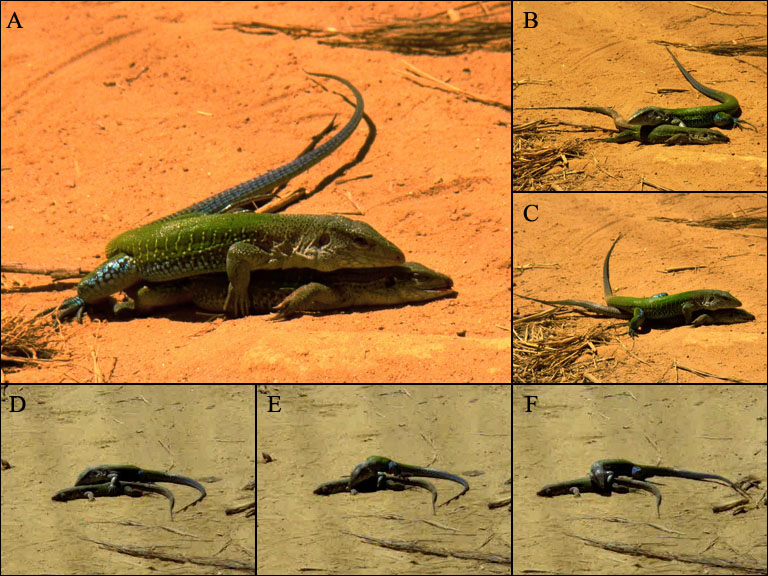
3 Images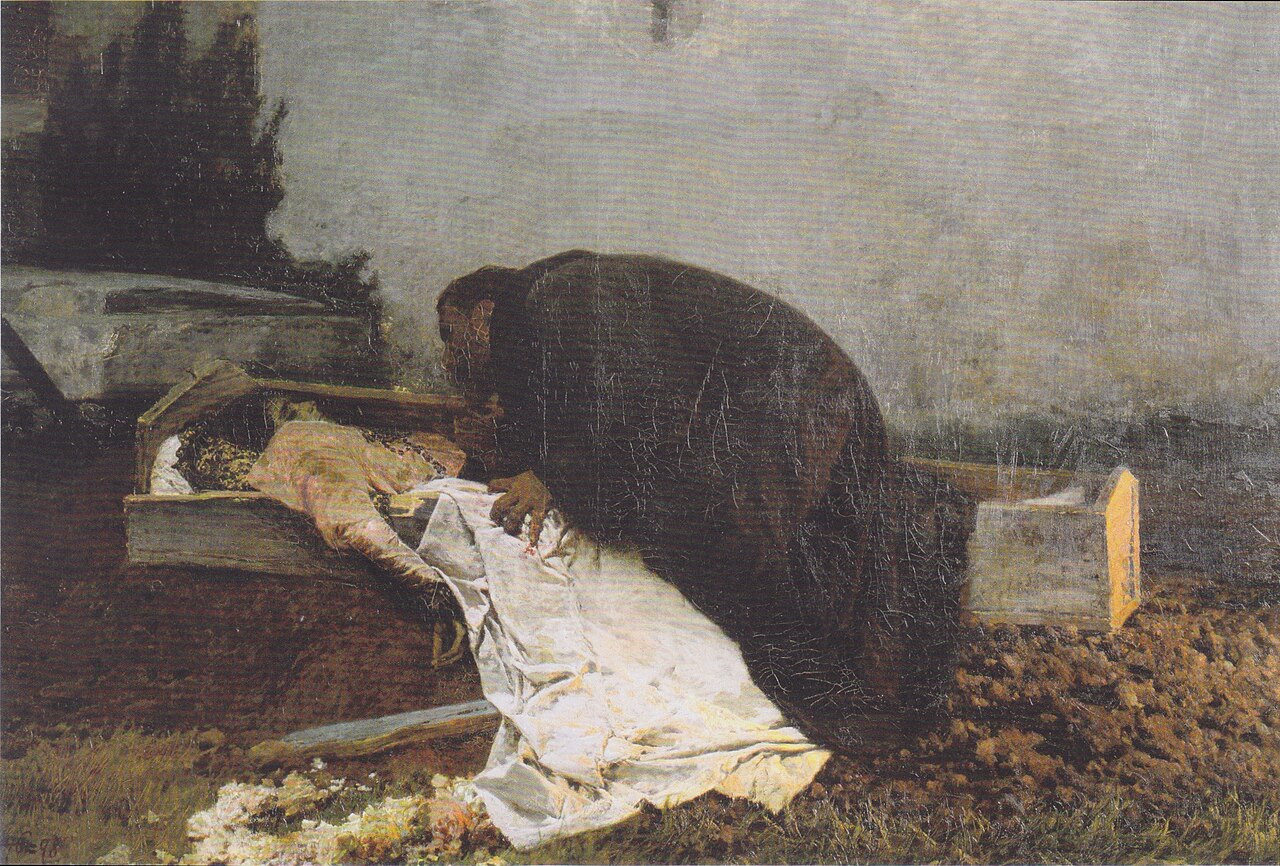

Forms and characteristics
Forensic and clinical writings describe several patterns: purely imagined or fantasy-based interest; voyeuristic or fetishistic use of images or objects associated with corpses; non-contact acts such as touching or posing a body; and contact sexual acts. In rare and extreme cases a perpetrator may kill to obtain access to a body. Motivations can vary and do not always imply criminal violence prior to the act.
History and cultural references
References to attraction to the dead appear sporadically in folklore, art and literature across cultures, often as a literary device to explore taboo, grief, or obsession. Historical accounts are uneven and frequently sensationalized; academic researchers caution that myths and anecdote should not be taken as reliable measures of frequency.
Legal, forensic and public‑health aspects
- Legality: Many jurisdictions criminalize abuse or desecration of a corpse and may have specific statutes addressing sexual acts with the dead. Laws vary by country and state.
- Forensic importance: Evidence of necrophilic activity can arise during death investigations and may alter the reconstruction of events or indicate motive in homicides.
- Health risks: Handling of corpses without precautions poses communicable‑disease risks to perpetrators and responders.
Clinical understanding and responses
In psychiatry necrophilia is regarded as a paraphilic interest; it only becomes a clinical disorder when it causes distress, impairment, or involves nonconsenting parties. Explanations discussed in the literature include complex interactions of personality, sexuality, and early experience. Interventions prioritise risk management, psychosocial treatment, and sometimes medication to reduce compulsive sexual behaviour.
Because public discussion is sensitive and often sensational, reliable overviews and professional guidance are recommended for further reading: see clinical resources and forensic summaries at specialist sites.
Related articles
Author
AlegsaOnline.com Necrophilia Leandro Alegsa
URL: https://en.alegsaonline.com/art/68968