
Neurosis: concept, history, symptoms, and modern classification
Neurosis is an historical psychiatric term for non-psychotic emotional disorders marked by distress and functional impairment. Modern systems reclassify many neuroses as anxiety and related disorders.
Overview
Neurosis is a broad, historical label for a set of psychological conditions in which a person experiences persistent emotional distress, but does not lose contact with reality through delusions or hallucinations. The term originally grouped patterns of excessive anxiety, phobias, obsessive behaviors, mood instability and other forms of chronic mental suffering that fall short of psychosis. In clinical usage the word has declined, yet it remains useful in general discussion to describe non-psychotic mental suffering and tendencies toward anxiety or compulsive coping.
Image gallery
9 Images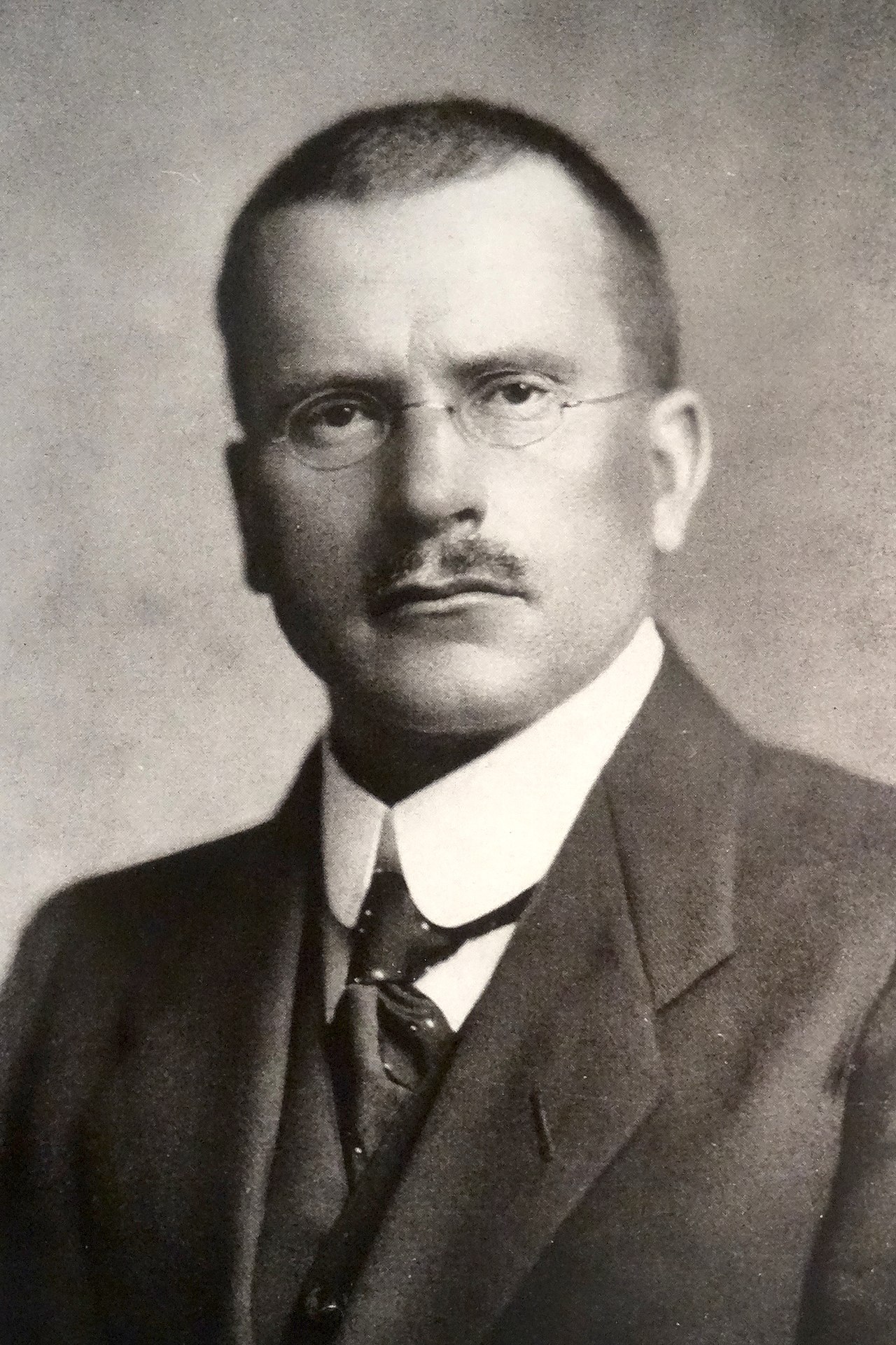





Core characteristics and common presentations
Disorders described as neurotic typically share several features: internal distress, exaggerated responses to stress, preoccupation with fears or worries, and behaviors aimed at reducing anxiety rather than addressing external reality. Unlike psychotic conditions, the person’s behavior usually remains within socially accepted norms and their basic grasp on reality is preserved. Common presentations historically labeled as neuroses include chronic anxiety, panic attacks, phobic avoidance, obsessive thoughts and compulsive rituals, and somatic complaints without a clear medical cause.
- Emotional symptoms: persistent worry, irritability, low mood.
- Behavioral patterns: avoidance, reassurance-seeking, repetitive rituals.
- Cognitive features: rumination, catastrophic thinking, exaggerated threat appraisal.
- Physical signs: sleep disturbance, muscle tension, gastrointestinal complaints.
History and evolution of the concept
The term neurosis dates back to the 18th century and was popularized by early physicians to name disorders thought to arise from nervous system dysfunction. Over the 19th and 20th centuries it became central to psychoanalytic and clinical descriptions of anxiety and conflict-related conditions. Influential clinicians and theorists used the label to link symptoms to underlying intrapsychic dynamics and maladaptive coping strategies. As psychiatric classification systems developed, however, the broad category proved imprecise for diagnostic and research purposes.
Modern classification and controversy
Contemporary diagnostic manuals have moved away from the umbrella term. For example, revisions in major diagnostic systems emphasized specific symptom-based categories rather than the older neurosis label. The American Psychiatric Association’s diagnostic manual is one such system that shifted terminology and organization to focus on distinct anxiety, mood and trauma-related disorders; see the manual for details via official descriptions. This reclassification remains debated among clinicians and historians of psychiatry because it changes how severity, cause and treatment are conceptualized.
Importance, treatment, and distinctions
Although the word is less prominent in formal diagnosis, the phenomena it described are still clinically important. Treatments that address neurotic symptoms include cognitive-behavioral therapy, exposure techniques, psychodynamic psychotherapy, stress management, and, when indicated, medication. Emphasizing symptom patterns rather than a single label helps tailor interventions. Distinguishing neurosis-like conditions from psychotic disorders depends on the absence of persistent delusions and hallucinations; for clarity on those terms see delusions and hallucinations. The central feature remains significant internal distress—an aspect highlighted in some descriptions and resources linked as distress.
Notable facts and further reading
Key points to remember: neurosis is an historical, umbrella term; modern psychiatry tends to classify related conditions into specific anxiety, mood or somatic categories; and the change in terminology reflects shifts toward observable criteria and empirical research. Many resources summarize these developments and current approaches; for background on how old categories map onto contemporary diagnoses consult summaries of anxiety and related disorders and diagnostic manual overviews at official sources.
Related articles
Author
AlegsaOnline.com Neurosis: concept, history, symptoms, and modern classification Leandro Alegsa
URL: https://en.alegsaonline.com/art/69365
Sources
- mercksource.com : neurosis
- saylor.org : saylor.org/site/wp-content/uploads/2011/01/TLBrink_PSYCH11.pdf
- webspace.ship.edu : "A Bio-social theory of neurosis"