
Oneirology: the scientific study of dreams
Oneirology is the scientific investigation of dreams: their neural basis, content, functions, measurement, and clinical relevance, distinct from symbolic interpretation or divination.
Oneirology is the scientific study of dreams and the processes that produce them. The word derives from Greek — ὄνειρον (oneiron, "dream") combined with -λογία (-logia, "study") — and focuses on describing, measuring and explaining dreaming as a biological and psychological phenomenon rather than assigning symbolic meanings. Researchers ask when and why dreams occur, what brain systems generate dream imagery, how dreams relate to waking memory and emotion, and how dreaming changes across the lifespan or in neurological and psychiatric disorders. The term is often contrasted with oneiromancy or non-scientific interpretation, which seeks divinatory or purely symbolic readings of dream content.
Image gallery
2 Images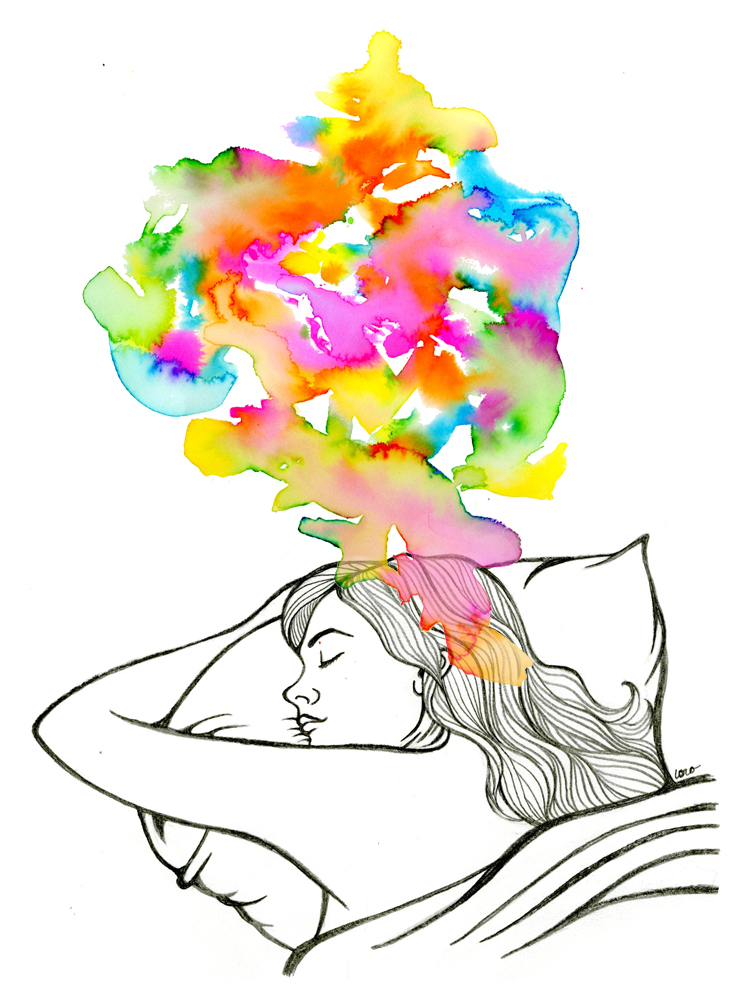
Core features and what is studied
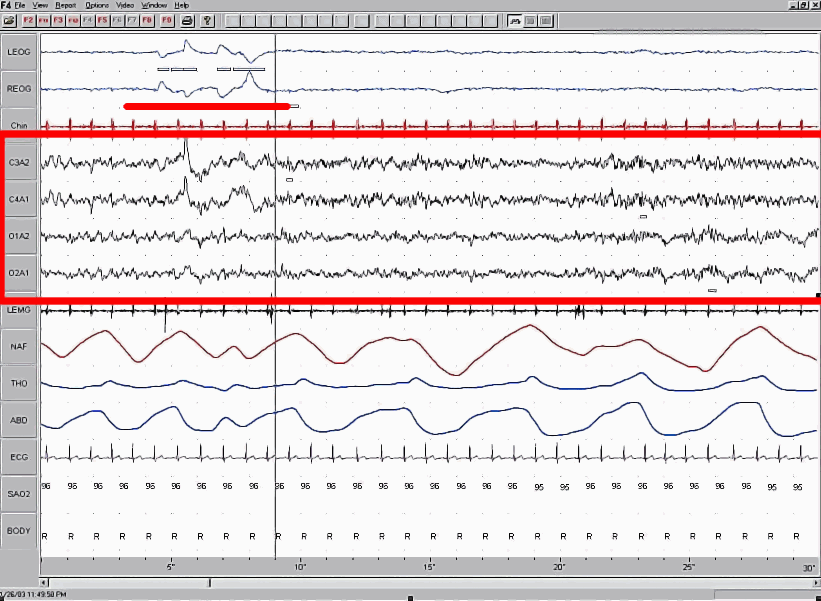
Dreams most commonly occur during rapid eye movement (REM) sleep, a state characterized by low-amplitude mixed-frequency brain waves, muscle atonia, and bursts of eye movement. However, vivid dreams can also arise in non-REM stages. Oneirology examines the phenomenology of dreams (imagery, narrative structure, emotion, bizarreness), their neural correlates, and the processes that determine whether a dream will be recalled. Topics include dream content analysis, the role of dreams in memory consolidation and emotional processing, lucid dreaming (when the dreamer becomes aware of dreaming), and how pharmacological agents or sleep disorders alter dreaming.
Methods and approaches
Researchers combine behavioral and physiological techniques: polysomnography and electroencephalography (EEG) to identify sleep stages; functional neuroimaging (fMRI, PET) to locate active brain regions during REM and related states; and experience-sampling methods such as dream diaries and awakenings to collect reports. Content-coding systems are applied to large corpora to quantify themes and patterns. Experimental paradigms can include targeted awakenings to capture immediate reports, induction techniques to study lucid dreams, and controlled exposure to learning tasks to test whether dream content reflects memory consolidation.
History and theoretical development
Interest in dreams spans millennia, from ancient observations to systematic inquiry. Modern scientific oneirology grew in the mid-20th century after the discovery of REM sleep by Aserinsky and Kleitman, which linked a physiological state to frequent vivid dreaming. Psychoanalytic traditions (notably Freud and Jung) emphasized symbolic interpretation and influenced early thinking, but oneirology developed into an empirical discipline that tests hypotheses about brain mechanisms. Prominent scientific models include the activation-synthesis hypothesis, which proposes that dreams arise from brainstem-driven activity interpreted by higher centers, and cognitive and evolutionary accounts that emphasize memory processing, emotional regulation, or rehearsal of threat scenarios. These models are complementary rather than universally accepted, and debate continues about the adaptive functions of dreaming.
Applications and clinical relevance
Oneirology has practical implications for mental health and sleep medicine. Persistent nightmares can be a symptom of post-traumatic stress disorder (PTSD) and other conditions; therapies that include lucid dreaming techniques or imagery rehearsal aim to reduce nightmare frequency and distress. Studying dreaming also helps clarify effects of medications and substances that suppress or alter REM sleep, and contributes to understanding disorders such as narcolepsy. In cognitive neuroscience, correlations between dream content and recent waking experiences are used to probe how the brain consolidates and reorganizes memories.
Distinctions, notable facts, and ongoing questions
- Distinction: Oneirology is empirical and descriptive; it differs from symbolic dream interpretation and divination.
- REM and vivid dreams: REM is strongly associated with visual and emotional dreams, but NREM dreams occur and can be meaningful.
- Lucid dreaming: A measurable state with growing experimental protocols; it has therapeutic and research uses.
- Recall and content: Dream recall is influenced by awakening timing, sleep stage, and individual differences; content analyses reveal recurring themes across cultures.
For further reading about the linguistic origin of the term and general information about dreams, see entries linked as ὄνειρον and dreams. Oneirology remains an active interdisciplinary field that connects neuroscience, psychology and clinical practice while continuing to evaluate why human brains generate the vivid, often puzzling experiences we call dreams.
Related articles
Author
AlegsaOnline.com Oneirology: the scientific study of dreams Leandro Alegsa
URL: https://en.alegsaonline.com/art/72620