
Near‑death experience
A near‑death experience (NDE) is a reported subjective event occurring around the time of death, featuring vivid perceptions and altered consciousness. Accounts vary widely and inspire medical, psychological and spiritual debate.
A near‑death experience (NDE) is a reported set of perceptions, thoughts and sensations that some people describe during episodes of life‑threatening illness, severe injury, cardiac arrest or when they are close to death. Reports are highly personal and vary from brief impressions to long, vivid narratives. Many accounts emphasize a sense of peace, a review of one’s life, encounters with light or beings, and feelings of separation from the body. Some witnesses describe scenes interpreted as heaven or, less commonly, hell, while others report purely non‑religious imagery.
Image gallery
5 Images


Common features and variations
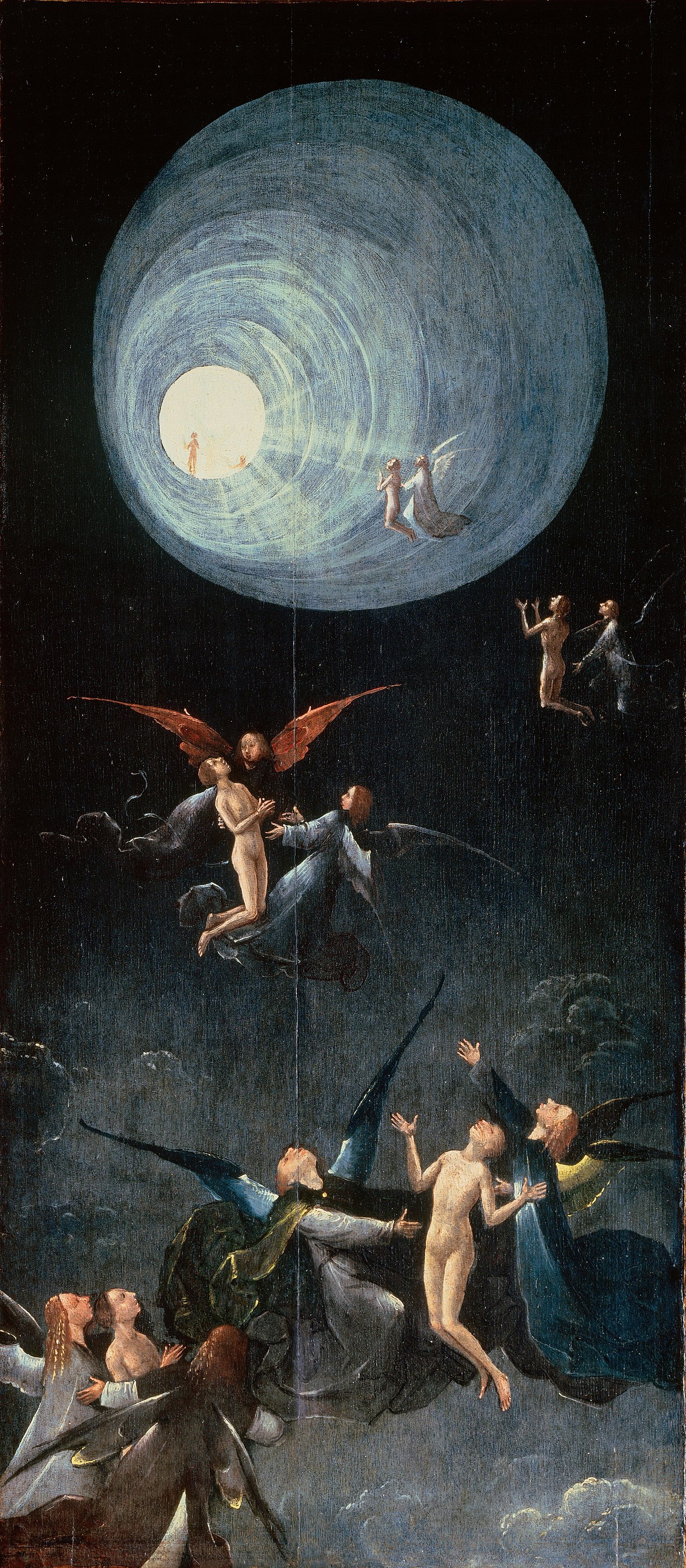
Although no single element appears in every report, researchers have noted recurring themes. Typical elements include a loss of bodily awareness or an out‑of‑body sensation; movement through a tunnel or toward a bright light; a panoramic life review; contact with deceased relatives or spiritual beings; and an altered sense of time. The intensity, emotional valence and cultural framing of these elements differ from person to person and across societies.
History and popularization
The phrase "near‑death experience" came into common use in the mid‑20th century and was popularized after the publication of Raymond Moody’s influential book Life After Life in 1975, which collected numerous first‑hand accounts and suggested common patterns. Since then, NDEs have been documented in medical case reports, patient narratives and interviews worldwide. Interest spans fields as diverse as medicine, psychology, theology and anthropology.
Explanations and research
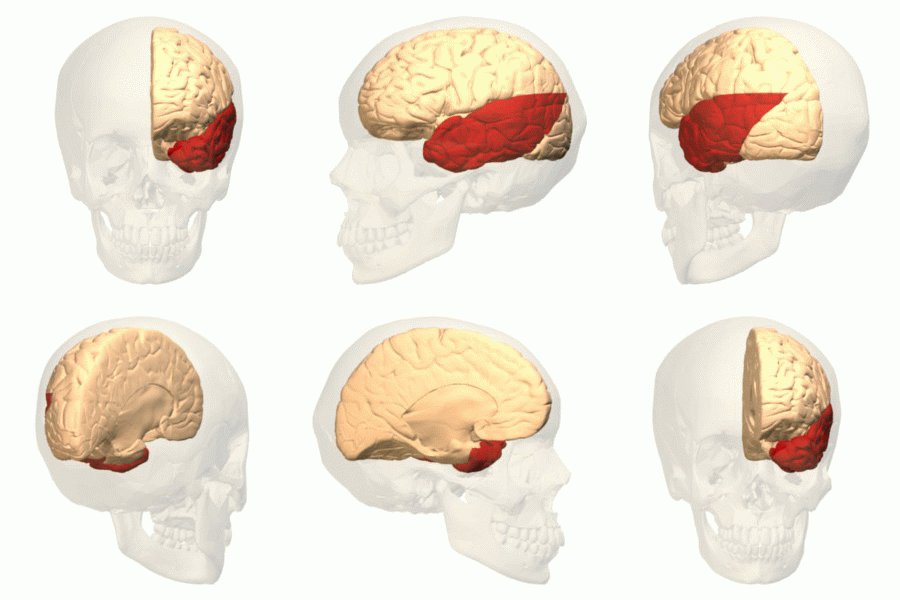
- Physiological: proposed mechanisms include brain hypoxia, neurotransmitter release, and abnormal activity in specific brain regions during trauma or reduced blood flow.
- Psychological: some researchers emphasize dissociation, memory construction, or the brain’s coping responses under extreme stress.
- Spiritual and existential: others interpret NDEs as evidence of an afterlife or non‑material dimensions of consciousness, a view that many find meaningful though scientifically contested.
Empirical study faces methodological challenges: experiences are subjective, often reported after recovery, and influenced by cultural expectations. Controlled experimental replication is difficult, so consensus remains elusive. Nevertheless, systematic interviewing and standardized scales have advanced comparative study.
Significance and cultural impact
NDEs can profoundly affect survivors’ attitudes, producing lasting changes in worldview, reduced fear of death, or altered priorities. They have influenced popular culture, spiritual movements and clinical conversations about end‑of‑life care. Clinicians often consider NDE narratives when providing psychological support to patients and families.
Controversies and distinctions
Debate continues over whether NDEs reflect brain states, spiritual realities, or a blend of influences. Critics caution against overgeneralization, noting that memory errors, suggestion and the meaning individuals assign to events shape reports. Scholars distinguish NDEs from hallucinations, dreams and delirium by context and content, but boundaries can be indistinct.
For further reading and primary accounts, see historical collections and current interdisciplinary reviews that explore medical data, personal testimony and cultural interpretation of NDEs.
Author
AlegsaOnline.com Near‑death experience Leandro Alegsa
URL: https://en.alegsaonline.com/art/68925