
Life After Life (1975) — Raymond Moody and the study of near-death experiences
Overview of Raymond Moody's 1975 book Life After Life, its method, core themes of near-death experiences, reception, influence, and subsequent work.
Overview
Life After Life is a 1975 book by psychiatrist Raymond Moody that brought widespread attention to accounts of near-death experiences (NDEs). Moody compiled interviews with people who reported striking subjective experiences at times of clinical death or extreme physiological crisis. The book presents patterns that recur across many accounts and argues these reports merit serious consideration.
Image gallery
1 Image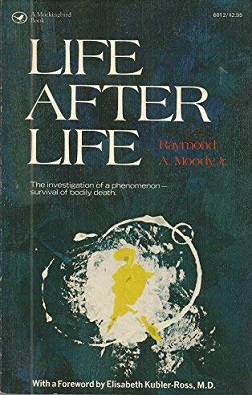
Method and content
Moody gathered dozens of first-person narratives and organized them to highlight common themes rather than to test a controlled hypothesis. He described phenomena such as out-of-body perception, movement through a tunnel, encounters with a luminous presence, a life review, and a sense of transcendence. His approach was qualitative and anecdotal, intended to document what experiencers described rather than to explain the physiological or psychological mechanisms behind the reports.
Common elements reported
- Out-of-body awareness — seeing one's body from outside.
- Passage through a tunnel or darkness toward light.
- Encounters with beings, dead relatives, or a compassionate presence.
- A panoramic life review or sense of profound understanding.
- Return to the body with reluctance or a choice to remain.
Reception and influence
Life After Life became an international bestseller, selling millions of copies and popularizing the study of NDEs. It inspired further books, clinical surveys, and interdisciplinary interest from psychologists, philosophers, theologians, and neuroscientists. At the same time, critics raised methodological concerns: reliance on retrospective testimony, selection bias, and alternative explanations rooted in physiology, drugs, or cultural expectations.
Later work and legacy
Moody followed the original book with further publications, including Reflections on Life After Life (1977), and his name is often associated with the modern discussion of near-death phenomena. Scholars continue to debate whether NDEs point to an afterlife, are products of brain function during extreme stress, or reflect a mix of psychological and social factors. For summaries of research trends and various interpretations, see resources on near-death experiences.
Significance
Regardless of one's interpretation, the book's principal significance lies in bringing subjective reports about dying into public and scholarly conversation. It changed how many people think about death, influenced hospice care discussions, and led to more systematic attempts to study consciousness at the borders of life and death.
Related articles
Author
AlegsaOnline.com Life After Life (1975) — Raymond Moody and the study of near-death experiences Leandro Alegsa
URL: https://en.alegsaonline.com/art/57875
Sources
- books.google.com : Handbook of Death and Dying
- jstor.org : Review: Beyond Death: The Rebirth of Immortality
- theage.com.au : Towards the light
- books.google.com : An introduction to parapsychology
- books.google.com : Life Everlasting
- books.google.com : The near-death experience: a reader