
New Jersey Department of Transportation
State agency responsible for planning, building and maintaining New Jersey's highway system and managing safety, traffic operations, capital projects and interagency coordination.
The New Jersey Department of Transportation (NJDOT) is the state agency charged with overseeing New Jersey's highway network, transportation planning and related public works. It sets policy, develops capital programs and delivers projects that maintain and improve roads, bridges and traffic systems. The department is led by a Commissioner of Transportation, an executive appointed by the governor; Diane Gutierrez-Scaccetti has served as commissioner in recent years. For official information and public resources see the department website.
Image gallery
2 Images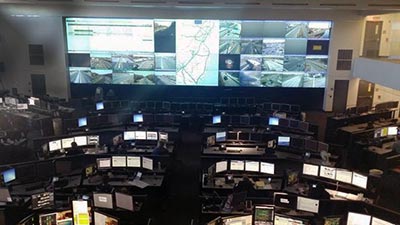

Primary responsibilities
NJDOT's core activities focus on the safe and reliable movement of people and goods on state-managed roadways. Typical responsibilities include:
- Planning and programming capital investments for pavement, bridges and interchanges.
- Design, construction and routine maintenance of state highways and associated structures.
- Traffic operations, signals, signage and incident response to reduce congestion and improve safety.
- Winter operations for state routes and emergency management coordination during storms and disasters.
- Permitting, access management and environmental review for projects that affect land and waterways.
Organization and funding
The department is organized into divisions that handle planning, design, construction, asset management and operations. Funding comes from a mix of state transportation revenues and federal grants; projects are often packaged into multi-year capital programs. NJDOT works with county and municipal governments, metropolitan planning organizations and federal agencies to align investments with regional needs.
History and role in the transportation system
Over decades, NJDOT has evolved from a focus on basic roadbuilding to a broader role that emphasizes safety, multimodal connectivity and environmental stewardship. It coordinates with separate authorities and agencies—such as the New Jersey Turnpike Authority, the Garden State Parkway operator and NJ Transit—which manage toll facilities and public transit, respectively. This division of responsibilities is important for understanding who operates which parts of the state's transportation network.
Importance and current challenges
NJDOT plays a central role in economic activity and daily mobility by maintaining critical corridors and addressing system vulnerabilities. Current challenges include aging infrastructure, rising maintenance backlogs, congestion in urban corridors, climate resilience for coastal and flood-prone areas, and integrating new technologies like traffic management systems and bicycle and pedestrian facilities. The department’s projects directly affect safety, freight movement and regional growth.
Notable functions and public interaction
In addition to construction and maintenance, NJDOT provides public information about road conditions, construction schedules and safety campaigns. It issues permits for work in the right-of-way and guides local governments on access and design standards. Residents and stakeholders can follow project planning, public meetings and procurement notices through the department’s communications channels and its online portal.
Related articles
Author
AlegsaOnline.com New Jersey Department of Transportation Leandro Alegsa
URL: https://en.alegsaonline.com/art/69542
Sources
- nj.gov : About NJDOT
- nj.gov : "New Jersey Department of Transportation Statewide Mileage"