
National Party of Australia
Centre-right political party representing regional and rural Australia, historically the Country Party; often the junior coalition partner of the Liberal Party and focused on agricultural and regional issues.
The National Party of Australia is a centre-right political party that principally represents rural and regional communities across Australia. It is commonly described as the country's third-largest party in terms of parliamentary presence and has traditionally acted as the junior partner in a coalition with the Liberal Party (Liberal–National Coalition). The party stresses policies that favour agricultural industries, regional infrastructure and services, and the economic interests of non-metropolitan voters.
Image gallery
10 Images



Origins and development
The party began as the Country Party in the early 20th century, emerging from organisations that sought political representation for farmers and rural communities. In 1975 it adopted the name National Country Party, and in 1982 it shortened this to the National Party of Australia to reflect a broader regional focus beyond strictly agricultural issues (name changes and timeline). Throughout its history the party has adapted to changing rural economies and social conditions while retaining a core constituency among non-urban voters.
Organization and coalition role
The National Party operates as a federation of state and territory branches, each with its own structures and priorities, but coordinated federally for national elections and policy. When the Coalition forms government, the Nationals typically serve as the junior partner; by long-standing convention the leader of the Nationals takes the office of Deputy Prime Minister. That arrangement has shaped bargaining over portfolios and policy priorities at the national level.
Policy focus and voter base
National Party policy emphasis tends to include:
- Support for agriculture, rural industries and primary producers.
- Investment in regional infrastructure, health and education services.
- Measures to support small towns, local employment and connectivity.
- Often more protectionist or regionally targeted economic measures than its coalition partner.
Its voters are concentrated outside capital cities, with particular strength in states such as Queensland and in many farming regions. In some jurisdictions the relationship with the Liberals is formalised or merged at state level—for example the two parties combined in Queensland to form the Liberal National Party of Queensland.
Historical influence and notable leaders
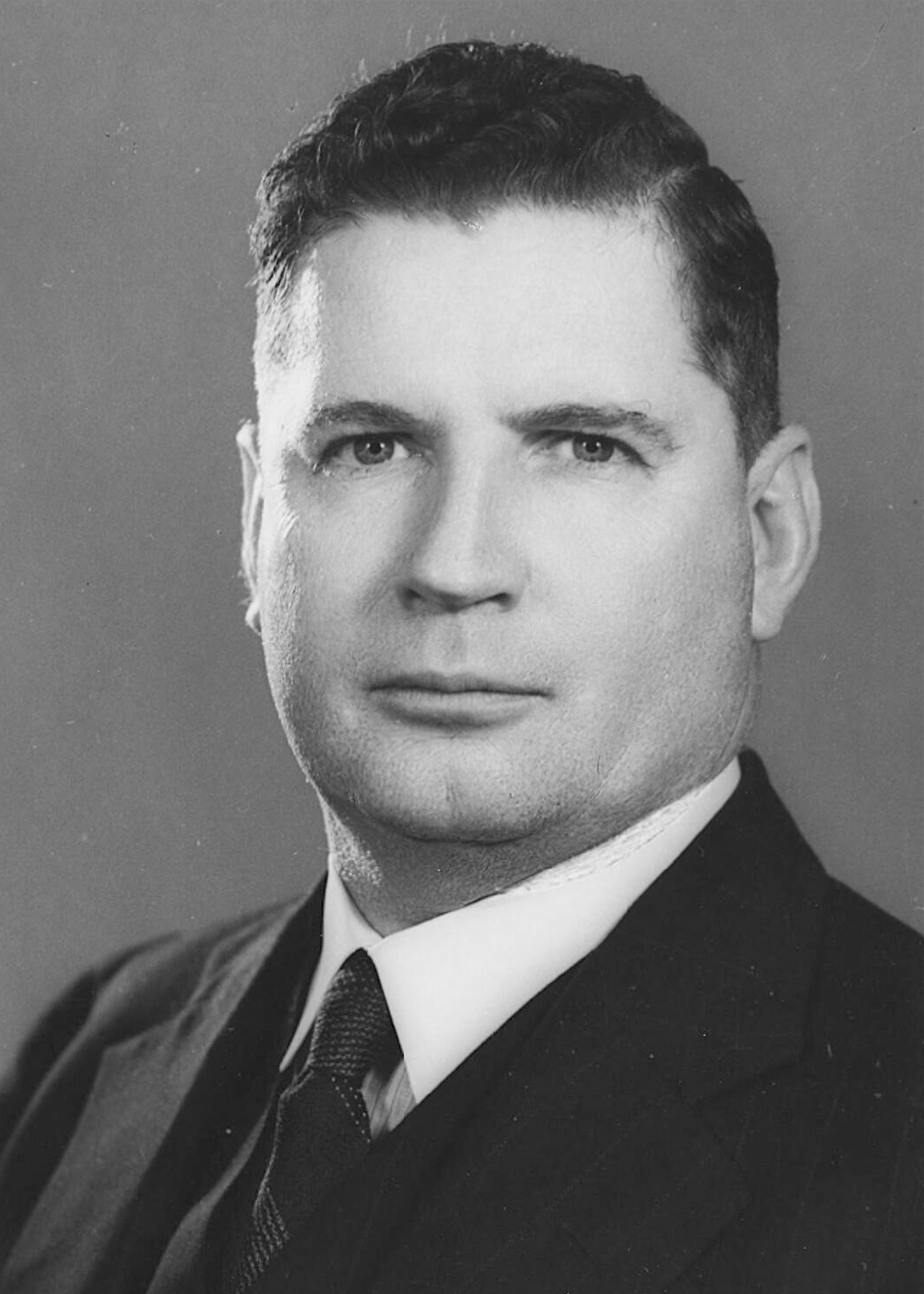
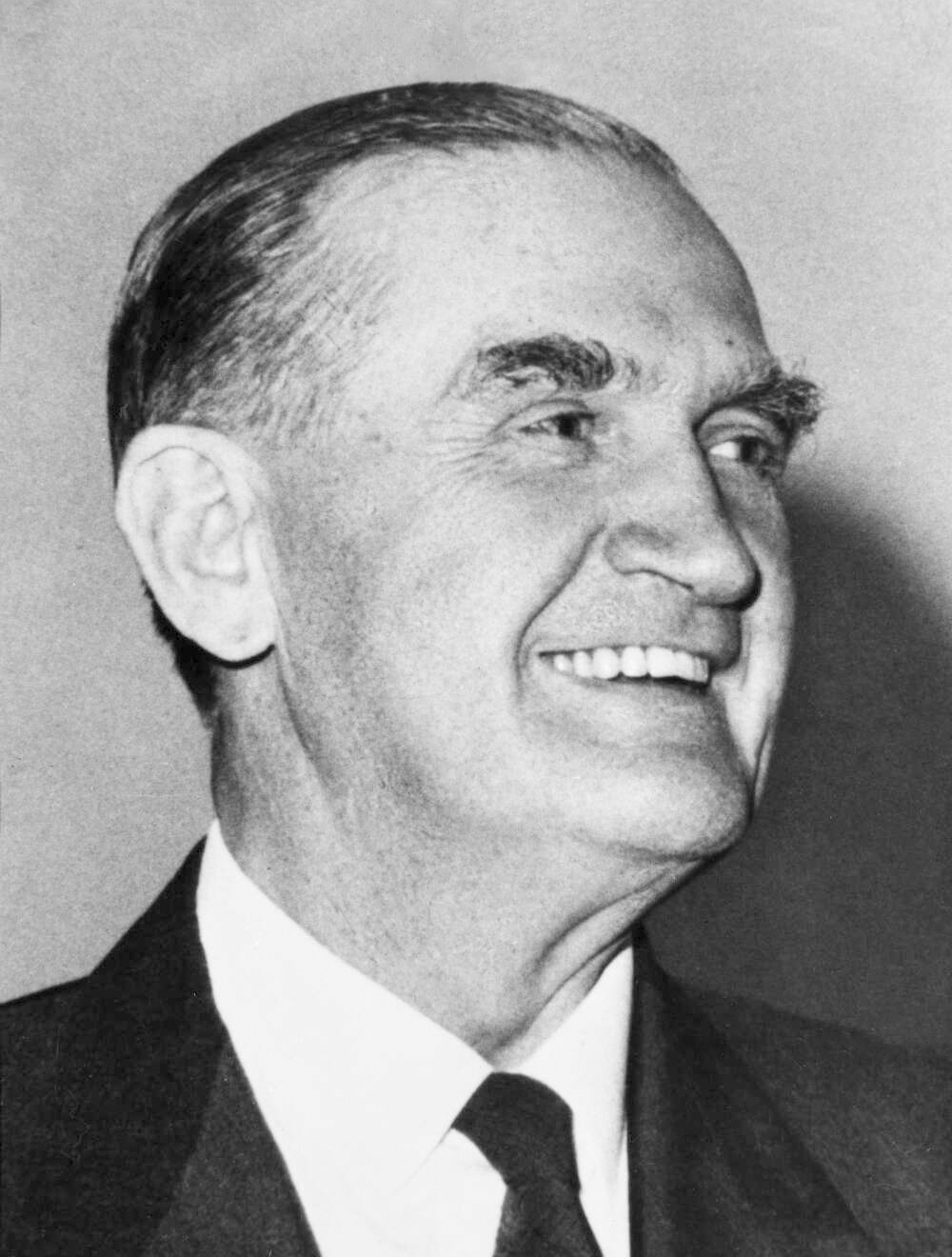
The National Party has periodically exercised influence disproportionate to its size because of coalition dynamics and its control of regional seats. In the mid-20th century the party was particularly powerful and three of its leaders—Earle Page, Arthur Fadden and John McEwen—served briefly as Prime Minister in transitional circumstances. More recently the party has provided deputy prime ministers and held key ministries related to agriculture, regional development and infrastructure. Past federal leaders have included figures such as Warren Truss, and leadership changed in 2021 when Barnaby Joyce regained the party's federal leadership, replacing Michael McCormack after an internal leadership contest.
Distinctive features and contemporary role
Unlike urban-based conservative parties, the Nationals place sustained emphasis on place-based policies for non-metropolitan communities. They must balance local constituency interests with coalition commitments, which can lead to distinct positions on issues such as water management, regional tariffs, transport links and service delivery. The party's influence depends on election outcomes and the relative strength of its coalition partner, but it remains a key actor in Australian politics where rural and regional issues are decisive.
For further reading and primary sources, consult party materials and parliamentary records via the links above or official branch websites and electoral data repositories for the most recent information and state-level details.
Author
AlegsaOnline.com National Party of Australia Leandro Alegsa
URL: https://en.alegsaonline.com/art/68674
Sources
- primeministers.naa.gov.au : "About - Earle Page (7–26 April 1939) and Ethel Page"
- primeministers.naa.gov.au : "About - Arthur Fadden (29 August – 7 October 1941) and Ilma Fadden"
- primeministers.naa.gov.au : "About - John McEwen (19 December 1967 – 10 January 1968) and Ann McEwen"
- abc.net.au : "Truss wins Nationals leadership"