
Michael McCormack (Australian politician)
Australian politician, member for Riverina since 2010; led the National Party and served as Deputy Prime Minister (Feb 2018–Jun 2021) and Minister for Infrastructure, Transport and Regional Development.
Overview
Michael Francis McCormack (born 2 August 1964) is an Australian politician known for representing rural interests in federal parliament. He served as leader of the National Party and as Deputy Prime Minister from February 2018 until June 2021. During much of that period he also held the portfolio of Minister for Infrastructure, Transport and Regional Development, focussing on roads, regional airports and services that connect remote communities.
Image gallery
8 Images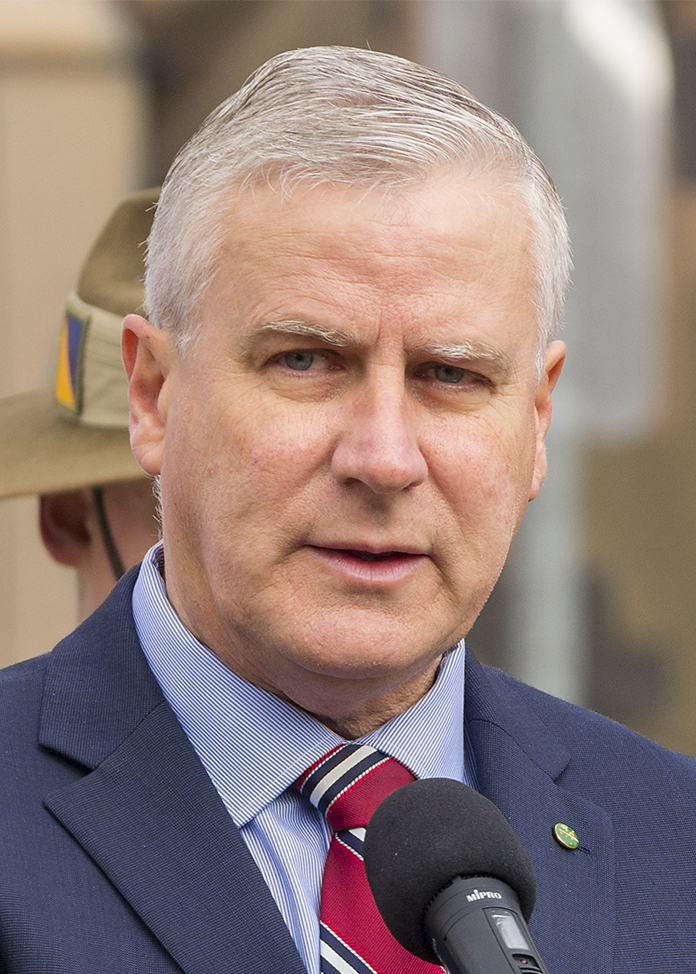


Early life and pre-parliamentary career
Before entering federal politics McCormack worked in regional media and journalism, rising to the role of newspaper editor. That background shaped his familiarity with issues facing country towns and agricultural districts. He built a public profile through community engagement and reporting on local economic and social concerns prior to seeking elected office.
Parliamentary service and ministerial roles
McCormack was first elected to the House of Representatives at the 2010 federal election and has represented the Division of Riverina in New South Wales since then. He was re‑elected at subsequent polls and rose through party ranks to take on shadow and then ministerial responsibilities. His time in government emphasised national and regional infrastructure investment, transport safety and strengthening services for rural communities.
Leadership of the Nationals and deputy prime ministership
In February 2018 McCormack was chosen to lead the coalition's junior partner and became Deputy Prime Minister. His leadership style was often described as pragmatic and low‑key compared with some predecessors. On 21 June 2021 a party room vote removed him from the leadership in a spill that returned Barnaby Joyce to the party leadership. The change reflected internal debate within the party about direction and electoral strategy.
Positions, priorities and legacy
McCormack's parliamentary priorities centred on practical measures for regional Australia. Key themes included:
- investment in transport links and regional roads,
- support for local economies, agriculture and drought relief programs,
- improving access to health, education and digital services outside major cities.
He is generally viewed as a representative figure for country electorates, with a career that moved from regional journalism into federal representation and executive government. His tenure highlighted the continuing role of the Nationals within Australia's coalition politics and the tensions that can arise over leadership and policy emphasis.
Electoral significance and further reading
As the member for Riverina, McCormack has been part of discussions about rural policy, infrastructure funding and the political balance between metropolitan and regional Australia. For official profiles and parliamentary records, see party and parliamentary resources linked above.
Author
AlegsaOnline.com Michael McCormack (Australian politician) Leandro Alegsa
URL: https://en.alegsaonline.com/art/126773