
Naturalism (arts)
Naturalism in art emphasizes faithful, unidealized depiction of the visible world through close observation, developed from Renaissance practice and prominent in 19th-century Realism and landscape painting.
Overview
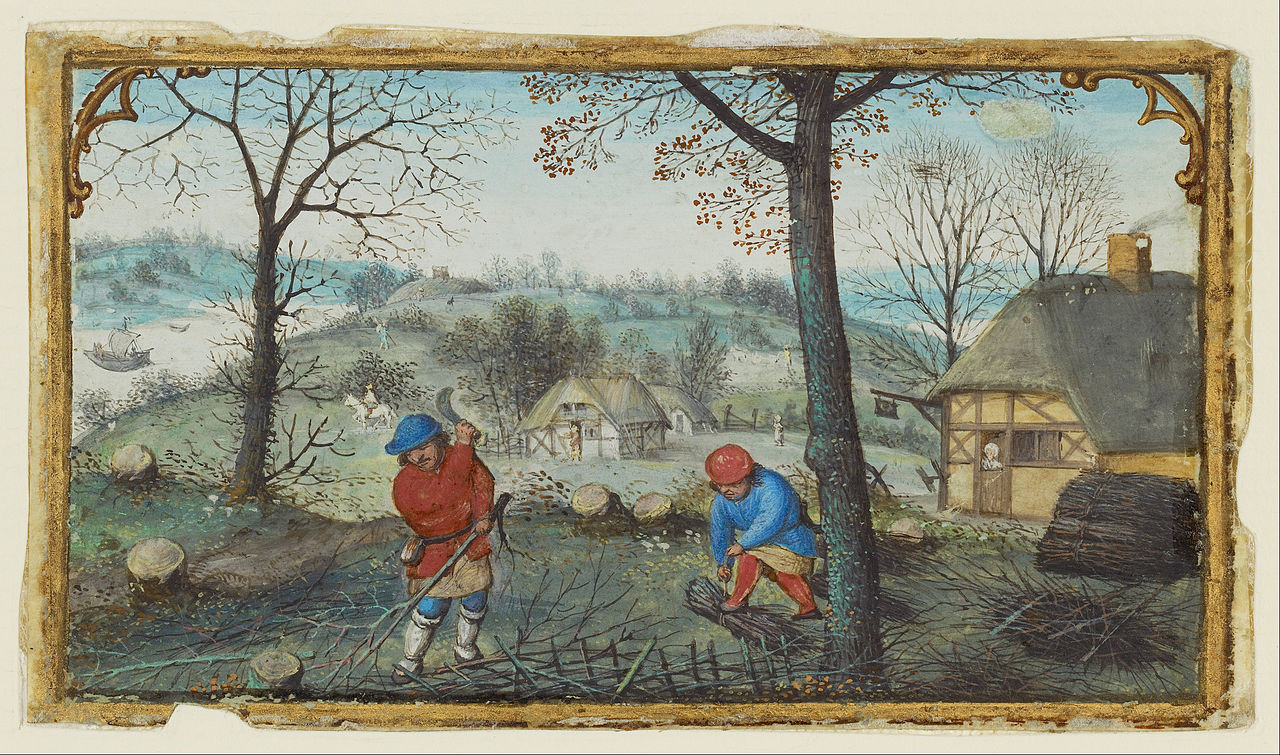
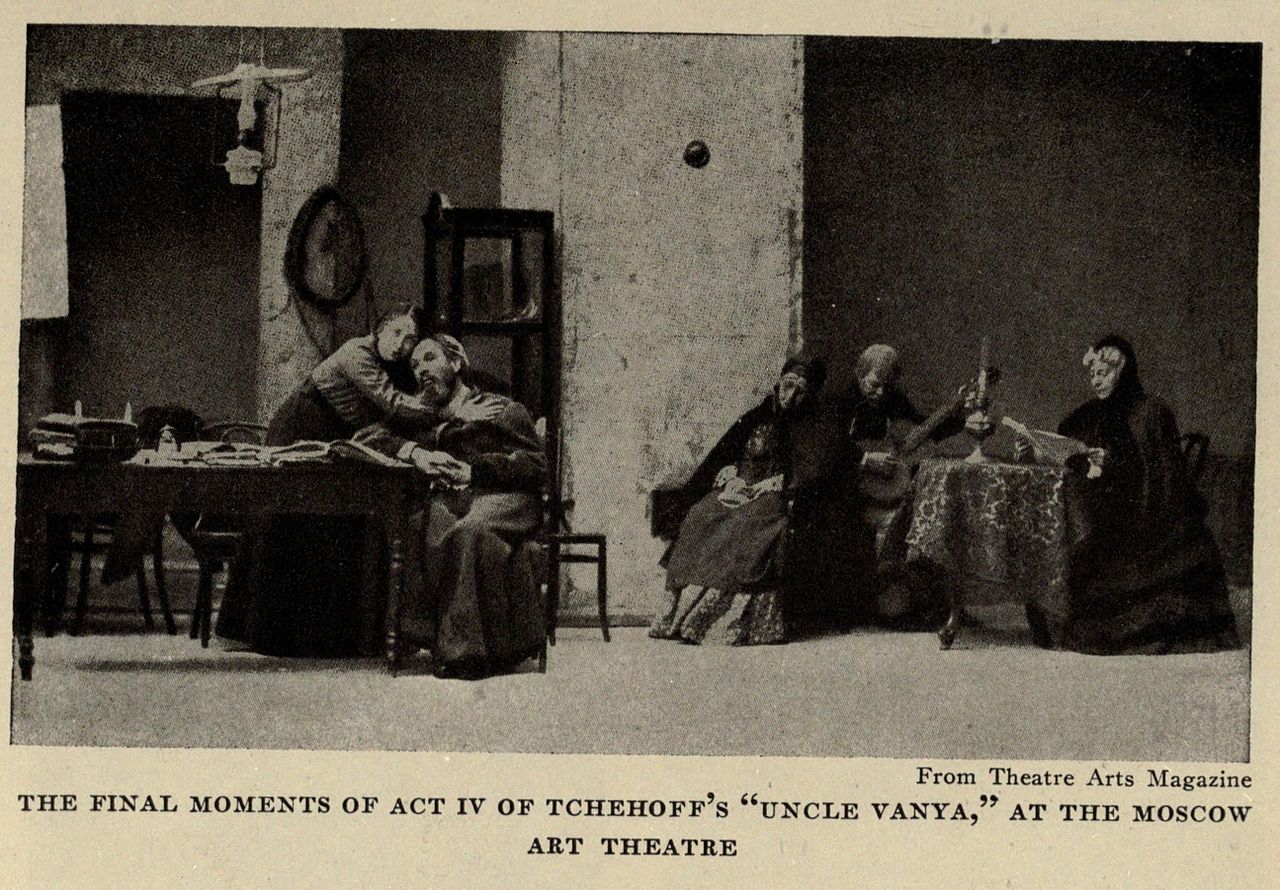
Naturalism in the visual arts refers to an approach that seeks to portray subjects as they appear in nature, without idealization or overt stylization. Artists working in a naturalist mode prioritize accurate observation of light, form, texture and atmosphere. The term overlaps with but is not identical to the 19th-century Realist movement; it is also used more broadly to describe representational work rooted in perceptual fidelity rather than symbolic or decorative conventions.
Image gallery
10 Images






Key characteristics
- Direct observation: subjects are studied from life and rendered with attention to empirical detail.
- Natural settings: figures and objects are shown in ordinary environments rather than staged, idealized backgrounds.
- Subtle modeling of light and color: tonal relationships and atmosphere are used to convey form and depth.
- Modest composition: emphasis on everyday scenes, landscapes, and genre subjects rather than grand historical or mythic narratives.
History and development
Practices associated with naturalism have a long pedigree. During the early and High Renaissance artists in Florence and elsewhere adopted close study of anatomy, perspective and nature to achieve convincing illusion, an approach sometimes labeled naturalistic. Centuries later, the 19th century saw a renewed and more explicit commitment to depicting contemporary life and nature without idealization. The Realist movement of that era reacted against Romantic exaggeration and academic convention; some writers and museums link that movement to broader naturalist tendencies in painting and illustration. For historical context see artists and schools such as the Florentine tradition and the Barbizon School, which emphasized rural landscape and observation Florentine/early Renaissance sources.
Examples and practitioners
Naturalism can be found across a range of national traditions. In the 19th century the Barbizon painters favored plein-air study of woodlands, fields and rural life; Albert Charpin is often associated with pastoral scenes of sheep and shepherds set in believable landscapes. In the United States, landscape painters such as William Bliss Baker are frequently cited for their carefully observed portrayals of woodlands and rural light. For connections to the broader Realist movement and critical debates see materials linked under Realism and discussions of naturalism as an artistic stance. Further reading on Romanticism as a foil to naturalist aims is available here.
Techniques, uses and influence
Naturalist painters commonly use sketches from life, plein-air studies and careful color harmony to capture transient effects. The approach informed scientific and botanical illustration for its emphasis on accurate depiction, and it shaped later representational movements by insisting that ordinary subjects could be worthy of sustained artistic attention. Reproductions and exhibition histories often highlight exemplary works and collections; see landscape-specific resources landscape examples.
Distinctions and notes
Terminology can vary: "naturalism" is sometimes used interchangeably with "realism," while at other times it denotes a milder, observation-focused practice distinct from the social or political aims of Realist artists. It should also be distinguished from photorealism, which is a later movement seeking a photographic level of finish. Understanding naturalism benefits from comparing artworks, historical contexts, and artists' stated intentions rather than relying on a single definition.
Questions and answers
Q: What is naturalism in art?
A: Naturalism in art refers to the depiction of realistic objects in a natural setting.
Q: Why did the Realist movement advocate for naturalism?
A: The Realist movement of the 19th century advocated naturalism in reaction to the stylized and idealized depictions of subjects in Romanticism.
Q: Who is William Bliss Baker and what is his contribution to naturalism?
A: William Bliss Baker is an American artist whose landscape paintings are considered some of the best examples of the naturalist movement.
Q: Who is Albert Charpin and what is his contribution to naturalism?
A: Albert Charpin is a French artist from the Barbizon School, whose paintings of sheep in their natural settings are an example of naturalism.
Q: When did naturalism begin?
A: Naturalism began in the early Renaissance and developed further throughout the Renaissance, such as with the Florentine School.
Q: What is the main characteristic of naturalism in art?
A: Naturalism is a type of art that pays attention to very accurate and precise details and portrays things as they are.
Q: Are there other artists who have used a similar approach to naturalism over the centuries?
A: Yes, many painters have used a similar approach to naturalism over the centuries.
Related articles
Author
AlegsaOnline.com Naturalism (arts) Leandro Alegsa
URL: https://en.alegsaonline.com/art/68785