
Nashik (Nasik) — city and district in Maharashtra, India
Nashik is a historic city and administrative district in northwest Maharashtra, India, known for pilgrimage sites, vineyards, industry, and a cluster of 15 talukas.
Overview
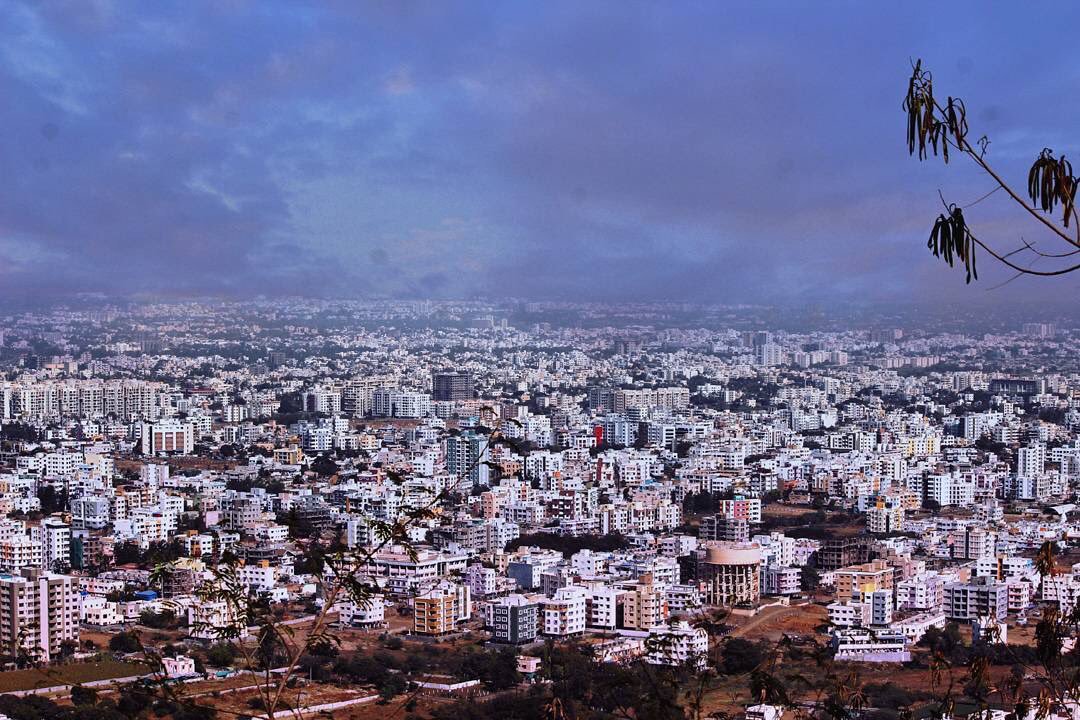
Nashik (also spelled Nasik) is a city in the northwest region of the Indian state of Maharashtra and the administrative centre of Nashik district. It lies roughly 180 kilometres from Mumbai and forms part of the broader urban and economic belt of western India. The city itself is home to approximately 1.6 million people, while the larger district encompasses a much wider rural and semi-urban population.
Image gallery
10 Images



Administrative structure and subdivisions
Nashik district is divided into a number of administrative talukas (sub-districts). These local units manage rural governance, agrarian matters and municipal services outside the city limits. The district contains 15 talukas, which include important administrative and market centres:
- Nashik
- Igatpuri
- Sinner (Sinnar)
- Deola
- Chandwad
- Malegaon
- Kalwan
- Baglan
- Trimbkeshwar (Trimbak)
- Dindori
- Niphad
- Peth
- Surgana
- Yeola
- Nandgaon
Within the district there are several towns and settlements of note, often known for trade, rail connections or religious sites:
- Lasalgaon
- Deolali Camp
- Saptashrugi Gad
- Manmad
History and religious importance
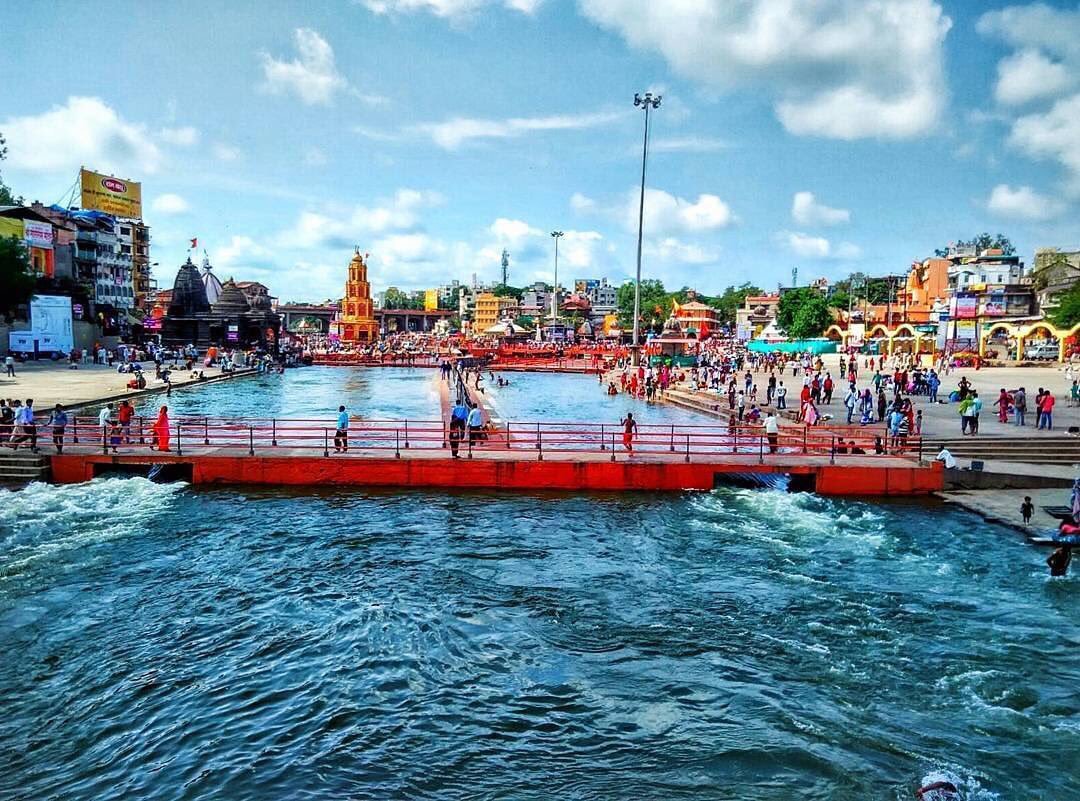
Nashik has long been a centre of Hindu pilgrimage. Areas such as Trimbakeshwar and the banks of the Godavari River at Panchavati are associated with ancient myths and temple traditions. Every twelve years, Nashik hosts one of the locations for the Kumbh Mela, a major religious gathering which attracts millions of pilgrims. This spiritual heritage coexists with the district's historical trading role on inland routes.
Economy, agriculture and industry
The economy of Nashik district is mixed. Around the city, industrial and service sectors have grown, benefiting from proximity to Mumbai and regional transport links. In rural parts of the district, agriculture remains important: Nashik is a prominent grape- and horticulture-producing area and has developed a well-known wine industry and related agro-processing. Marketplace towns such as Lasalgaon are notable for agricultural trade.
Transport, education and modern development
Nashik city is connected by road and rail to other major centres of Maharashtra and beyond, and the district has a regional airport that supports scheduled and charter flights. The city has expanded as an educational and industrial hub with colleges, technical institutes and manufacturing units. Over recent decades Nashik has evolved from being perceived primarily as a holy place to becoming a fast-developing urban and economic centre while retaining its cultural and religious landmarks.
Notable distinctions
Nashik is often mentioned both for its religious festivals and for being a leading grape-growing region in India. Visitors and researchers frequently note the juxtaposition of pilgrimage sites, vineyards, industrial zones and rural market towns within a single district. For further administrative or travel information, consult regional government or tourism sources found via local portals such as the state and national information services: India resources and regional pages listed on Maharashtra portals.
Related articles
Author
AlegsaOnline.com Nashik (Nasik) — city and district in Maharashtra, India Leandro Alegsa
URL: https://en.alegsaonline.com/art/68430