
Naser Malek Motiei — Iranian film actor (1930–2018)
Prominent Iranian actor of the pre‑1979 era, celebrated as a leading man in films from 1949–1982; he returned briefly in 2014. Born in Tehran (1930), died 2018.
Naser Malek Motiei was a leading figure of Iranian popular cinema in the mid‑20th century. Born in 1930 in Tehran, he became widely known for his screen presence and romantic‑hero roles during a period when Iranian film industry expanded rapidly. His career spanned performances on both the big and small screens from 1949 until the early 1980s, with a rare return to acting in 2014.
Image gallery
1 Image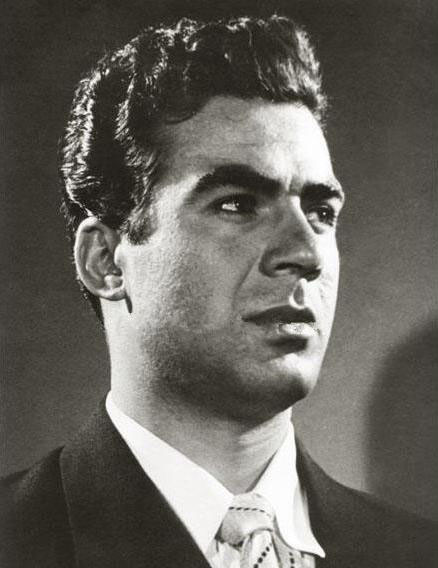
Early life and background
Motiei (Persian: ناصر ملکمطیعی) began acting at a young age and developed into a versatile performer who could lead melodramas, comedies and action adventures. Like many of his generation, he worked with a variety of directors and was part of a star system that supplied popular entertainment to urban audiences across Iran.
Screen persona and career
On screen he was often cast as the handsome, morally upright protagonist or the romantic interest, though his filmography also shows roles with tougher, complex edges. His acting style combined expressive gestures with a naturalistic delivery that made him accessible to broad audiences. He remained a recognizable face through the 1950s, 1960s and 1970s until major political changes altered the film industry.
Selected films
- Wood Pigeon (1970)
- Mehdi in Black and Hot Mini Pants (1972)
- And Then There Were None (1974)
Post‑revolution years and return
After the 1979 Iranian Revolution, many artists from the previous cinematic era faced restrictions and a transformed cultural landscape. Motiei's film career was effectively curtailed for decades; nevertheless he remained a prominent cultural figure and made a limited, notable return to the screen in 2014. His experience reflects the wider disruptions experienced by Iran's entertainment industry during that period.
Legacy and death
Naser Malek Motiei is remembered as one of the emblematic stars of Iran's classical popular cinema, a performer whose work helped shape audience expectations for leading men of his era. He died in Tehran on 25 May 2018 of renal failure at the age of 88. His life and films continue to be discussed by students of Iranian cinema and by viewers interested in the country's cinematic history.
For further context about his life and career see general overviews of pre‑revolution Iranian cinema and actor biographies on archival resources; his Persian name and career summaries are indexed in several film reference materials and databases. More on his career.
Related articles
Author
AlegsaOnline.com Naser Malek Motiei — Iranian film actor (1930–2018) Leandro Alegsa
URL: https://en.alegsaonline.com/art/68425
Sources
- yjc.ir : "ناصر ملکمطیعی درگذشت"
- mehrnews.com : "ناصر ملکمطیعی درگذشت"
- ion.ir : "خانواده سینمای ایران در سوگ هنرمند محبوب/ ناصر ملک مطیعی از دنیا رفت"