
Narva: Border City of Estonia with a Rich History
Narva is a historic Estonian city on the country’s eastern border with Russia, known for its medieval fortress, industrial heritage, predominantly Russian-speaking population, and strategic location on the Narva River.
Narva is a city in northeastern Estonia, notable for its position on the Narva River where the country meets Russia. It ranks among Estonia's largest urban centres and serves as a major border crossing and cultural frontier. The town's riverfront location and the fortifications on both banks make Narva a distinctive place where Estonian, Russian and Scandinavian influences meet.
Image gallery
10 Images
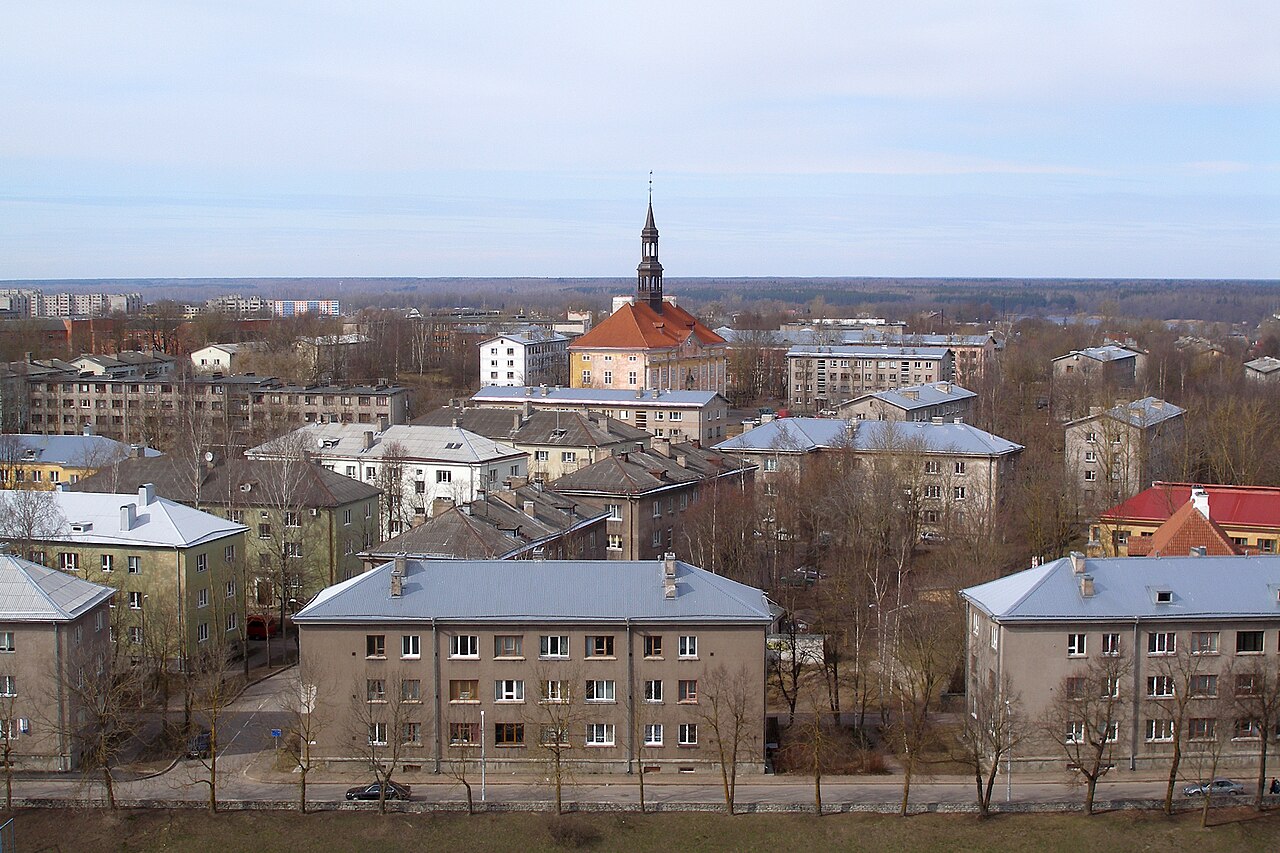


Origins and historical development
The first recorded mention of Narva dates to the early 13th century, when Danish rulers established a settlement in 1223. Over the centuries Narva has been governed by various powers, including medieval Baltic orders, Sweden and the Russian Empire, and it was the scene of important military events such as the Great Northern War engagements near the town. In the 19th and 20th centuries Narva developed into an industrial centre with textile and manufacturing works; much of the historic urban fabric was heavily damaged during World War II and later rebuilt in the Soviet era.
City features and landmarks
- Hermann Castle (Narva Castle) — a riverside medieval fortress that overlooks the opposite Russian fortress at Ivangorod.
- Kreenholm — a large textile complex established in the 19th century that shaped the city's industrial character.
- Border crossing — international road and rail connections to Russia make Narva a gateway for trade and travel.
Narva's population composition is distinctive within Estonia: a large share of residents are Russian-speaking, a legacy of historical ties and migration during the Soviet period. Demographic and economic changes since Estonia regained independence have influenced local employment, language policy, and community life, making Narva a focal point for discussions about integration and cross-border relations.
Today Narva combines historical sites, cultural institutions and municipal initiatives aimed at revitalisation. Visitors often see the juxtaposition of restored or conserved medieval architecture and 20th‑century urban planning. Those seeking more information about its ranking among Estonian cities can consult sources noting Narva as the third largest city in the country; broader context about the nation is available via Estonia-focused references. For historical accounts emphasizing early Danish influence, see materials connected to medieval Denmark at relevant historical collections.
Related articles
Author
AlegsaOnline.com Narva: Border City of Estonia with a Rich History Leandro Alegsa
URL: https://en.alegsaonline.com/art/68409