
Narita, Chiba: city, airport gateway and cultural center
Narita is a city in Chiba Prefecture, Japan, best known for Narita International Airport. It combines modern transport infrastructure with historic temples, traditional shops, and a regional role in logistics and tourism.
Narita is a city in Chiba Prefecture in the Kantō region of Japan. It is widely known as the location of Narita International Airport, one of the country's major international gateways. The municipal name uses the suffix "-shi," denoting city status in Japan's local government system. Narita sits east of the Tokyo metropolitan area and functions as both a transport hub and a center for local commerce.
Image gallery
10 Images




Characteristics and layout
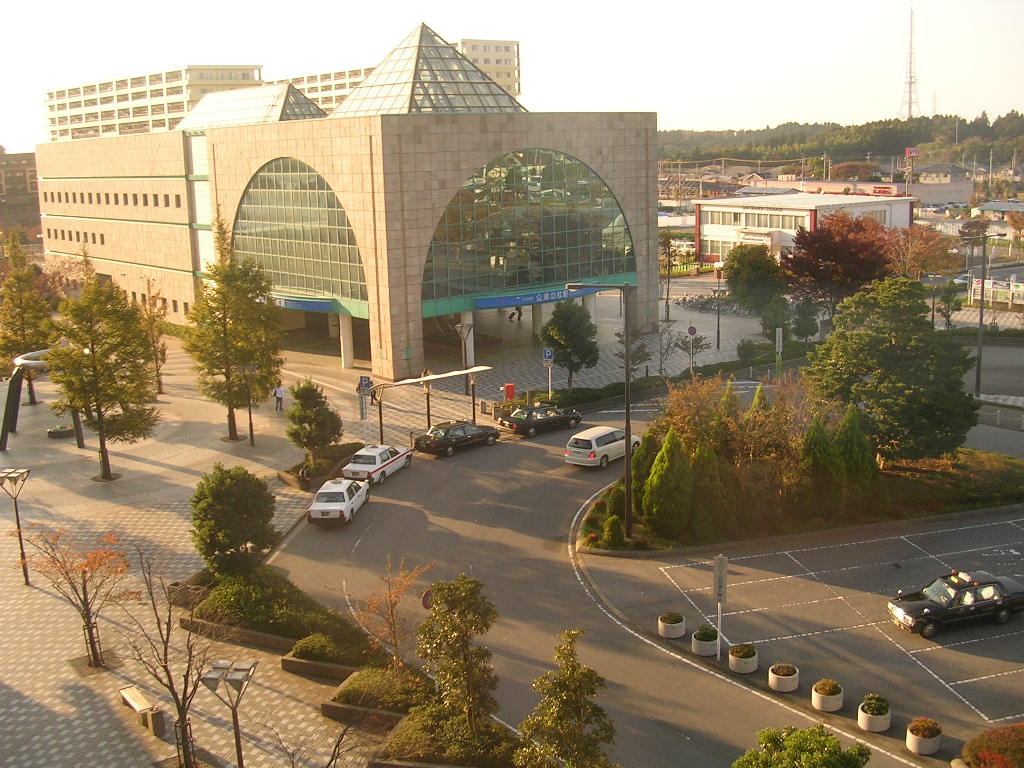
The urban area mixes airport-related districts, residential neighborhoods and a historic center clustered around a major Buddhist temple. The city's streets vary from modern commercial corridors to the traditional oak-lined approach known as Omotesando, which leads to a temple precinct with shops, restaurants and inns serving pilgrims and visitors.
History and development
Narita's identity long predates the airport. The area grew around a prominent temple complex established more than a thousand years ago, which attracted pilgrims and helped shape local commerce. In the mid-20th century the decision to build a large international airport nearby transformed the town into an international transit point; the airport began operations in the late 1970s, dramatically increasing passenger and cargo traffic and prompting new infrastructure and business growth. The airport's construction also involved local controversy and opposition during its planning and early years.
Economy and transportation
The local economy blends tourism, retail, logistics and services linked to air travel. Many jobs are connected to airport operations, cargo handling, hotels and transportation. Narita is served by fast rail connections to central Tokyo and surrounding areas, including express services that link the city and airport to major urban centers, making it convenient for international travelers and commuters alike.
Culture and points of interest
Visitors often explore the historic temple precinct and the lively approach street, which offer traditional food, crafts and seasonal events. Annual festivals and temple ceremonies attract residents and tourists. The juxtaposition of an ancient religious site with modern airport facilities is a notable feature of the city's character.
Notable facts
- The city's name is closely associated with the international airport, which serves as a principal entry point for many overseas visitors to the Tokyo region.
- Local tourism benefits from both religious pilgrimage and transit passengers with brief layovers.
- Ongoing development balances preservation of historic areas with the commercial needs tied to international aviation.
For additional administrative or visitor information, consult official sources for Narita city and national travel guidance, or specific transport operator pages that connect the airport and urban center. More details are available through local government and airport resources: Narita city information, Japan and Narita International Airport.
Related articles
Author
AlegsaOnline.com Narita, Chiba: city, airport gateway and cultural center Leandro Alegsa
URL: https://en.alegsaonline.com/art/68386