
Naniwa-kyō — ancient port capital in present-day Osaka
Naniwa-kyō (Naniwa no Tsu) was an early Japanese imperial seat in the 7th–8th centuries, located where modern Osaka now stands; important as a maritime gateway, administrative center and archaeological site.
Overview
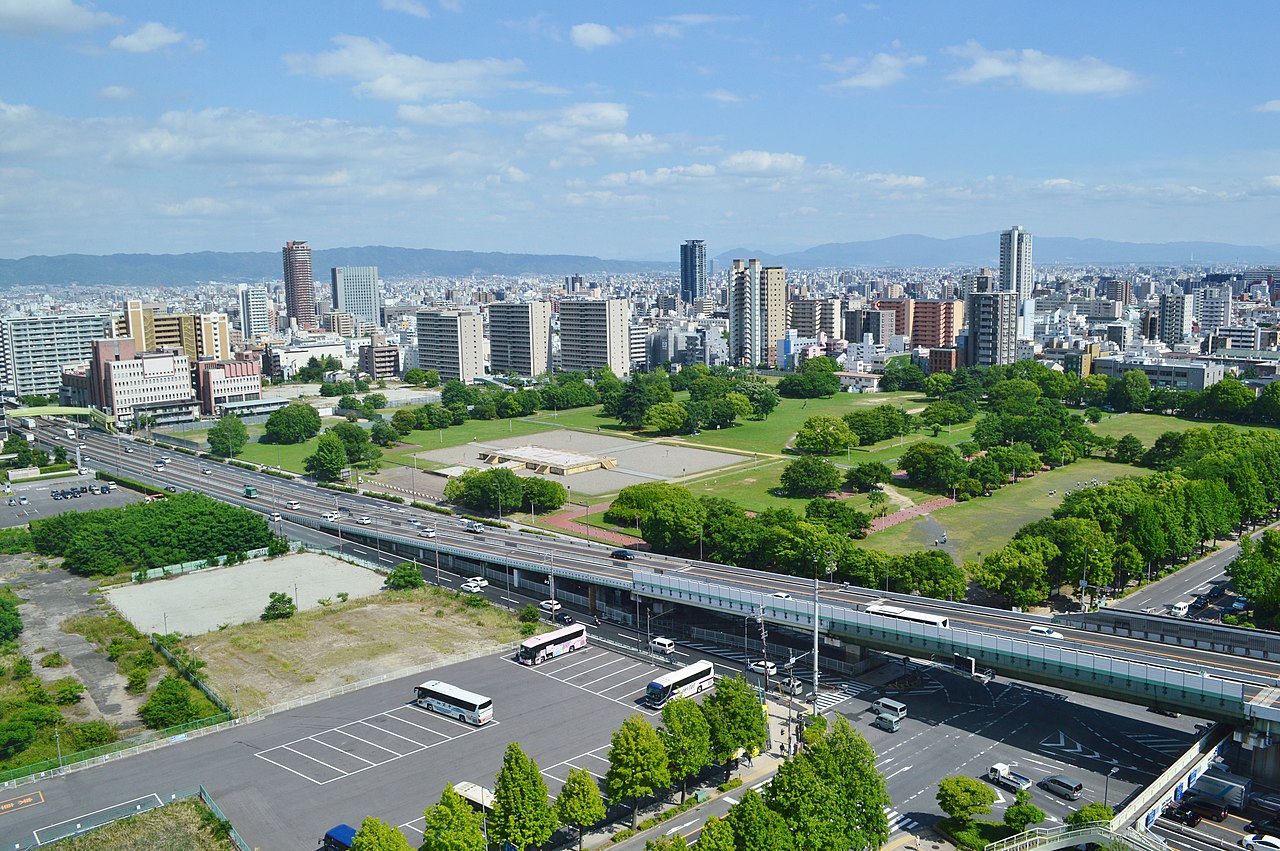
Naniwa-kyō, also called Naniwa no Tsu, was an early Imperial capital of Japan during the 7th and 8th centuries CE. Situated on the coastline of what is now central Osaka, the site combined administrative, ceremonial and harbor functions. Its location made it a natural hub for domestic river traffic and overseas exchange across the Inland Sea.
Image gallery
3 Images

Characteristics and layout
The urban area included a palace precinct, government offices and port installations. Contemporary accounts and later studies describe a concentration of official buildings near the water, with roads and smaller neighborhoods serving craftsmen and merchants. While details of street plans are not as fully preserved as for some later capitals, excavations have revealed foundations and traces that point to deliberate planning and a mixed civic-port character.
Key features often cited by researchers include:
- Palatial administrative compound used for court and ceremonies.
- Harbor facilities that handled tribute, trade goods and diplomatic ships.
- Warehousing and artisan quarters supporting maritime commerce.
History and archaeology
Naniwa-kyō functioned intermittently as a political center during a period when the seat of government shifted several times. Its prominence reflected both strategic inland-sea access and evolving state structures in early Japan. Knowledge about the site derives from a combination of historical chronicles and systematic archaeological work carried out around modern Osaka, which has located building remains, ceramic assemblages and other artifacts connected to the capital period.
Importance and later legacy
The settlement's role as a gateway to the continent—receiving envoys and goods from Korea and China—makes it important for understanding early diplomatic and commercial networks. Today the former precinct lies beneath parts of a dense urban landscape; museums and interpretive displays in the Osaka area present finds and reconstructions to the public. Scholars continue to study Naniwa-kyō to clarify the early evolution of Japanese urbanism and state administration.
Notable distinctions: the name Naniwa survives in modern place names and popular memory, but the ancient capital should be distinguished from the later medieval and modern city of Osaka. Ongoing fieldwork and conservation efforts aim to balance urban development with protection and study of the archaeological record.
Related articles
Author
AlegsaOnline.com Naniwa-kyō — ancient port capital in present-day Osaka Leandro Alegsa
URL: https://en.alegsaonline.com/art/68246
Sources
- books.google.com : Annales des empereurs du Japon, p. 71.
- books.google.com : The Cambridge History of Japan, pp. 42–44.
- books.google.com : The Constructed Past: Experimental Archaeology, Education and the Public, p. 68–70.
- mus-his.city.osaka.jp : "Recent Archaeological Discoveries in Osaka 2007"