
Nancy Kwan — Hong Kong‑born actress who helped change Hollywood casting
Nancy Kwan (born 1939) is a Hong Kong–born American actress whose breakthrough roles in The World of Suzie Wong and Flower Drum Song brought wider visibility to Asian actors in Hollywood.

Nancy Kwan (Chinese: 關家蒨; pinyin: Guān Jiāqiàn; Jyutping: Gwaan1 Gaa1sin6) is a Hong Kong–born American actress, businesswoman and activist. She was born in what was then British Hong Kong and later established a career in American film and television. Kwan rose to international attention in the early 1960s with starring roles that introduced a leading Asian presence to mainstream Hollywood cinema.
Image gallery
10 Images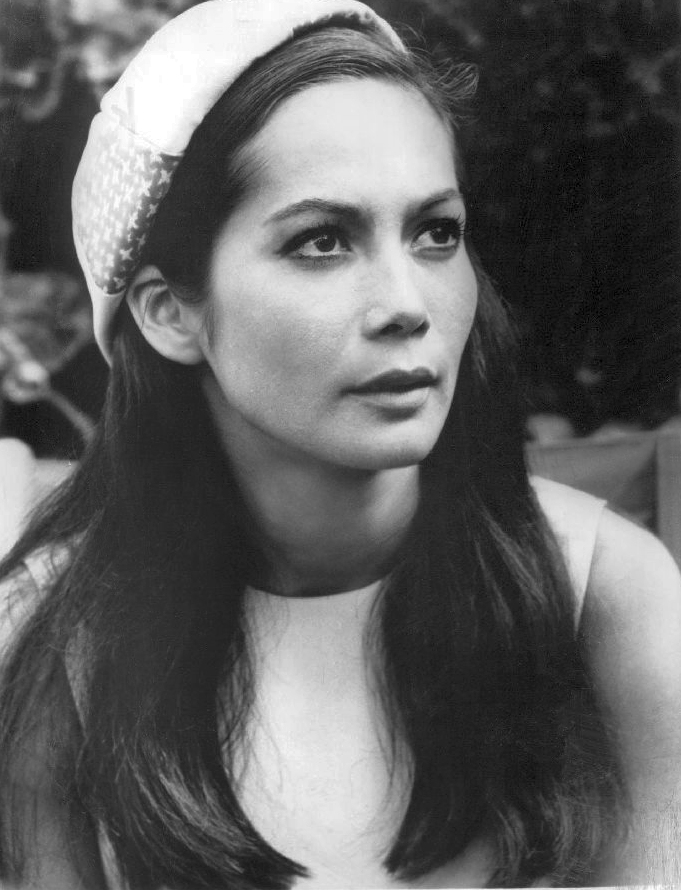


Early life and breakthrough
Kwan grew up between Hong Kong and other locations, training in dance and performance before moving into screen roles. Her breakthrough came when she was cast in the romantic drama The World of Suzie Wong, a role that earned critical attention and led to wider notoriety. She followed that success with a prominent part in the Rodgers and Hammerstein musical film Flower Drum Song, which showcased an almost entirely Asian and Asian American principal cast — a rarity in studio films of the era. For her performance in The World of Suzie Wong she received a Golden Globe award, an early marker of international recognition.
Film and television highlights
- The World of Suzie Wong — the role that made her a star.
- Flower Drum Song — a major Hollywood musical with an Asian-centered cast.
- The Wrecking Crew — a studio action-comedy in which she appeared.
- Lt. Robin Crusoe, U.S.N. and several other studio pictures that broadened her exposure.
Alongside feature films, Kwan worked in television and later returned periodically to the screen in supporting parts. Her career combined dramatic, romantic and comic roles, reflecting a versatility that helped her maintain a long presence in entertainment.
Impact, activism and later life
Kwan is often cited as an important early example of an actor of Asian ancestry achieving lead roles in Hollywood, helping to open conversations about representation and casting practices. Her visibility in high‑profile films challenged some prevailing assumptions about who could carry a major studio picture and encouraged casting directors and producers to consider a broader range of performers. In later decades she was involved in business and charitable work, and she spoke about issues affecting Asian and Asian American performers and communities.
In 1976 she married Norbert Meisel and they had a son, Bernie; their son died in the 1990s from AIDS-related causes, a personal tragedy Kwan has discussed with sensitivity in interviews and public statements. Kwan retired from regular acting work in the 2010s, though retrospectives and film historians continue to recognize her role in changing Hollywood practices and increasing visibility for Asian actors. For further background on her life and filmography see resources linked here: biographical entry, discussions of representation in film history and analysis of casting, and personal accounts and interviews about her family and later years.
Notable facts: she won a Golden Globe early in her career, was one of the first actors of East Asian descent to headline mainstream Hollywood productions, and sustained a multi‑decade career that included stage, screen and television work. Her legacy is remembered both for particular performances and for a broader cultural influence on the industry.
Related articles
Author
AlegsaOnline.com Nancy Kwan — Hong Kong‑born actress who helped change Hollywood casting Leandro Alegsa
URL: https://en.alegsaonline.com/art/68229
Sources
- asianweek.com : "Chinese American Heroine: Nancy Kwan"
- the.honoluluadvertiser.com : "Nancy Kwan creates own opportunities" · web.archive.org
- asiaone.com : "Half a century on, 'Suzie Wong' still a star in Hong Kong" · web.archive.org