
Nancy Wake: Resistance fighter and Special Operations veteran
Biography of Nancy Wake (1912–2011), an Australian-born member of the British resistance and SOE in World War II, her wartime actions, awards, postwar life and legacy.
Nancy Grace Augusta Wake (30 August 1912 – 7 August 2011), often called the "White Mouse," was a prominent operative who worked with the British underground and the Special Operations Executive during World War II. Noted for eluding capture and for her work organizing French maquis units, she was at one point listed among the Gestapo's most wanted fugitives (Gestapo). Her life inspired fiction and film adaptations, most famously the Sebastian Faulks novel and the film Charlotte Gray.
Image gallery
2 Images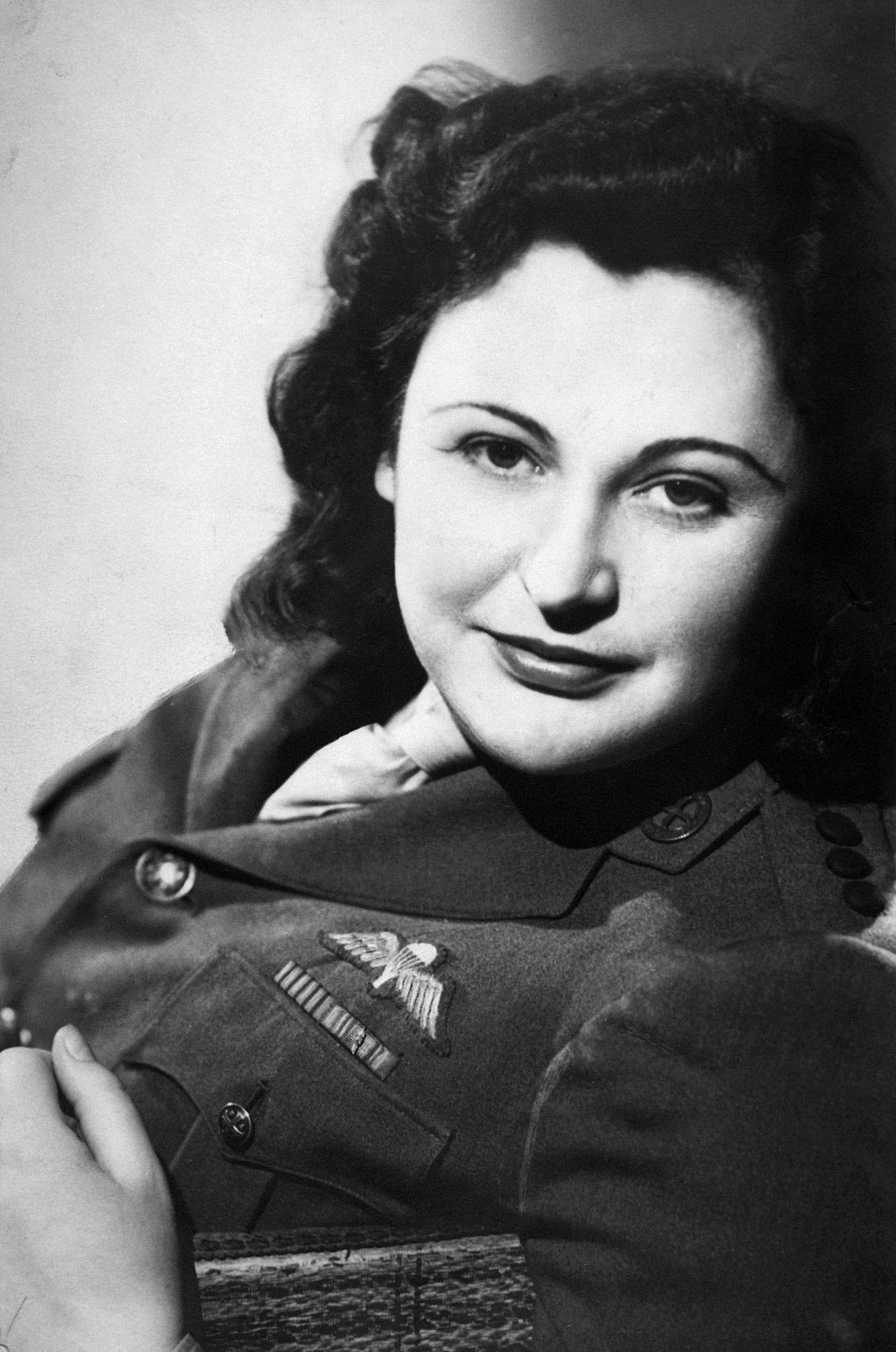

Early life and career before the war
Nancy Wake was born in Wellington and raised from early childhood in New Zealand and then Australia. She left home as a teenager and by the mid-1930s had moved to London, where she trained and worked as a journalist. Her work took her to continental Europe and she lived in Paris for a period before the outbreak of hostilities. In 1939 she married Henry Fiocca, a businessman; the couple were living in France when war began.
From ambulance driver to escape-line operative
When war reached France, Wake initially served as an ambulance driver and volunteer, roles that put her in direct contact with Allied personnel and civilians caught in the conflict. She became part of an escape network led by Pat O'Leary (Albert Guérisse) that helped stranded British and Allied soldiers evade capture and reach neutral territory. Her activities drew attention from German security services and, as the pressure increased, she fled across the Pyrenees into Spain. Her husband was later captured and executed by occupying forces.
SOE insertion and Resistance leadership
After returning to Britain, Wake joined the clandestine efforts of the Special Operations Executive and in April 1944 was parachuted back into occupied France to work directly with Resistance groups. Operating behind enemy lines in the period leading up to and following the D-Day landings, she helped organize sabotage, coordinate weapons drops, and link local maquis units with Allied plans. Contemporary accounts credit her with fierce personal courage; she also made bold personal claims about close combat with enemy soldiers, which have entered her public legend and are commonly mentioned with caution by historians.
Honors, personality and later life
For her wartime service Wake received numerous decorations from several nations. These included the British George Medal, multiple awards of the French Croix de Guerre and other French honors, and recognition from the United States. Decades later Australia appointed her a Companion of the Order of Australia. She was known for a blunt, irreverent personality and for living modestly in later years; reports say she eventually sold some of her medals to support herself.
Legacy and notable facts
- Her wartime nickname, "White Mouse," reflected her ability to evade capture and move covertly in occupied territory.
- She is remembered as a symbol of resistance activity that combined local networks with Allied clandestine services.
- Her life has been dramatized in novels and films and remains a subject of popular and scholarly interest.
- While celebrated for bravery, some aspects of personal recollection and later anecdotes have been debated by historians seeking to separate memory from myth.
Further reading and archival material is available through specialist biographies, wartime records and museum collections that document SOE activities and escape lines. For context on her networks and wartime background consult materials on the ambulance and aid services, the structure of the parachute insertions used by Allied clandestine services, and contemporary accounts of escape routes and exile in interwar Europe. Her life intersects with histories of occupied France, intelligence operations and the broader social changes that followed the war.
Nancy Wake's story is often invoked in discussions of courage under occupation and the ways individuals contributed to resistance efforts. She remains one of the better-known members of the SOE era and a figure whose personal narrative continues to attract interest from historians, filmmakers and readers of wartime biography.
Questions and answers
Q: What was Nancy Grace Augusta Wake's nickname?
A: Nancy Grace Augusta Wake was known as the "White Mouse".
Q: What novel is based on her life?
A: A novel by Sebastian Faulks called Charlotte Gray is based on her life.
Q: Who starred in the movie adaptation of this novel?
A: Cate Blanchett starred in the movie adaptation of Charlotte Gray.
Q: Where was Nancy born?
A: Nancy was born in Wellington, New Zealand in 1912.
Q: How did she become involved with the French Resistance during WWII?
A: In April 1944, Nancy was parachuted into France to work with the French Resistance before the D-Day landings.
Q: What medals did she receive for bravery during WWII?
A: She received several important medals for bravery including the British George Medal, the French Croix de Guerre (on three occasions), the Médaille de la Résistance and she was made a Chevalier de la Légion d'Honneur. The Americans gave her the Medal of Freedom. In 2004 Australia made her a Companion of the Order of Australia.
Q: How did she respond when offered a medal from Australia?
A: When offered a medal from Australia, she said they could "stick their medals where the monkey sticks his nuts".
Related articles
Author
AlegsaOnline.com Nancy Wake: Resistance fighter and Special Operations veteran Leandro Alegsa
URL: https://en.alegsaonline.com/art/68234
Sources
- guardian.co.uk : "Nancy Wake obituary"
- worldcat.org : 0261-3077
- worldcat.org : 60623878
- guardian.co.uk : "Farewell to Nancy Wake, the mouse who ran rings around the Nazis"
- itsanhonour.gov.au : "It's an Honour"