
Natural rights and legal rights: origins, concepts, and distinctions
An overview of natural rights versus legal rights: definitions, history from ancient thought to Locke and modern declarations, how they operate in law and politics, and key debates and distinctions.
Overview
"Natural rights" refers to the idea that certain rights belong to individuals by virtue of their humanity rather than by grant of a state or law. These rights are often described as inherent or inalienable—meaning they cannot legitimately be taken away by government or other persons. The phrase and its application appear in many philosophical and political texts; for a general introduction see natural rights.
Image gallery
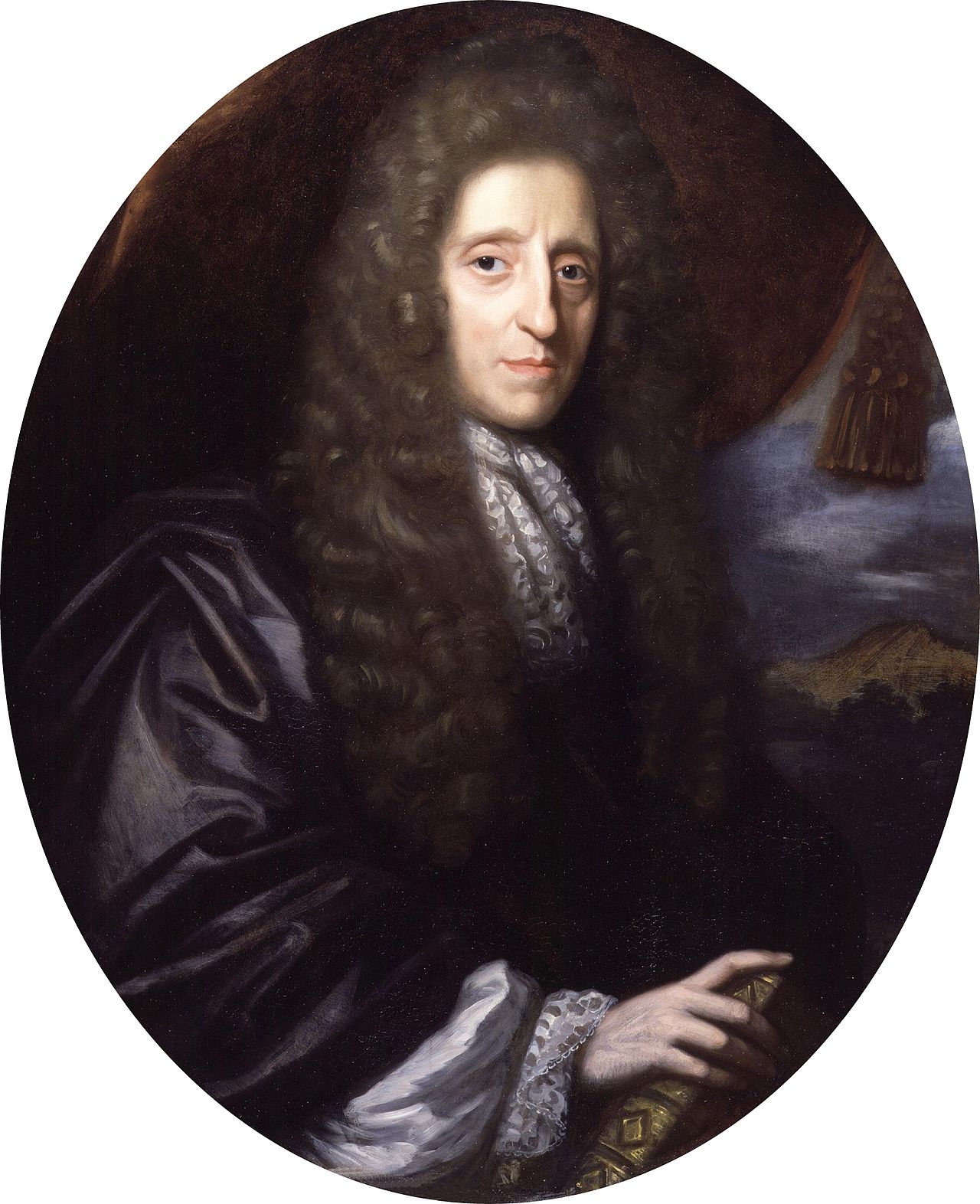
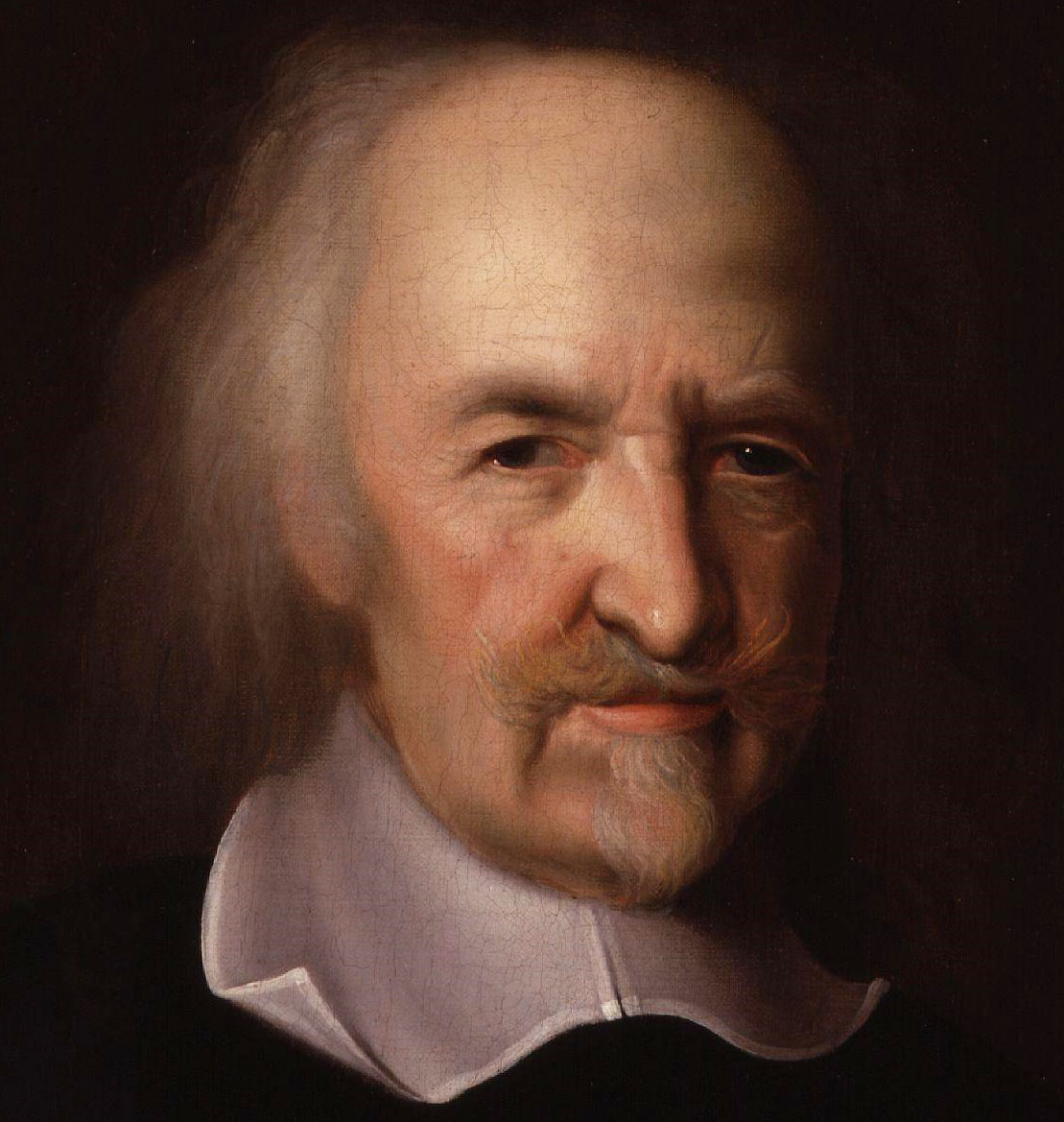
4 Images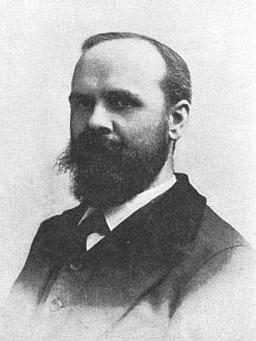

Core characteristics
Although theorists differ, most accounts of natural rights share several features. They are typically presented as:
- Universal: applying to all people regardless of time or place;
- Fundamental: forming a moral baseline from which other rights and duties are derived;
- Prior to government: existing independently of positive law, which should recognize and protect them;
- Claim-bearing: creating duties on others or obligations for governments to respect, protect, or promote them.
Historical development
The concept has roots in ancient ethical and legal thought, including natural law traditions found among Greek and Roman philosophers and later scholastic writers. It was reshaped in early modern philosophy by figures such as John Locke, who argued that individuals possess rights to life, liberty, and property. Enlightenment debates and revolutionary movements translated natural-rights language into political documents; for example, the United States Declaration of Independence and the French Declaration of the Rights of Man draw on these themes. Thomas Jefferson is often associated with popularizing a modified formula—"life, liberty, and the pursuit of happiness"—and his role is discussed in many accounts (Jefferson).
Natural rights and government
Many proponents view the primary purpose of legitimate government as the protection of natural rights. The idea of a social contract underlies this view: individuals consent, explicitly or implicitly, to form political communities to secure mutual benefits and defend fundamental rights. In practice, rights that begin as moral claims are often translated into legal rights—rights recognized and enforceable within a country's legal system—but the translation can be partial or contested.
Uses, examples, and influence
Natural-rights reasoning has influenced constitutional design, human-rights instruments, abolitionist and suffrage movements, and debates about civil liberties. Typical examples invoked by thinkers and political actors include the right to life, freedom of conscience and speech, property rights, and personal security. International human-rights documents and many national constitutions owe at least part of their vocabulary to natural-rights traditions.
Distinctions, debates, and limitations
Scholars and practitioners distinguish natural rights from legal rights: legal rights exist because a legal system recognizes them and are enforceable by institutions; natural rights are moral claims that may call for legal protection but are not identical to the rights in any particular statute. Critics question whether natural rights can be grounded without circularity, how to resolve conflicts among rights, and whether claims described as "natural" correctly encompass social or economic protections. Historical practice shows that governments and private actors have frequently failed to honour natural-rights ideals, prompting reform movements and continuing philosophical dispute.
Notable facts
- Different traditions and thinkers define the content and scope of natural rights differently; there is no single global list.
- The language of inalienability does not always settle practical questions about limitations, duties, or enforcement.
- Natural-rights concepts remain influential both as moral arguments and as rhetorical resources in law and politics, while legal systems translate, limit, or expand those ideas in concrete ways.
Questions and answers
Q: What are natural rights?
A: Natural rights are rights that believe it is important for all humans and animals to have that can never be taken away.
Q: Who is John Locke?
A: John Locke was an English philosopher who is most famous for discussing the idea of natural rights in the 1600's.
Q: What are the most important natural rights according to Locke?
A: According to Locke, the most important natural rights are "Life, Liberty, and Property".
Q: How are natural rights mentioned in the United States Declaration of Independence?
A: In the United States Declaration of Independence, the natural rights mentioned are "Life, Liberty, and the Pursuit of Happiness".
Q: What is the purpose of government according to Locke and Jefferson?
A: According to Locke, Jefferson, and others, the purpose of government is to protect peoples' natural rights.
Q: What is a social contract?
A: A social contract is an implicit agreement among the members of a society to cooperate for social benefits.
Q: Have natural rights been breached in history?
A: Yes, there have been many times in history that natural rights have been breached by both governments and individual people.
Related articles
Author
AlegsaOnline.com Natural rights and legal rights: origins, concepts, and distinctions Leandro Alegsa
URL: https://en.alegsaonline.com/art/68778