
Nagisa Ōshima: Japanese New Wave Filmmaker and Provocateur
Overview of Nagisa Ōshima (1932–2013), his life, major films, artistic themes, controversies over censorship, and his influence on Japanese and international cinema.
Overview
Nagisa Ōshima was a leading figure of Japan's postwar cinema whose films combined formal experimentation with outspoken political and sexual themes. Active from the 1950s into the 2000s, he is best known internationally for provocative works such as In the Realm of the Senses and Merry Christmas, Mr. Lawrence. Critics consider him a central voice of the Japanese New Wave, challenging both film industry conventions and social taboos.
Image gallery
2 Images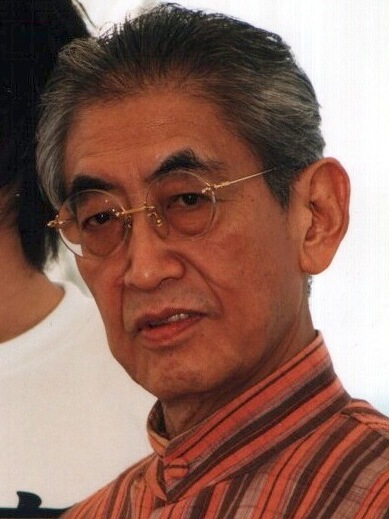

Early life and education
Ōshima was born in Kyoto on March 31, 1932. He studied in Kyoto, later attending Kyoto University where he pursued studies that shaped his critical outlook on politics and society. His background in Kyoto and exposure to postwar intellectual currents influenced the themes that recur throughout his work. For more on his early background see a biographical outline: Kyoto.
Career and artistic approach
Ōshima began his film career at a major studio before moving toward independent production and distribution networks. He favored confrontational narratives, elliptical editing and a willingness to mix documentary techniques with fiction. His cinema often interrogated power structures—state authority, social conformity and the constraints of sexuality—using provocative imagery and narrative rupture rather than comfortable storytelling.
Major films and controversies
Several of Ōshima's films sparked international debate and censorship battles. Highlights include:
- In the Realm of the Senses — a notoriously explicit film that tested obscenity laws and provoked broad discussion about art and censorship; see its controversial reception: In the Realm of the Senses.
- Merry Christmas, Mr. Lawrence — an internationally recognized drama that broadened his audience and involved cross-cultural themes and notable international performers.
- Death by Hanging and The Ceremony — works that examine criminal justice, memory and social ritual, and which display Ōshima’s interest in political allegory.
Themes, style and impact
Ōshima’s films are marked by formal risk-taking: abrupt cuts, non-linear narrative segments, and a refusal to sentimentalize characters. Politically engaged, he addressed topics such as imperial legacy, class conflict and personal freedom. His insistence on confronting taboo subjects influenced later generations of Japanese and international filmmakers and helped redefine the boundaries of cinematic expression.
Legacy and personal life
Married to actress Akiko Koyama from 1960 until his death, Ōshima combined an active public career with a private partnership that endured across decades. His later years included teaching, writing and public debate about film and society. He died in Fujisawa on January 15, 2013, from pneumonia at the age of 80. For general reference and further reading, consult an overview page: profile and institutional resources such as Kyoto University.
Ōshima remains a touchstone figure for studies of censorship, modernism in cinema and the political possibilities of film. His work continues to be screened, debated and re-evaluated in academic and festival contexts around the world.
Related articles
Author
AlegsaOnline.com Nagisa Ōshima: Japanese New Wave Filmmaker and Provocateur Leandro Alegsa
URL: https://en.alegsaonline.com/art/68104
Sources
- nytimes.com : "Nagisa Oshima, Iconoclastic Filmmaker, Dies at 80"