
Cleaner fish: mutualistic cleaners of reefs and freshwater habitats
Cleaner fish are species that remove parasites and dead tissue from other animals, forming mutualistic relationships important for fish health and ecosystem balance in marine and freshwater systems.
Overview
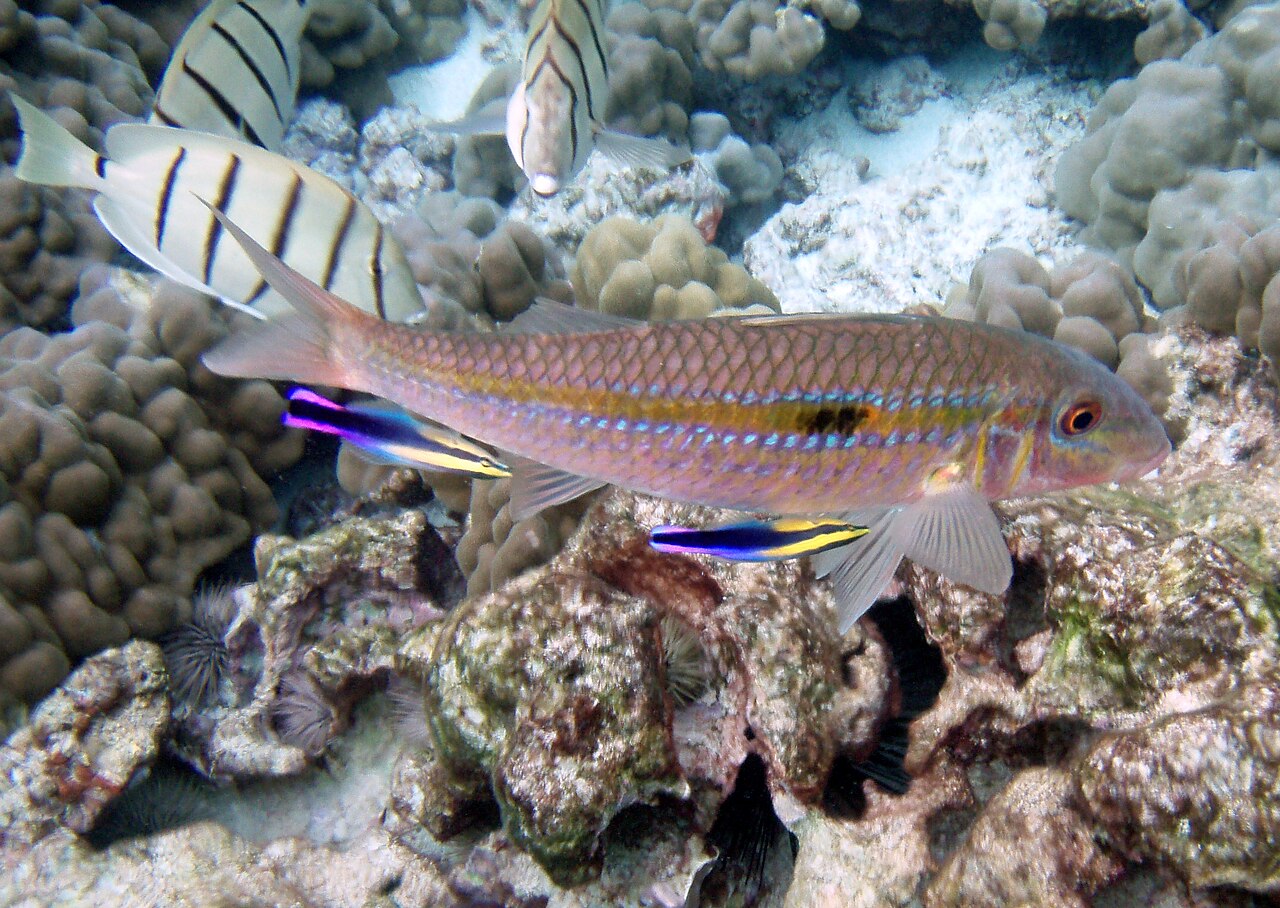
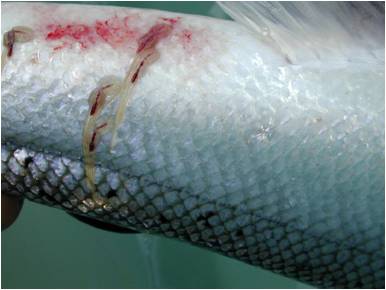
Cleaner fish are species that remove ectoparasites, dead skin and mucus from other animals. This interactive service is a classic example of mutualism, in which both cleaner and client obtain benefits: the client gains hygiene and reduced parasite load while the cleaner gains food. Cleaners operate in many aquatic environments and have been observed across a wide range of taxa. They may remove dead skin, scales, slime, and small animals attached to a host.
Image gallery
10 Images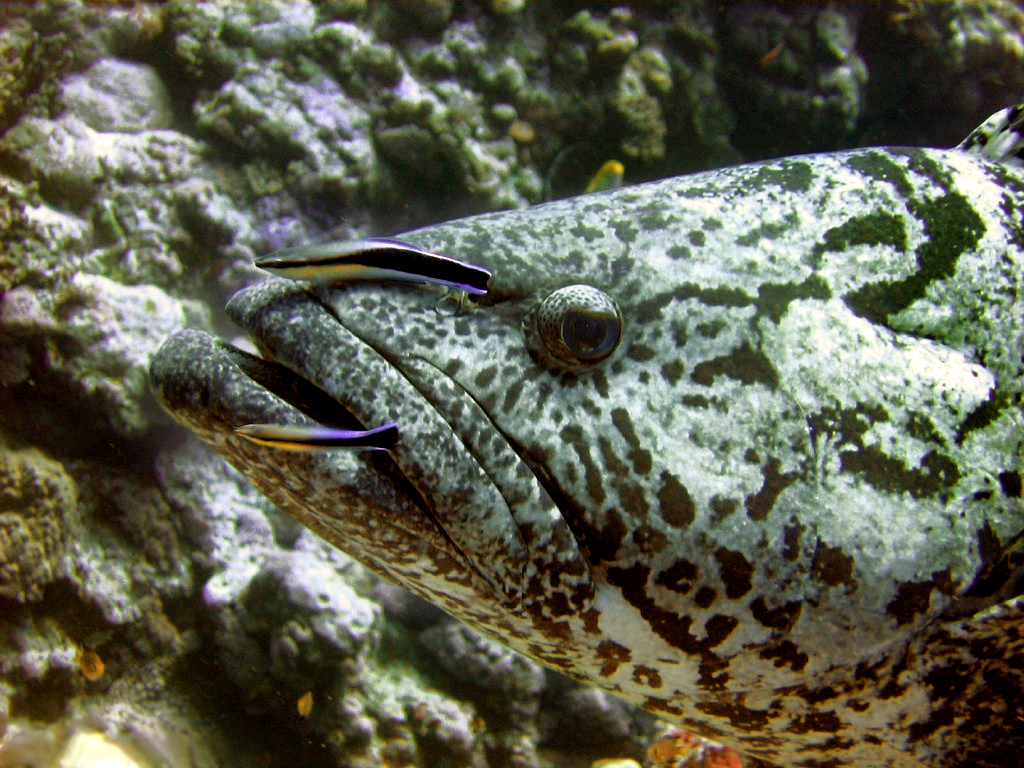





Typical species and where they work
Cleaning behavior appears in multiple fish groups and in other animals. Notable examples include:
- Wrasse species, especially in coral reefs, where specialized cleaner wrasses service numerous clients.
- Gobies, some of which set up small cleaning stations on reef flats.
- Cichlids and certain catfish that clean in freshwater systems.
- Non-fish cleaners such as cleaner shrimp, which perform similar roles in reef communities.
Behavior and communication
Cleaners and clients use visual signals and ritualized movements to initiate interactions. Clients often adopt a distinctive posture and may visit fixed "cleaning stations" where cleaners wait. In some systems cleaners provide additional tactile stimulation that appears to calm clients. Cleaning interactions vary from brief pecks to longer sessions focused on problematic areas like the gill region.
Evolutionary context and mimicry
Cleaning relationships have evolved independently in different lineages, shaped by the benefits of a reliable food source and the advantage to clients of parasite removal. Not all interactions are honest: a few species exploit the system. The sabre-toothed blenny is an example of a predatory mimic that imitates cleaner appearance to approach and bite fins (sabre-toothed blenny), illustrating the balance of cooperation and conflict in these networks.
Importance and human connections
Cleaner species contribute to reef resilience and fish welfare by lowering parasite loads and stress. They are of interest to aquarists and researchers studying social behaviour and ecosystem health. For more general information about cleaner organisms and their ecological roles see cleaner fish resources.
Questions and answers
Q: What are cleaner fish?
A: Cleaner fish are fish that remove dead skin and ectoparasites from other fish species.
Q: What is the ecological interaction that occurs between cleaner fish and other fish species?
A: The ecological interaction between cleaner fish and other fish species is mutualism, which benefits both parties.
Q: Name some fish species that exhibit cleaning behaviors.
A: Some fish species that exhibit cleaning behaviors are wrasse, cichlids, catfish, gobies, and cleaner shrimp.
Q: How do sabre-toothed blennies differ from cleaner fish?
A: Sabre-toothed blennies mimic cleaner fish, but they are predatory and bite off pieces of fin.
Q: What is ectoparasites?
A: Ectoparasites are external parasites, such as ticks or fleas that live on the outside of their host.
Q: Why is the interaction between cleaner fish and other fish species considered mutualism?
A: The interaction between cleaner fish and other fish species is considered mutualism because it benefits both parties.
Q: Is mutualism the only ecological interaction that occurs between fish species?
A: No, mutualism is not the only ecological interaction that occurs between fish species. There are other interactions like predation, competition, and symbiosis that occur as well.
Tags
Related articles
Author
AlegsaOnline.com Cleaner fish: mutualistic cleaners of reefs and freshwater habitats Leandro Alegsa
URL: https://en.alegsaonline.com/art/20876
Sources
- eprints.lse.ac.uk : Morality as natural history