
Muzio Clementi: Italian Composer, Pianist, and Early Piano Innovator
Muzio Clementi (1752–1832) was an Italian-born composer, virtuoso pianist, teacher, publisher and piano maker whose work helped establish the pianoforte and modern piano technique.
Muzio Clementi (1752–1832) was an influential Italian composer and musician of the Classical period. Born in Rome, Italy, he spent much of his professional life in Britain, where he built a reputation as a leading keyboard player, teacher and entrepreneur. Clementi is widely credited with adapting composition and technique to take full advantage of the new pianoforte, and for shaping approaches to keyboard playing that became standard in the 19th century.
Image gallery
5 Images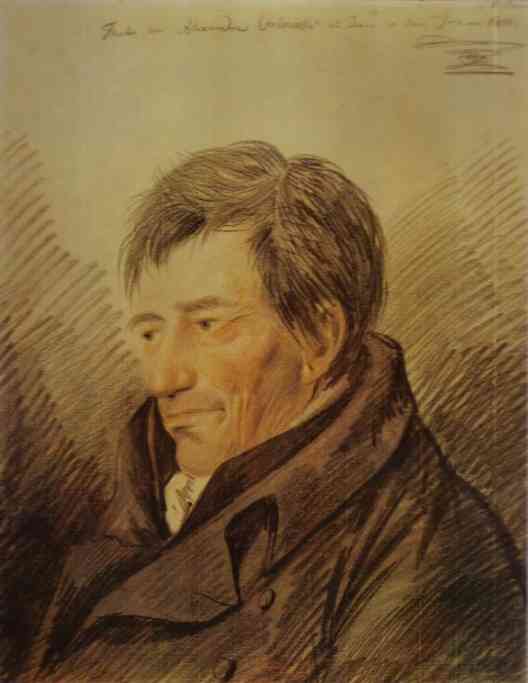



Overview and roles
Clementi combined several careers: a concert virtuoso, pedagogue, composer and businessman involved in music publishing and the manufacture of pianos. As a performer he was among the earliest celebrated virtuoso pianists who made public concerts centered on the pianoforte. As a composer he focused primarily on keyboard works—sonatas, smaller pieces for study and concert, and pedagogical collections designed to develop finger technique and musicality.
Musical characteristics and works
His music often emphasizes clarity of texture, precise fingerwork and the expressive possibilities of the piano’s dynamic range. Clementi wrote many sonatas and shorter keyboard pieces that balance classical forms with passages intended to train agility and control. One of his best-known contributions is a systematic set of studies intended for advancing students; these collections long served as core pedagogical material for pianists pursuing technical mastery.
Historical significance and development
Active at a time when the harpsichord was giving way to the pianoforte, Clementi played a key role in demonstrating the expressive potential of the new instrument. By composing works that exploited the pianoforte’s sustaining and dynamic possibilities and by participating in piano manufacture and publication, he helped accelerate the instrument’s acceptance in salons and concert halls. His activities bridged late 18th‑century classical idioms and the growing Romantic emphasis on virtuosity and tone color.
Uses, influence and legacy
- Pedagogy: his study pieces and sonatinas became staples for teaching technique and musical phrasing.
- Performance: his concert repertoire influenced pianists who followed and helped shape concert practice for the piano.
- Industry: involvement in piano making and publishing aided dissemination of repertoire and instruments.
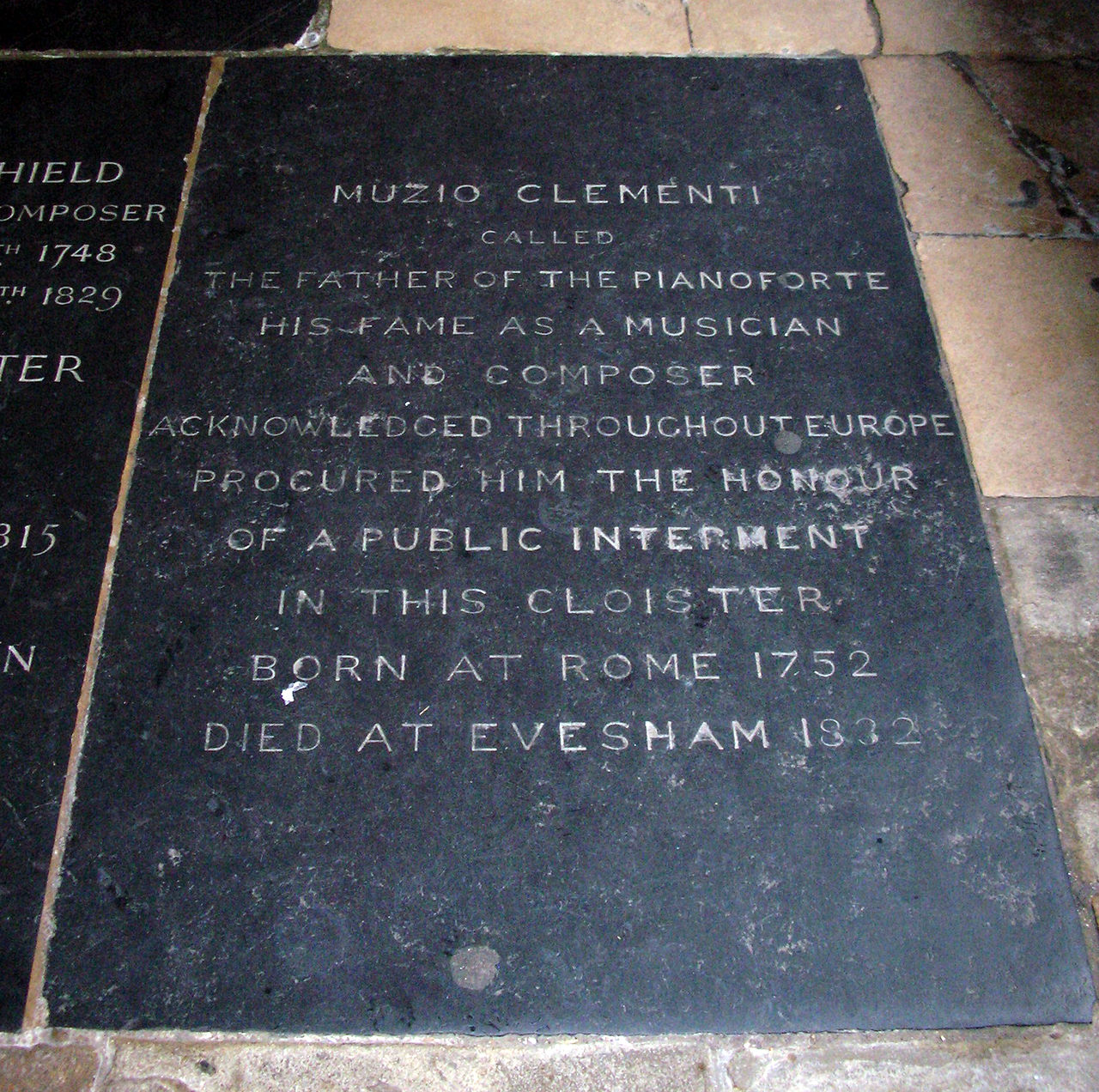
Although fashions in repertoire shifted during the 19th and 20th centuries, Clementi’s work saw revivals as historical and pedagogical interest grew. He is often called the "father of the pianoforte" for his combined impact as composer, performer and instrument-maker.
Notable distinctions
Clementi stands out for the breadth of his engagement with the musical culture of his time: he was not only a creative composer but also an active teacher and businessman who helped professionalize piano playing. His compositions remain of interest to performers, teachers and historians studying the evolution of keyboard technique and the early development of the modern piano.
Further reading | Context | Biographical sources | Place of birth | Performance history
Related articles
Author
AlegsaOnline.com Muzio Clementi: Italian Composer, Pianist, and Early Piano Innovator Leandro Alegsa
URL: https://en.alegsaonline.com/art/67867
Sources
- wolfmusic-publications.com : "Muzio Clementi Biography"
- muzioclementi.com : "Muzio Clementi. Opera Omnia -Muzio Clementi. A concise Chronology of his Life and Works"