
Mutagen: agents and processes that change genetic material
Overview of mutagens — physical, chemical, and biological agents that alter genetic material, how they act, common examples, detection methods such as the Ames test, and their uses and risks.
A mutagen is any physical agent, chemical compound, or biological process that changes an organism's genetic material. By increasing the rate at which changes occur in DNA or other hereditary molecules, mutagens raise the number of mutations appearing in cells and populations. Some mutagens damage chromosomes or nucleotide sequences directly; others interfere with DNA replication or repair, producing permanent changes that may be neutral, harmful, or occasionally beneficial.
Image gallery
2 Images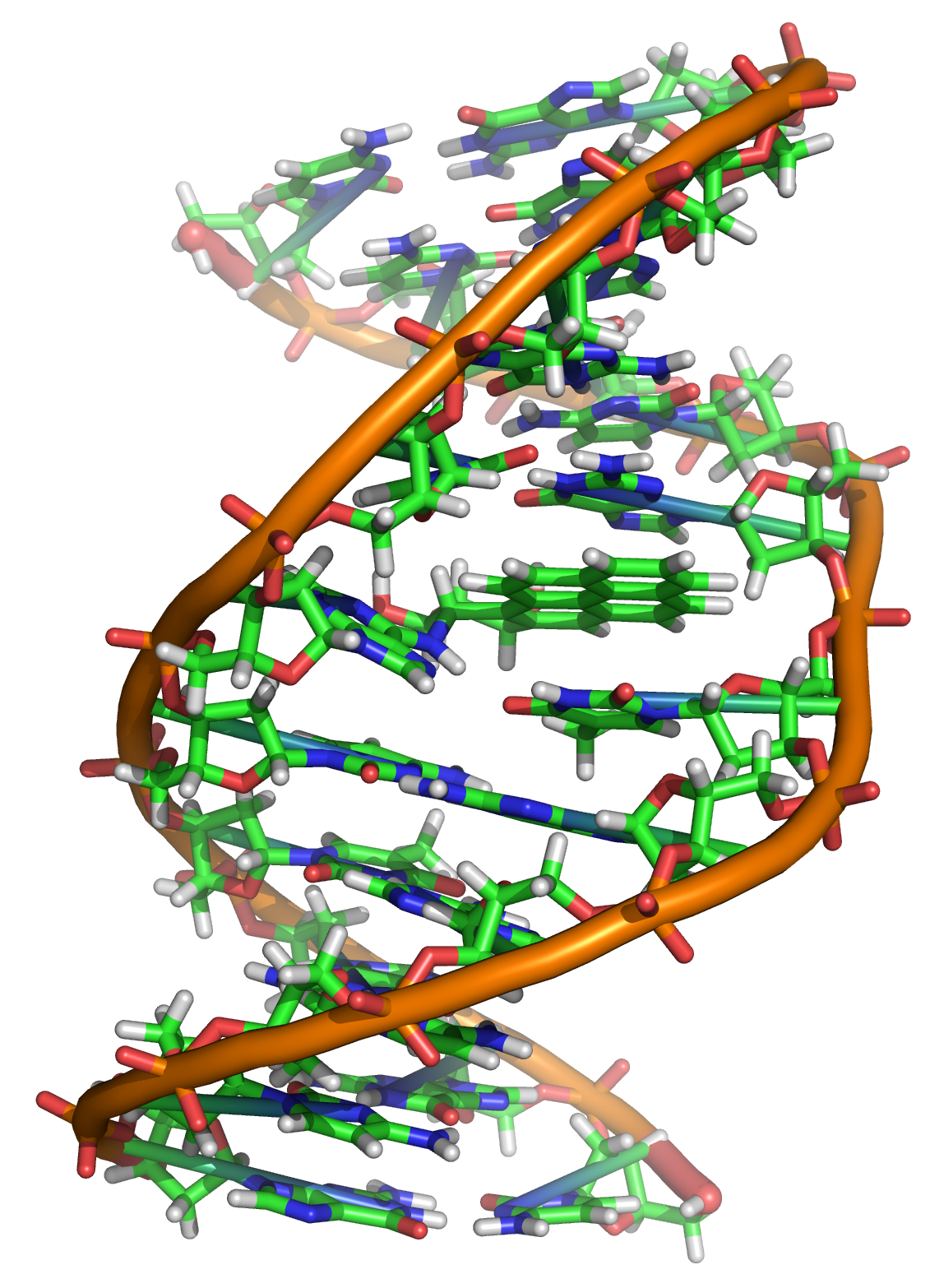

How mutagens act
Mutagens operate by several molecular mechanisms: breaking DNA strands, altering bases so they pair improperly, inserting or deleting nucleotides, or forming cross-links that prevent accurate copying. Cells have repair systems that correct many lesions, but when damage overwhelms repair or repairs incorrectly, mutations can become fixed. Because mutations can disrupt normal growth controls, many mutagens are also associated with an elevated risk of cancer, and are classified as carcinogens when sufficient evidence links exposure to cancer development.
Types and examples
- Physical mutagens: ionizing radiation (X-rays, gamma rays) and ultraviolet light, which cause strand breaks and thymine dimers.
- Chemical mutagens: reactive organic molecules such as benzene, halogenated compounds including some bromine compounds, alkylating agents and intercalators that alter bases or insert between them.
- Biological mutagens: certain viruses, transposons, and errors introduced by cellular enzymes.
Detection and use in research
Tests such as the Ames test are used to screen chemicals for mutagenic potential by observing induced mutation rates in bacteria. Mutagens are valuable tools in genetics and molecular biology for creating variation, mapping genes, and studying DNA repair. They are also used in plant and microbial breeding to generate new traits, though deliberate mutation requires careful containment and evaluation.
Risks, regulation and distinctions
Exposure to mutagens is regulated to limit health risks. Occupational safety, environmental limits, and labeling requirements aim to minimize accidental or chronic contact. It is important to distinguish mutagens from related terms: a mutagen causes changes in hereditary material; a teratogen affects development of embryos without necessarily changing DNA; and not all carcinogens act primarily by mutation. Awareness and testing help reduce unintended harm while permitting controlled scientific and medical uses.
Historical notes and notable facts
Recognition that radiation and certain chemicals could change heredity led to foundational studies in genetics and to safety practices in medicine and industry. Because their effects range from lethal to beneficial, mutagens occupy a central place in understanding evolution, disease, biotechnology, and public health.
For further reading on DNA damage, testing methods, and regulatory frameworks see sources indexed at genetic overviews, mutation databases (mutation resources), cancer risk summaries (cancer information), carcinogen lists (carcinogen lists), radiation guidance (radiation safety), halogenated compound data (halogen compounds), and industrial chemical profiles (benzene and similar chemicals).
Related articles
Author
AlegsaOnline.com Mutagen: agents and processes that change genetic material Leandro Alegsa
URL: https://en.alegsaonline.com/art/67818