
Murphy Brown (American sitcom)
American sitcom (1988–1998; revived 2018) created by Diane English, starring Candice Bergen as a tough television journalist; blended workplace comedy, social commentary and political satire.
Overview
Murphy Brown is an American situation comedy that originally aired from November 14, 1988, to May 18, 1998, with a short revival in 2018. Created by Diane English and led by Candice Bergen in the title role, the series follows the professional and personal life of a hard‑nosed television journalist and anchor who works on a fictional newsmagazine program. The show mixed workplace humor with topical social and political commentary and regularly engaged national conversations about gender, family and the press.
Image gallery
4 Images


Premise and format
The program was presented as a half‑hour sitcom that alternated newsroom scenes with moments from Murphy’s private life. It combined fast, witty dialogue and ensemble interactions typical of workplace comedies with episodes that addressed contemporary issues. The series framed the newsroom as a workplace family whose members swapped comic barbs while confronting ethical and professional dilemmas.
Principal characters and cast
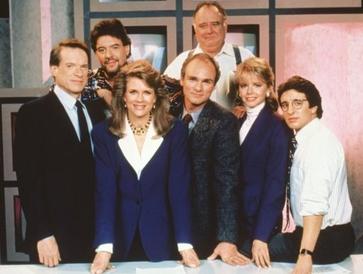
Candice Bergen starred as Murphy Brown. The ensemble supporting cast included several recurring colleagues who helped define the show’s tone: Charles Kimbrough as a seasoned co‑anchor, Faith Ford as a perky on‑air reporter, Joe Regalbuto as a producer, and Grant Shaud as an often exasperated executive producer, among others. These characters provided both comic contrast and emotional grounding for Murphy’s storylines.
Themes and tone
Murphy Brown blended satire of television news with character‑driven episodes about relationships, career ambition and parenting. Notable recurrent themes included single parenting, workplace rivalry, journalistic ethics and the challenges faced by women in high‑pressure professions. The series shifted comfortably between broad comedic set pieces and quieter, more reflective scenes.
Notable moments and cultural impact
- The show became widely discussed in the early 1990s when a public figure criticized its depiction of single motherhood, sparking a national debate about family values and media influence.
- Murphy Brown was recognized for its sharp writing and performances and is credited with influencing later workplace comedies that foreground ensemble dynamics and topical subjects.
Awards and reception
During its original run the series earned critical acclaim and industry recognition. The program and its cast won multiple awards, including honors that recognized acting and writing. Critics praised the lead performance and the show’s willingness to combine comedy with engaged commentary on social and political topics.
Revival and legacy
Decades after the original finale the series was briefly revived in 2018 for a season that reunited much of the principal cast and updated the show’s focus to address contemporary politics, media change and new social debates. Murphy Brown remains notable for presenting a strong, professional female lead in a newsroom setting and for its role in television history as a series that mixed satire with civic conversation.
Related articles
Author
AlegsaOnline.com Murphy Brown (American sitcom) Leandro Alegsa
URL: https://en.alegsaonline.com/art/67649