
Mulberry, Florida: a central-Florida community shaped by phosphate and agriculture
Mulberry, a small city in Polk County, central Florida, is known for its phosphate industry, agricultural surroundings, and role within the Lakeland–Winter Haven region of the United States.
Overview
Mulberry is a small city in central Florida within the United States. It sits in Polk County and is commonly associated with the Lakeland–Winter Haven metropolitan area. The community combines residential neighborhoods, commercial services, and industrial operations that serve the surrounding rural region.
Image gallery
5 Images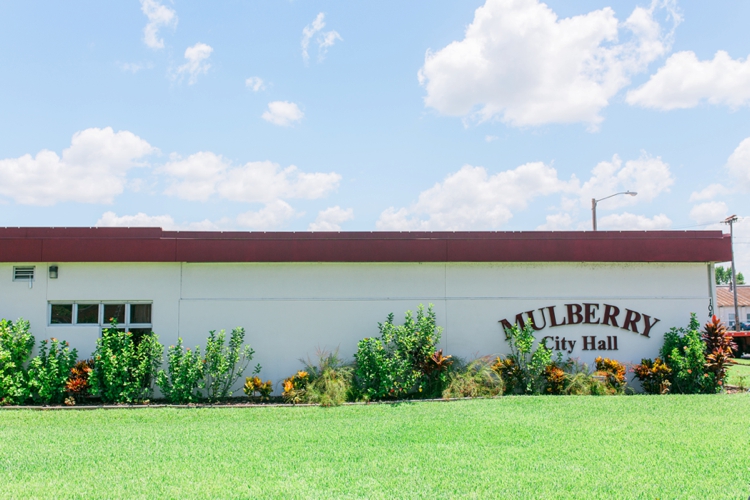


Characteristics and layout
The city occupies a compact footprint typical of many inland Florida towns. Land use includes local shops and schools, housing, and sizeable industrial sites tied to mineral processing. Surrounding areas feature farms, citrus groves in historical context, and undeveloped lands that transition into other Polk County communities.
History and development
Mulberry's growth is closely linked to transportation and natural resources. Like many central-Florida settlements, it expanded after rail lines reached the area and after the discovery and commercial development of phosphate deposits nearby. Those developments brought jobs and prompted the construction of civic institutions and services over decades.
Economy and importance
The local economy has a notable industrial component centered on phosphate mining and processing, complemented by agriculture and local retail. Companies involved in the phosphate supply chain are among the larger employers, and the city provides logistical links between mine sites, processing facilities, and regional markets.
Geography, climate and environment
Mulberry experiences a humid subtropical climate with warm, humid summers and generally mild winters. Environmental topics commonly associated with the area include land-use change and the management of mining-related landscapes and watersheds; these are often subjects of local planning and regulation.
Notable facts and community life
Key points about Mulberry include:
- Its role as a center for phosphate-related industry within Polk County.
- Connections to regional rail and road networks that facilitate commerce.
- A small-city character with community institutions, local events, and services serving nearby rural residents.
For additional context on municipal services, local history, or economic data, consult regional sources and official city materials accessible via local government or planning agencies.
Related articles
Author
AlegsaOnline.com Mulberry, Florida: a central-Florida community shaped by phosphate and agriculture Leandro Alegsa
URL: https://en.alegsaonline.com/art/67413